










Contents
- 1 1. What Is Ramadan?
- 2 2. The core concepts of Ramadan
- 2.1 2.1 The meaning of Fasting During Ramadan
- 2.2 2.2. Suhoor and Iftar: How Muslims Begin and End Each Fast in Ramadan
- 2.3 2.3. Spiritual and Religious Practices
- 2.4 2.4. Charity and Good Deeds During Ramadan
- 2.5 2.5. Laylat al-Qadr: The Night of Power
- 2.6 2.6. Eid al-Fitr: Celebrating the End of Ramadan
- 3 3. Conclude
1. What Is Ramadan?
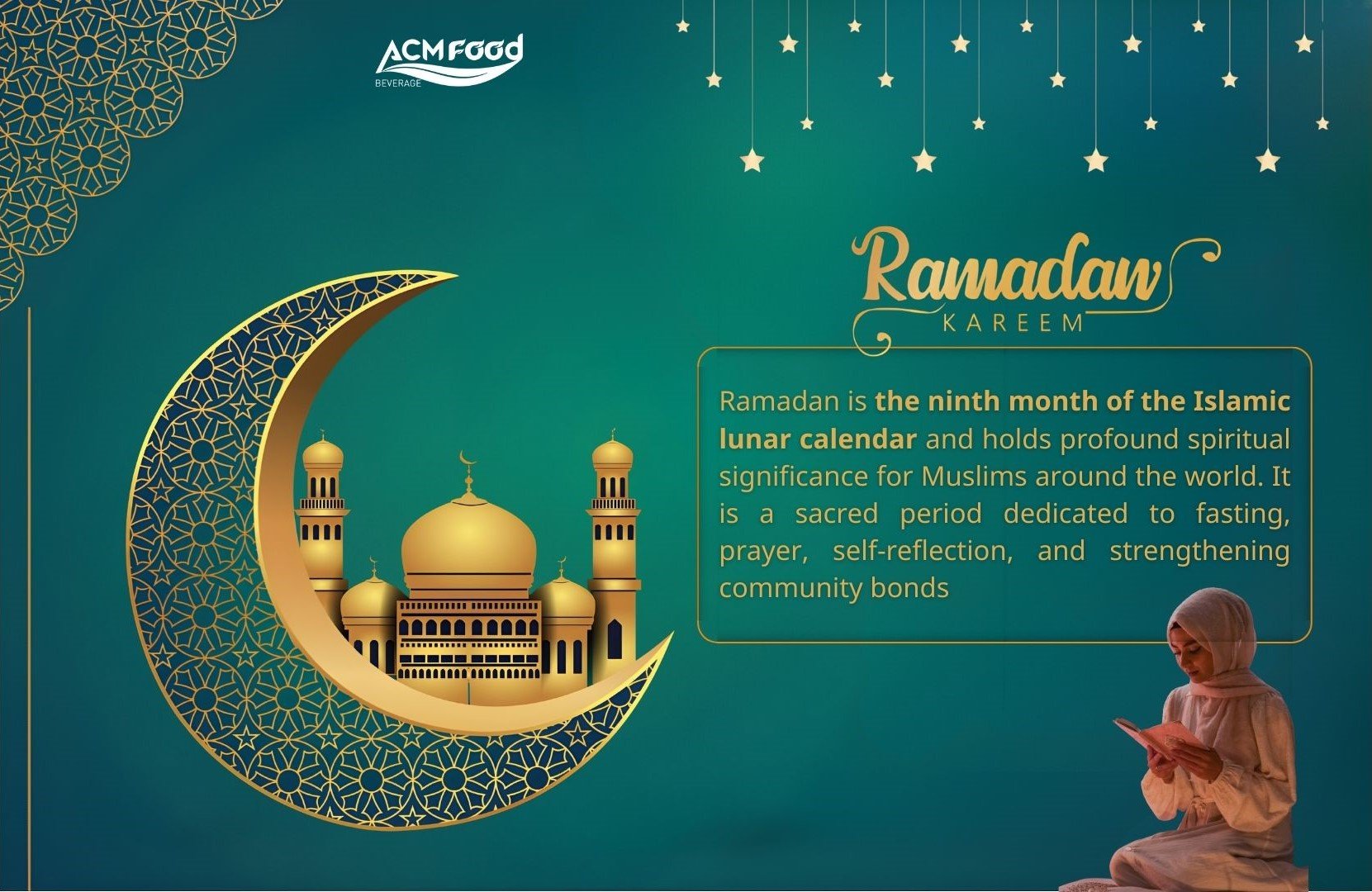
Ramadan is the ninth month of the Islamic lunar calendar and holds profound spiritual significance for Muslims around the world. It is a sacred period dedicated to fasting, prayer, self-reflection, and strengthening community bonds. Ramadan commemorates the revelation of the first verses of the Quran to the Prophet Muhammad (PBUH), making it one of the holiest months in Islam.
2. The core concepts of Ramadan
2.1 The meaning of Fasting During Ramadan
Fasting during Ramadan, known as Sawm, is one of the Five Pillars of Islam. From dawn (Fajr) until sunset (Maghrib), Muslims abstain from food, drink, smoking, and immoral behavior.
Muslims fast during Ramadan to give thanks to God and renew their spiritual lives. Abstaining from physical desires helps believers cultivate mindfulness, mend their religious conscience, and bring God back to the center of their lives. Ramadan is also a time to nurture devotion, patience, kindness, and forgiveness, leading people towards inner purity.
2.2. Suhoor and Iftar: How Muslims Begin and End Each Fast in Ramadan
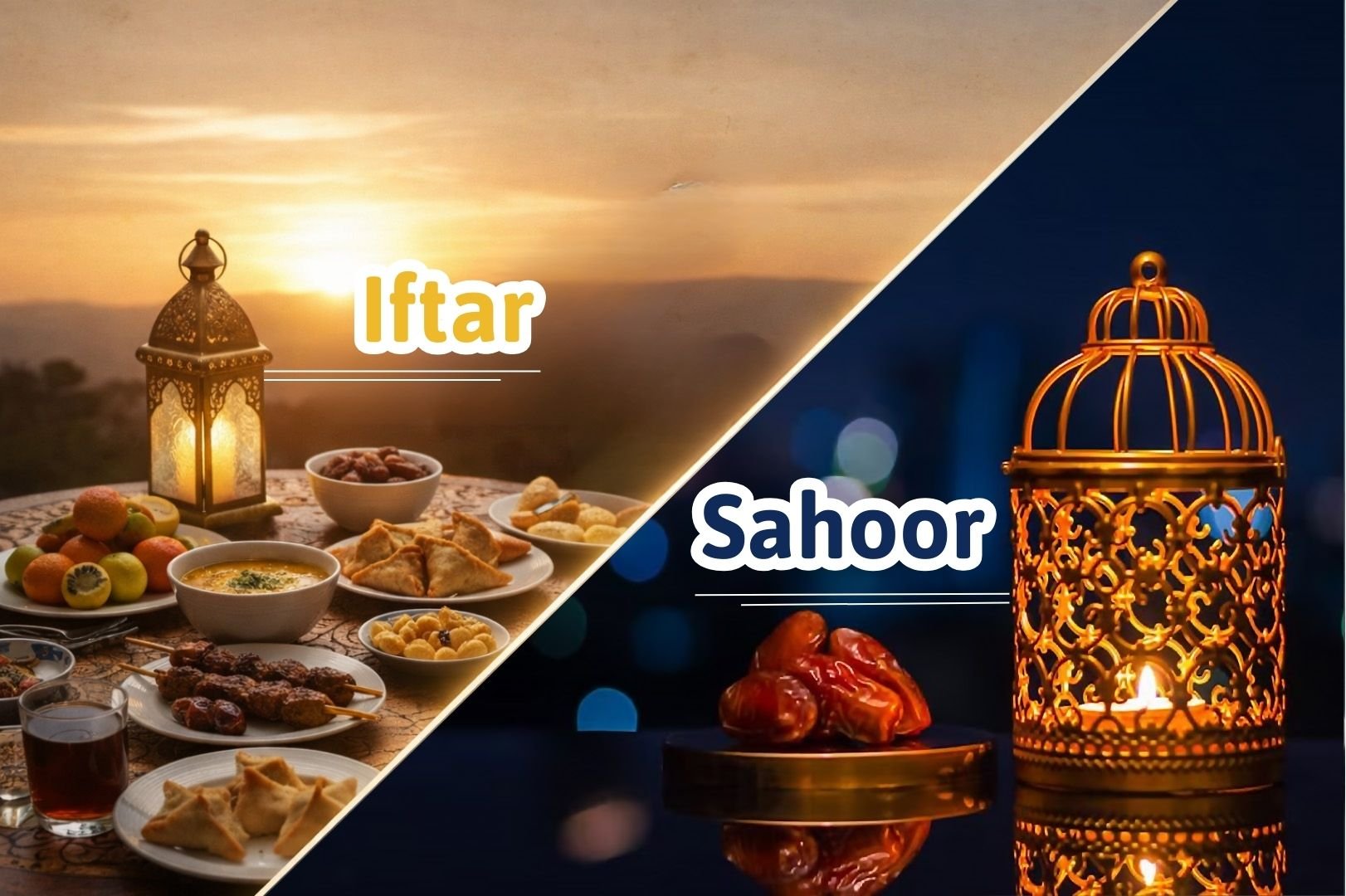
Each day begins with Suhoor, a pre-dawn meal that provides nourishment for the fasting hours ahead. At sunset, the fast is broken with Iftar, traditionally starting with dates and water, followed by a complete meal shared with family or community.
2.3. Spiritual and Religious Practices
Ramadan is a time of heightened spiritual awareness and devotion. Muslims increase their focus on worship, repentance, and self-discipline.
Key religious practices include:
- Performing Taraweeh, special nightly prayers held in mosques
- Reading and reciting the Quran, with many aiming to complete it during the month
- Engaging in personal reflection, gratitude, and mindfulness
These practices help strengthen faith and deepen one’s relationship with Allah.
2.4. Charity and Good Deeds During Ramadan
Charity is a central theme of this sacred month. Muslims are encouraged to be generous and compassionate, especially toward those in need.
Common charitable acts include:
- Zakat: mandatory almsgiving
- Sadaqah: voluntary charity and acts of kindness
- Supporting community initiatives and helping the less fortunate
Forgiveness, patience, and empathy are also highly valued during this holy month.
2.5. Laylat al-Qadr: The Night of Power
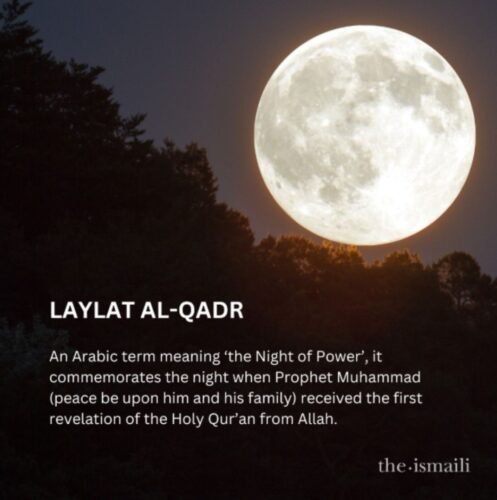
Laylat al-Qadr, or the Night of Power, is the most sacred night of Ramadan. It occurs during the last ten nights, though its exact date is unknown.
This night marks the first revelation of the Quran, and worship performed on Laylat al-Qadr is believed to be more rewarding than a thousand months. Muslims devote this night to prayer, supplication, and remembrance.
2.6. Eid al-Fitr: Celebrating the End of Ramadan

The holiest month in Islam concludes with Eid al-Fitr, the Festival of Breaking the Fast. This joyful occasion begins with a special communal prayer, followed by celebrations with family and friends.
Before Eid prayer, Muslims give Zakat al-Fitr, a charitable donation that ensures everyone, including the less fortunate, can partake in the celebration.
3. Conclude
In conclusion, Ramadan is far more than a month of fasting. It is a sacred journey of spiritual discipline, gratitude, and renewal, where Muslims restrain physical desires to strengthen faith, purify the soul, and restore God as the center of life through prayer, charity, and compassion.