


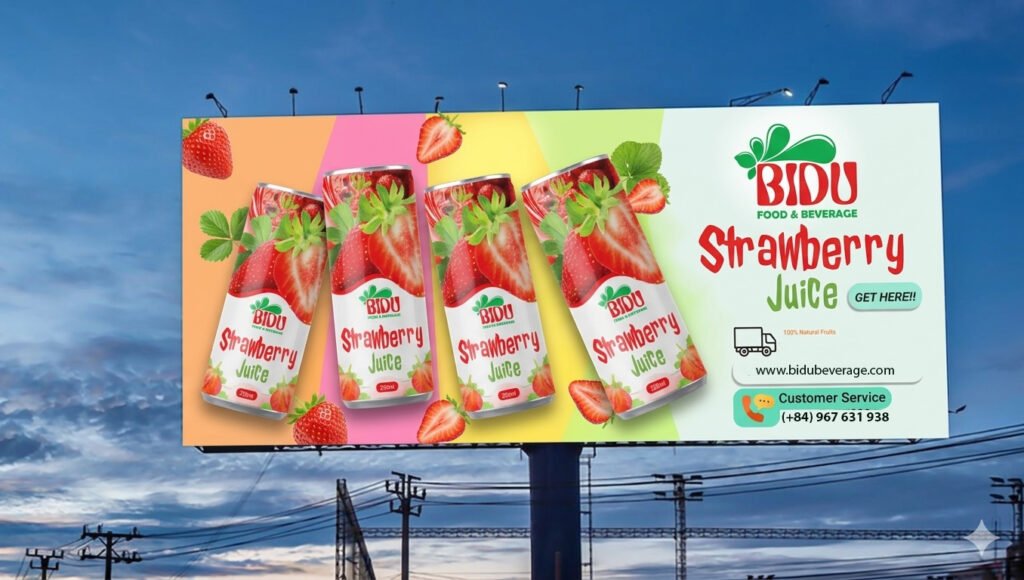
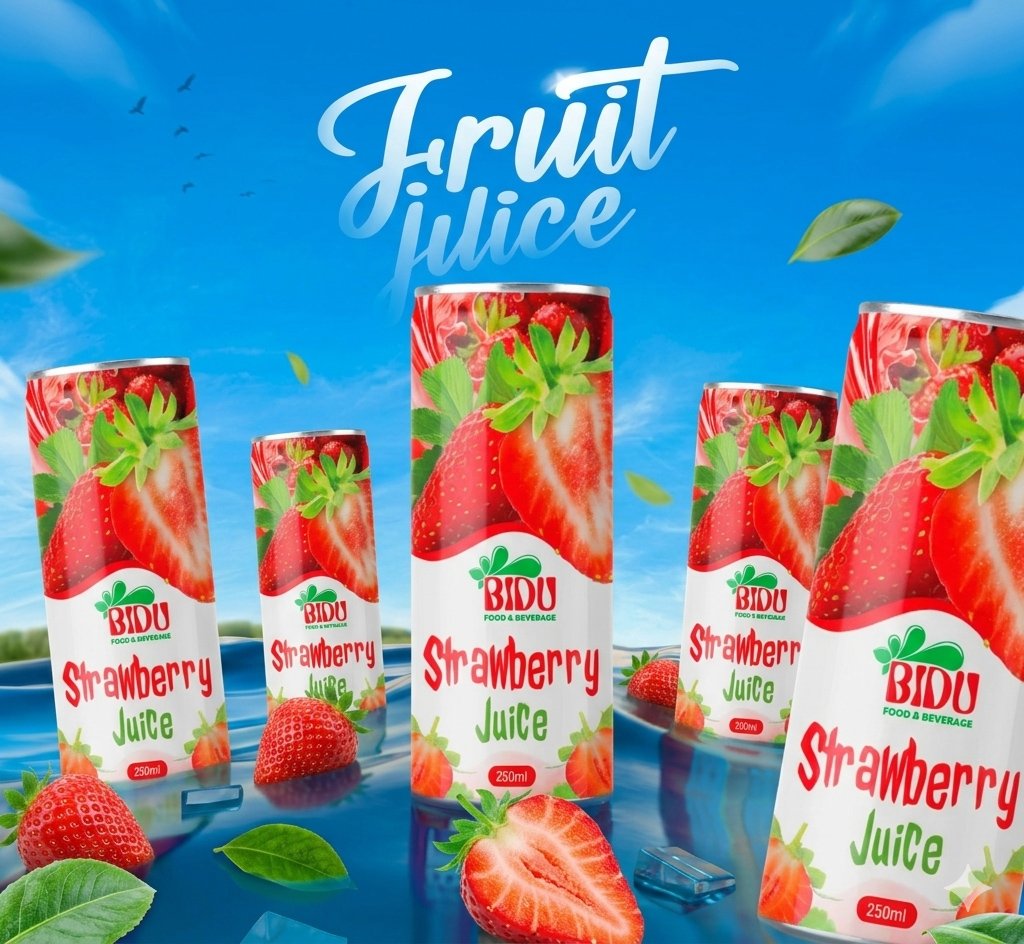
Clean label innovation is reshaping the global functional beverage landscape. Consumers now demand transparency in every sip, rejecting artificial additives for natural simplicity. This shift has created a booming market for products that deliver health benefits without chemical complexity. BIDU Strawberry Juice stands at the forefront of this movement, offering a pure fruit experience that meets modern expectations.
The 250ml format combines convenience with integrity, appealing to both retail and food service channels. As the clean label trend accelerates, manufacturers must adapt their strategies to capture this growing demand. The product exemplifies how OEM partners can leverage simplicity to build trust and drive growth.
Contents
- 1 The Clean Label Revolution in Functional Beverages
- 2 How BIDU Strawberry Juice Embodies Clean Label Principles
- 3 Market Impact and Consumer Behavior Shifts
- 4 Business Strategies for B2B Success in Clean Label
- 5 Expert Perspectives on Clean Label and Functional Beverages
- 6 Future Outlook for Clean Label in the Beverage Industry
- 7 Frequently Asked Questions
The Clean Label Revolution in Functional Beverages
Clean label is a transformative force in the global beverage industry. Consumers increasingly demand transparency in ingredients and processing methods. This shift compels manufacturers to rethink formulations for the modern palate. The movement prioritizes natural components over artificial additives. It also emphasizes minimal processing for maximum nutritional integrity. BIDU Strawberry Juice exemplifies this paradigm with its straightforward composition.
Defining Clean Label Standards
Clean label lacks a universal regulatory definition but implies simplicity. The core principle involves recognizable ingredients without synthetic preservatives or colorants. For fruit juices, this means no added sugars or artificial flavors. The standard extends to packaging that communicates purity effectively. Brands adopting this approach gain trust among health-conscious demographics. The premium juice segment has seen significant growth due to these values.
Market data from 2023 indicates a 15 percent annual growth rate for clean label beverages. This trend is especially pronounced in the Asia-Pacific region. Manufacturers must balance shelf stability with natural formulation challenges. The result is a competitive landscape where authenticity drives consumer preference. BIDU Strawberry Juice aligns with these expectations through its ingredient list. The product contains only natural strawberry juice and water.
How BIDU Strawberry Juice Embodies Clean Label Principles
BIDU Strawberry Juice serves as a case study for clean label execution in functional drinks. The product features a simple recipe with no artificial additives. This approach directly addresses consumer skepticism toward processed beverages. The 250ml format offers convenience without compromising on purity. Manufacturers seeking OEM partnerships can replicate this model for private label success. The product’s positioning targets both retail and food service channels.
Strawberry as a base ingredient provides natural sweetness and vibrant color. This eliminates the need for synthetic sweeteners or dyes common in conventional juices. The production process focuses on preserving the fruit’s inherent nutritional value. Pasteurization ensures safety while maintaining flavor integrity. The clean label strategy also supports export potential to strict regulatory markets. The European Union and North America demand high transparency in food labeling.
For distributors, the product offers a differentiation opportunity in crowded juice aisles. The clean label narrative resonates with millennials and Gen Z consumers. These groups prioritize wellness and environmental responsibility in purchasing decisions. The product’s OEM model allows brands to customize packaging and branding. This flexibility is crucial for entering diverse markets with minimal investment. BIDU Strawberry Juice demonstrates how clean label can drive functional beverage innovation.
Market Impact and Consumer Behavior Shifts
The global clean label beverage market was valued at over $18 billion in 2023. Projections suggest continued expansion at a compound annual growth rate of 12 percent. This growth is fueled by rising awareness of diet-related health issues. Consumers are increasingly reading ingredient lists and avoiding unrecognizable chemicals. The functional beverage segment benefits directly from this scrutiny. Products like BIDU Strawberry Juice occupy a sweet spot between taste and health.
Retailers are responding by dedicating more shelf space to clean label options. Major chains in the US and Europe have introduced dedicated natural sections. This trend creates opportunities for OEM manufacturers to supply private label products. The strawberry juice category specifically has seen a 20 percent volume increase. This is driven by year-round availability and familiar flavor profiles. The product’s 250ml size caters to on-the-go consumption habits.
Consumer behavior studies reveal that 73 percent of shoppers pay more for clean label products. This willingness to pay a premium supports higher margins for brands. The challenge lies in educating consumers about the value of natural ingredients. Effective marketing must highlight the absence of artificial components. The clean label trend also intersects with sustainability concerns. Eco-friendly packaging further enhances brand perception in this segment.
250ml BIDU strawberry juice addresses these market dynamics with its straightforward approach. The product avoids the complexity of multi-ingredient functional drinks. Instead, it focuses on delivering a pure fruit experience with health benefits. This simplicity appeals to consumers overwhelmed by choice in the beverage aisle. The clean label positioning also simplifies regulatory compliance for importers. Markets like the Middle East and Asia show increasing demand for such products.
Business Strategies for B2B Success in Clean Label
OEM manufacturers must adapt their capabilities to meet clean label demands. This requires investment in cold-press technology and high-quality sourcing. The ability to produce without preservatives while ensuring shelf life is critical. Fresh fruit juice production expertise becomes a competitive advantage. Partners must also offer flexible packaging options that align with clean label aesthetics.
Private label programs benefit from the clean label trend by offering retailers control. Distributors can launch exclusive brands that emphasize natural ingredients. The MOQ flexibility is essential for testing new markets with limited risk. BIDU Beverage’s production capabilities support both small and large volume runs. This agility allows clients to respond quickly to changing consumer preferences. The clean label segment rewards speed to market with first-mover advantages.
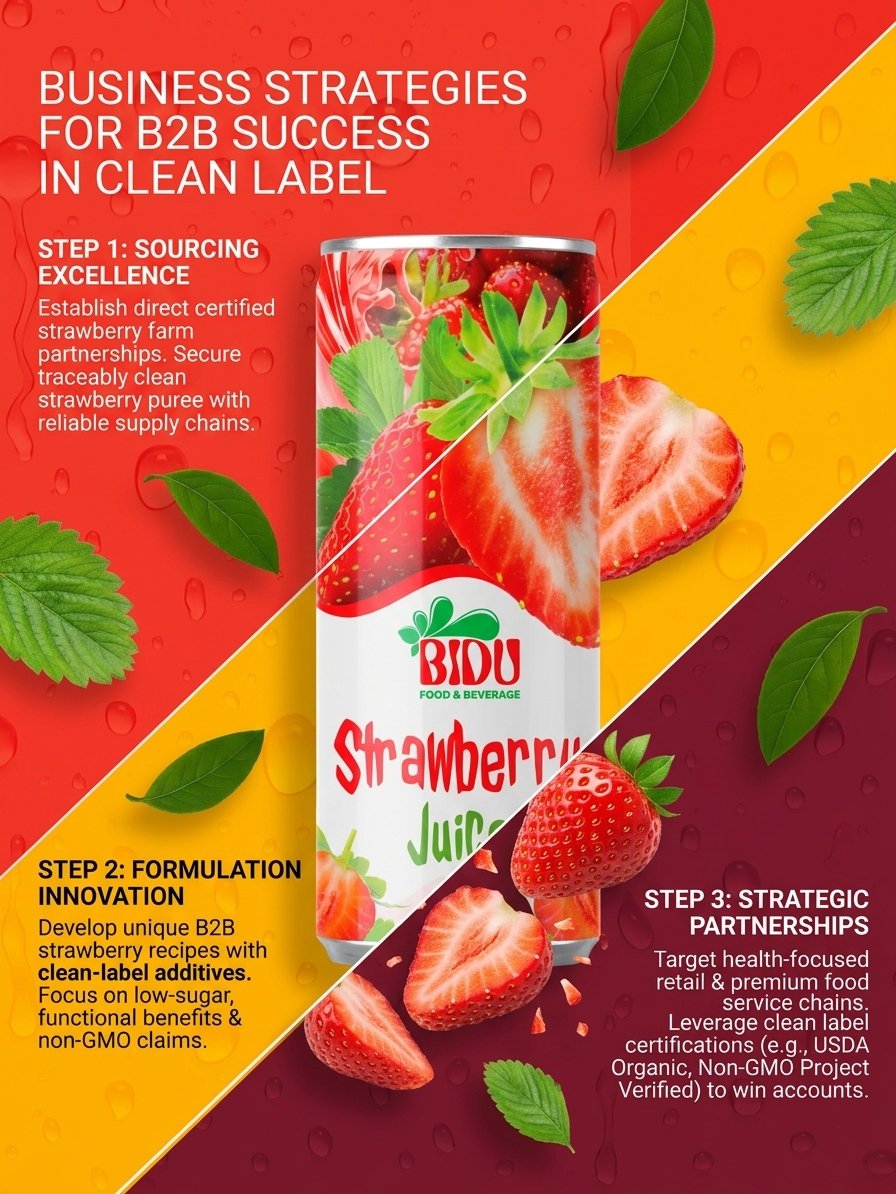
Export opportunities are particularly strong in regions with growing health awareness. The US market demands clean label certifications like Non-GMO Project verification. EU regulations require detailed ingredient traceability and allergen management. Products like BIDU Strawberry Juice already meet many of these standards. Manufacturers must maintain rigorous quality control to sustain export relationships. The ability to provide documentation on sourcing and processing is key.
For retailers, stocking clean label products can drive foot traffic and basket size. These products often command higher price points, improving store profitability. The trend also supports cross-category promotion with health and wellness items. A strategic approach involves partnering with reliable OEM suppliers for consistent quality. The clean label movement is not a passing fad but a structural market shift. Companies investing now will capture long-term consumer loyalty.
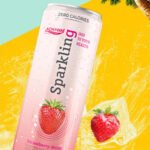
For distributors evaluating new product lines, assessing a partner’s clean label capability is crucial. A manufacturing partner that offers formulation flexibility and transparent sourcing provides a strategic edge. This is particularly important in the functional beverage space where claims must be substantiated. The ability to scale production while maintaining clean label integrity is a key differentiator. Sparkling water drinks represent another category where clean label trends are driving innovation.
Expert Perspectives on Clean Label and Functional Beverages
Industry analysts emphasize that clean label is no longer optional for premium positioning. Dr. James Miller, a food science professor at Cornell University, notes that consumers are more educated than ever. They use smartphone apps to scan barcodes and evaluate ingredient lists. This behavior forces manufacturers to prioritize simplicity in formulation. The functional beverage sector must balance efficacy with transparency to avoid consumer backlash.
Retail buyers echo this sentiment, reporting that clean label products have lower return rates. The clarity of ingredient sourcing builds trust that translates into repeat purchases. For OEM suppliers, this means investing in supplier audits and certification programs. The cost of non-compliance can be significant in terms of brand damage. Experts recommend starting with a core clean label line before expanding into complex functional claims.
The intersection of clean label and functional benefits offers a powerful market proposition. Products that deliver health benefits with recognizable ingredients have higher success rates. BIDU Strawberry Juice fits this model by providing natural antioxidants without artificial support. The strawberry fruit itself contains vitamin C and ellagic acid, both valued for health. This inherent functionality eliminates the need for added synthetic nutrients.
Market researchers predict that clean label will become a baseline expectation by 2028. Brands that fail to comply will face increasing shelf space rejection. The opportunity lies in premiumization through storytelling about ingredient origins. Manufacturers that can trace their fruit sources to specific farms gain credibility. This level of transparency is achievable through blockchain and digital traceability tools.
Future Outlook for Clean Label in the Beverage Industry
The next five years will see clean label principles extend to packaging and logistics. Biodegradable materials and carbon-neutral production will become standard. The functional beverage segment will integrate clean label with personalized nutrition. Products tailored to individual health needs using natural ingredients will emerge. BIDU Strawberry Juice’s model provides a scalable foundation for this evolution.
Technological advancements in preservation will reduce reliance on additives. High-pressure processing and aseptic packaging extend shelf life naturally. These methods maintain the clean label promise while enabling global distribution. The cost of such technology is decreasing, making it accessible to more manufacturers. This democratization will accelerate clean label adoption across price tiers.
Regulatory frameworks are also evolving to define clean label more precisely. The FDA and EFSA are considering guidelines for natural claims. Early compliance will position companies favorably in upcoming regulatory landscapes. Export-oriented producers should monitor these developments closely. The ability to adapt formulations quickly will be a competitive advantage.
The clean label movement represents a fundamental shift in how beverages are produced and marketed. Companies that embrace this philosophy will build stronger consumer relationships. The functional beverage category, in particular, stands to benefit from this alignment. BIDU Strawberry Juice illustrates how a simple, natural product can capture significant market share. The future belongs to brands that prioritize purity without sacrificing taste or convenience.
Frequently Asked Questions
What defines a clean label beverage?
A clean label beverage uses simple, recognizable ingredients without artificial additives. It avoids synthetic preservatives, colors, and flavors. The focus is on transparency and minimal processing. This standard varies by market but emphasizes natural components.
How does clean label impact functional beverage growth?
Clean label enhances consumer trust, driving premium pricing and repeat purchases. Functional beverages with clean labels benefit from health-conscious trends. This alignment supports category growth rates of 12-15 percent annually. Manufacturers must balance efficacy with ingredient simplicity.
Can clean label products achieve adequate shelf life?
Yes, through technologies like high-pressure processing and aseptic packaging. These methods preserve nutrition without chemical preservatives. Proper cold chain management also extends shelf life. Many clean label juices achieve 12-month stability.
What are the key challenges for OEM manufacturers in clean label?
Sourcing consistent quality raw materials is a primary challenge. Maintaining flavor and color without artificial additives requires expertise. Regulatory compliance across different markets adds complexity. MOQ flexibility is needed to test new clean label products.
How can distributors capitalize on the clean label trend?
Distributors should partner with OEM suppliers offering transparent sourcing. Private label programs allow retailers to control clean label positioning. Focus on markets with high health awareness like the US and EU. Educate retail buyers on the premium potential of clean label lines.