


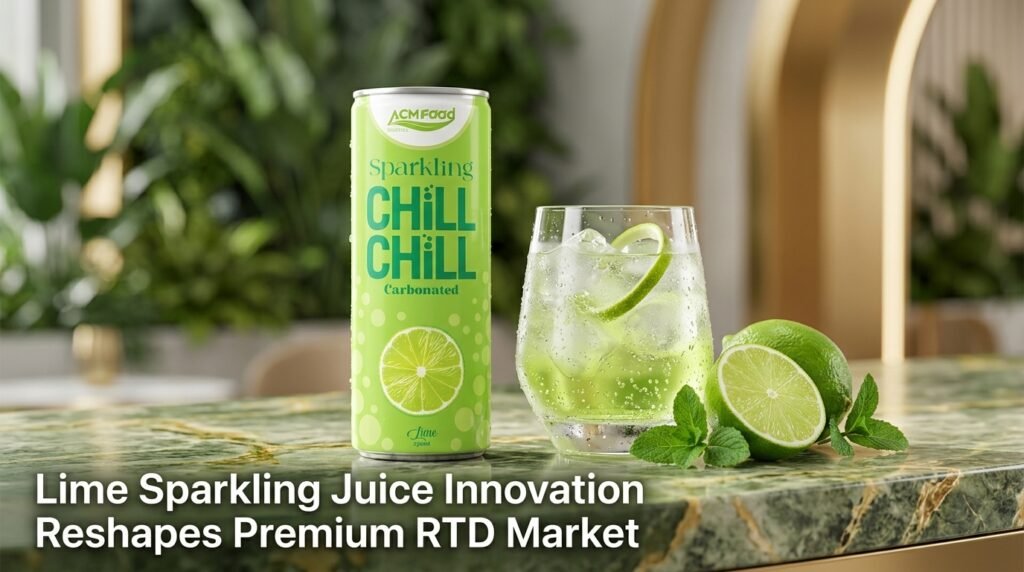
The global ready-to-drink beverage market is undergoing a profound transformation as carbonated juice innovations attract health-conscious consumers seeking refreshing alternatives to traditional sodas. Carbonation technology has become a cornerstone for premium hydration, elevating natural fruit flavors into sophisticated, bubbly experiences that command higher margins.
This shift toward functional, sparkling options represents a critical growth vector for beverage brands and manufacturers. The launch of products like Lime Sparkling Juice Export: Refreshing 250ml Alu-can for Global Markets exemplifies how lime-based concoctions are capturing market share across Asia, Europe, and the Middle East. Understanding the interplay between carbonation technology, natural ingredients, and scalable OEM production is now essential for industry stakeholders.
Contents
- 1 Carbonation Technology: The Engine of Premium Hydration Growth
- 2 Innovation in Manufacturing: The Role of OEM Partnerships
- 3 Market Trends: Global Expansion of Sparkling Juice
- 4 The Competitive Edge of Lime Sparkling Juice
- 5 Frequently Asked Questions
- 5.1 How does carbonation technology impact the shelf life of sparkling juice?
- 5.2 What markets show the highest demand for lime sparkling juice?
- 5.3 Can OEM manufacturers produce a private label lime sparkling juice with a unique recipe?
- 5.4 What sustainability benefits do aluminum cans offer for export?
- 5.5 How does fluctuating lime pricing affect the cost of sparkling juice production?
Carbonation Technology: The Engine of Premium Hydration Growth
The carbonated juice segment has expanded at a compound annual growth rate of 6.8% over the past five years, driven by consumer preference for bubbles without artificial sweeteners. lime sparkling juice products benefit from this trend, offering a crisp, zero-compromise experience that blends fruit acidity with effervescence. Manufacturers invest in precise carbonation systems to maintain consistent fizz levels, a key differentiator in the premium hydration space.
Consumer Demand for Functional Sparkling Beverages
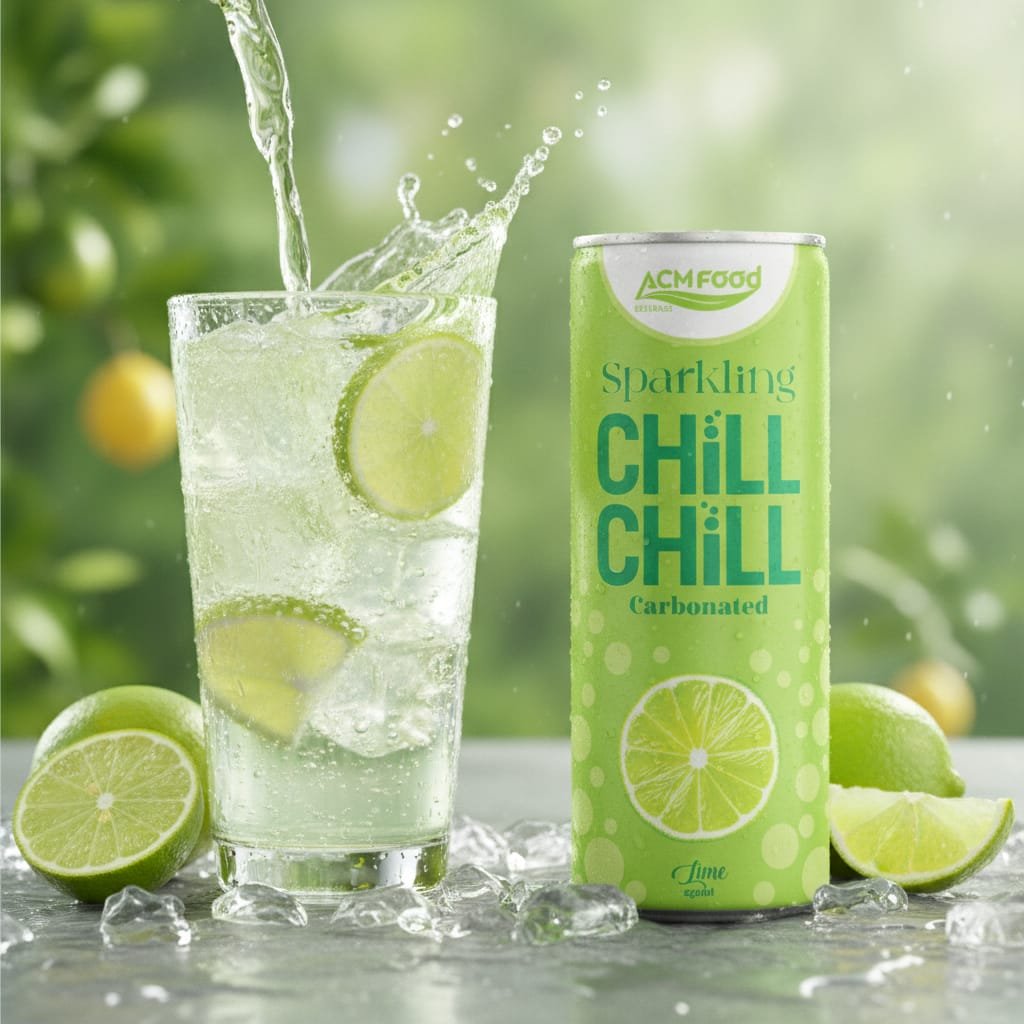
Modern consumers actively seek out beverages that provide both refreshment and added value. Lime sparkling juice leverages natural vitamin C and antioxidants from real lime juice, positioning it as a functional alternative to sugary sodas. Retailers report that SKUs highlighting natural carbonation and recognizable fruit ingredients see up to 40% faster turnover compared to generic options.
This demand creates opportunities for brands to collaborate with OEM partners who can deliver consistent quality. The ability to customize bubble intensity and sweetness levels allows importers to tailor products to local palate preferences across diverse markets.
Innovation in Manufacturing: The Role of OEM Partnerships
Behind every successful premium sparkling juice launch lies a manufacturing ecosystem capable of scaling production while preserving product integrity. ACM FOOD Co., Ltd., operating under the BIDU brand, has invested in state-of-the-art carbonation lines that handle Lime Sparkling Juice Export volumes exceeding 300 containers monthly. This infrastructure enables flexible OEM solutions that are critical for brands entering new territories.
Flexible OEM Solutions for Global Brands
OEM and ODM manufacturing for sparkling juices requires careful control of carbonation levels, pH balance, and microbial stability. ACM FOOD offers customizable formulas where clients can adjust lime intensity, sugar content, and even add functional boosters like electrolytes or botanicals. With certifications including FSSC 22000 and HALAL, these facilities open doors to regulated markets worldwide.
For distributors evaluating supply partners, agility in low-MOQ production has become a strategic imperative. A manufacturer that can start with a pilot run of 10,000 units and scale to full container orders offers a clear path to testing market viability without excessive upfront risk.
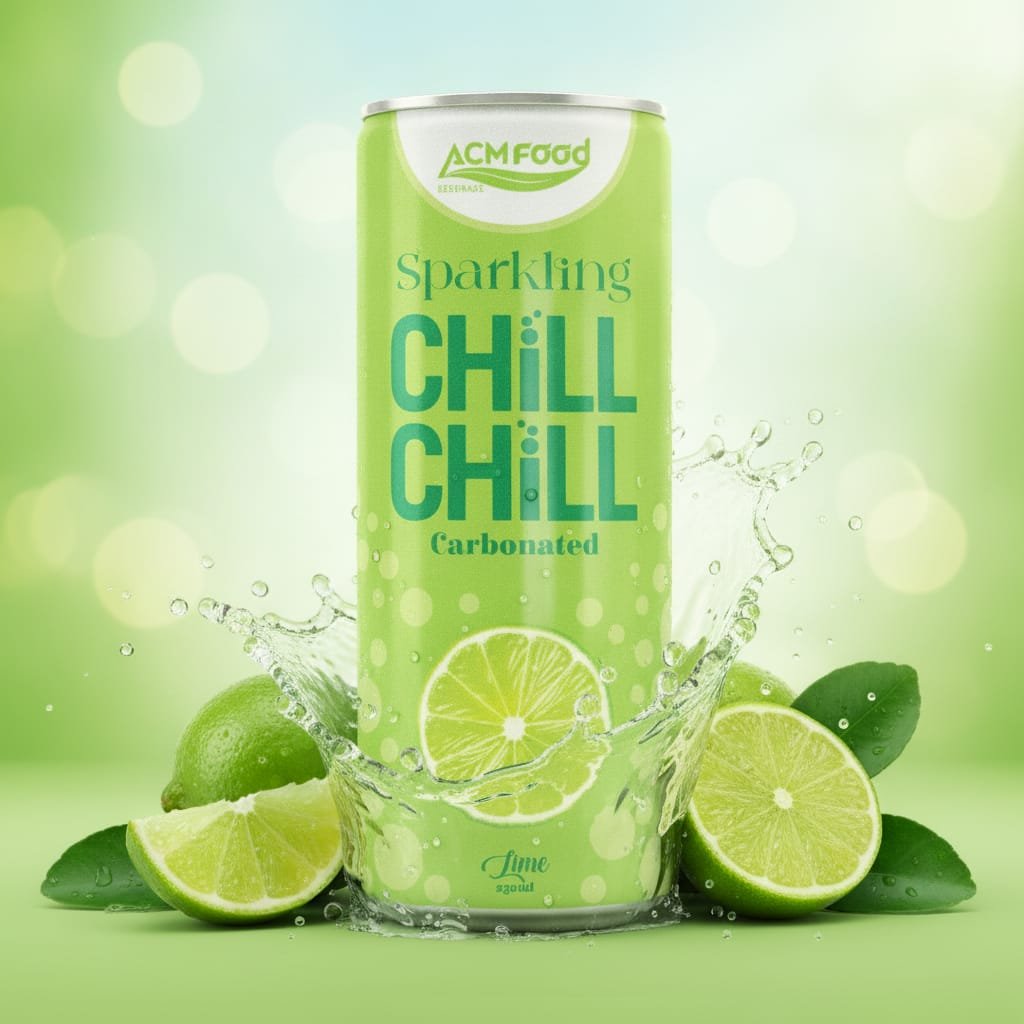
For illustrative purposes only
Private Label and Market Differentiation
The private label segment is booming, particularly in the premium sparkling juice category. Retailers want exclusive flavors that cannot be easily replicated by competitors. ACM FOOD’s R&D team develops unique lime blends, often combining local Vietnamese limes with other tropical notes like lemongrass or ginger. This bespoke approach enables store brands to build a distinct identity within crowded shelves.
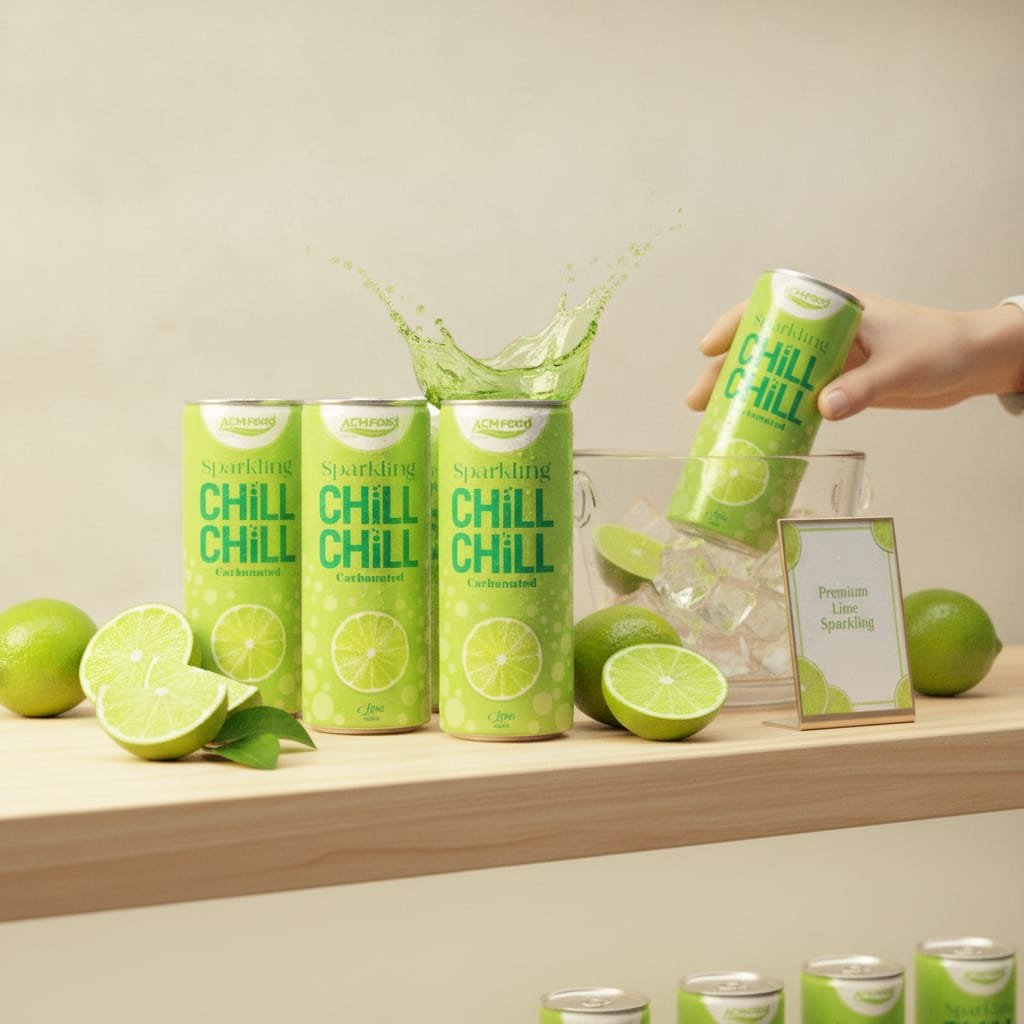
Additionally, aluminum can packaging—as seen in the 250ml format—offers superior protection against light and oxygen, preserving the bright lime character and carbonation for up to 12 months. This is a significant advantage for exporters shipping to distant ports.
Market Trends: Global Expansion of Sparkling Juice
The sparkling water drink category has evolved rapidly, with fruit-infused variants now accounting for 35% of total sparkling water sales in key markets. Lime sparkling juice sits at the intersection of this trend and the broader fresh fruit juice domain, appealing to consumers who want the authenticity of juice with the excitement of carbonation.
Regional Growth Opportunities
Middle Eastern markets show particular affinity for lime-based sparkling beverages, driven by hot climates and a culture of hospitality. The 250ml can size is ideal for single-serve consumption in retail and foodservice channels. Similarly, fresh fruit juice categories in Southeast Asia are increasingly carbonated to compete with energy drinks and colas.
Export logistics for these products demand careful temperature management and packaging durability. ACM FOOD’s facility near Ho Chi Minh City’s port reduces lead times to Europe by 15%, a competitive edge for time-sensitive seasonal promotions.
Seasonal and Campaign Trends
During summer months, lime sparkling juice sales can spike by 60% in target regions. Brand owners who lock in supply contracts early—typically by Q1—secure better pricing and guaranteed container slots. Production scheduling that aligns with citrus harvest periods also lowers raw material costs, a factor OEM partners often manage transparently.
The Competitive Edge of Lime Sparkling Juice
Lime offers a universal flavor profile that transcends cultural boundaries, making it a safe yet premium choice for export. The natural acidity of lime complements carbonation perfectly, creating a mouthfeel that consumers describe as ‘crisp and clean’. In blind taste tests, lime sparkling juice consistently outperforms lemon variants in refreshment scores.
Health and Nutritional Positioning
Marketers can position lime sparkling juice as a low-sugar, vitamin-C-rich alternative to synthetic beverages. With no artificial colors or preservatives, it aligns with clean-label trends. The 250ml aluminum can further reinforces eco-friendly messaging, as aluminum has a high recycling rate in many export markets.
For investors and distributors, the combination of strong consumer pull, flexible OEM support, and scalable production creates a compelling business case. Companies that act now to secure partnerships with manufacturers like ACM FOOD will be well-positioned to ride the sparkling juice wave.
Frequently Asked Questions
How does carbonation technology impact the shelf life of sparkling juice?
Proper carbonation and packaging—especially using aluminum cans—can maintain fizz and freshness for 9–12 months. Manufacturer certifications ensure consistent gas retention through rigorous sealing processes.
What markets show the highest demand for lime sparkling juice?
The Middle East, Western Europe, and Southeast Asia are leading importers. Health-conscious consumers in the UK and Germany also drive growth, with lime being a top-three flavor for sparkling juice.
Can OEM manufacturers produce a private label lime sparkling juice with a unique recipe?
Yes, most OEM partners offer full R&D services to develop custom formulations, including varying levels of carbonation, sweetness, and added functional ingredients. Minimum order quantities start as low as 20,000 units for pilot batches.
What sustainability benefits do aluminum cans offer for export?
Aluminum cans are infinitely recyclable and lighter than glass, reducing shipping emissions. They also block light, preserving flavor and nutrients better than plastic or cardboard.
How does fluctuating lime pricing affect the cost of sparkling juice production?
Smart sourcing strategies—such as contracting during peak harvest in Vietnam—stabilize raw material costs. OEM partners often hedge against price volatility through forward contracts, passing savings to clients.