


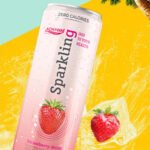
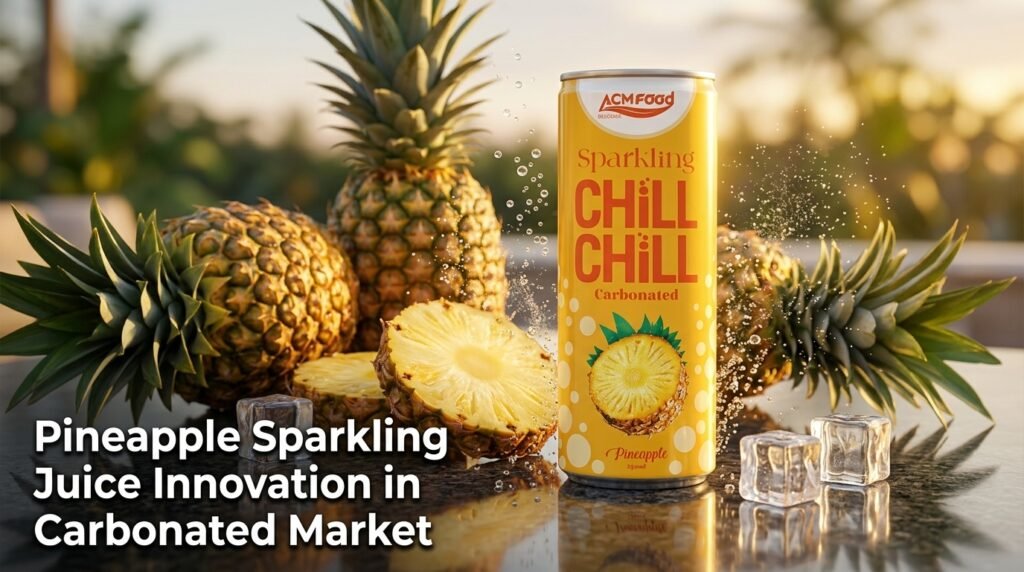
In the rapidly evolving carbonated beverage sector, tropical fruit flavors are emerging as a powerful driver of consumer engagement and market differentiation. The launch of products like the Pineapple Sparkling Juice Export – 250ml Alu-can Refreshment underscores a strategic shift toward vibrant, exotic profiles that appeal to adventurous palates worldwide. This trend is not merely a fleeting fad; it represents a fundamental reimagining of what refreshment means in a crowded marketplace.
Understanding the mechanics behind tropical flavor innovation is critical for distributors and brand owners looking to capture premium shelf space. The integration of sparkling technology with authentic pineapple essence creates a sensory experience that bridges the gap between traditional sodas and functional juices. As consumer demand for novel, natural-tasting beverages intensifies, manufacturers must adapt their product development strategies to meet these expectations.
Contents
- 1 The Rise of Tropical Sparkling Profiles
- 2 OEM Flexibility as a Competitive Advantage
- 3 Strategic Implications for Distributors and Retailers
- 4 Frequently Asked Questions
- 4.1 What makes pineapple a suitable flavor for sparkling beverages?
- 4.2 How can OEM partners customize this product for their brand?
- 4.3 What are the key certifications needed for exporting pineapple sparkling juice to Europe or the US?
- 4.4 What is the minimum order quantity for private label production?
- 4.5 How does the aluminum can format impact sustainability goals?
The Rise of Tropical Sparkling Profiles
Tropical fruit flavors have long been associated with indulgence and escapism, but their application in sparkling beverages is relatively new. The pineapple sparkling juice exemplifies how carbonation can elevate a familiar taste into a premium offering. Pineapple, with its high natural sugar content and bright acidity, pairs exceptionally well with effervescence, creating a balanced yet exciting drink.
Market data from industry analysts suggests that sparkling fruit beverages are growing at a compound annual rate exceeding 8%, with tropical variants leading the charge. This growth is fueled by millennials and Gen Z consumers who prioritize flavor exploration and perceived health benefits. The fresh fruit juice category has seen a parallel expansion, as consumers seek products that offer both taste and nutritional transparency.
Why Pineapple Stands Out
Pineapple contains bromelain, an enzyme associated with digestive health, and is rich in vitamin C. When combined with carbonation, these attributes create a functional refreshment that appeals to health-conscious buyers. OEM partners can leverage this science to develop customized formulations that target specific wellness claims.
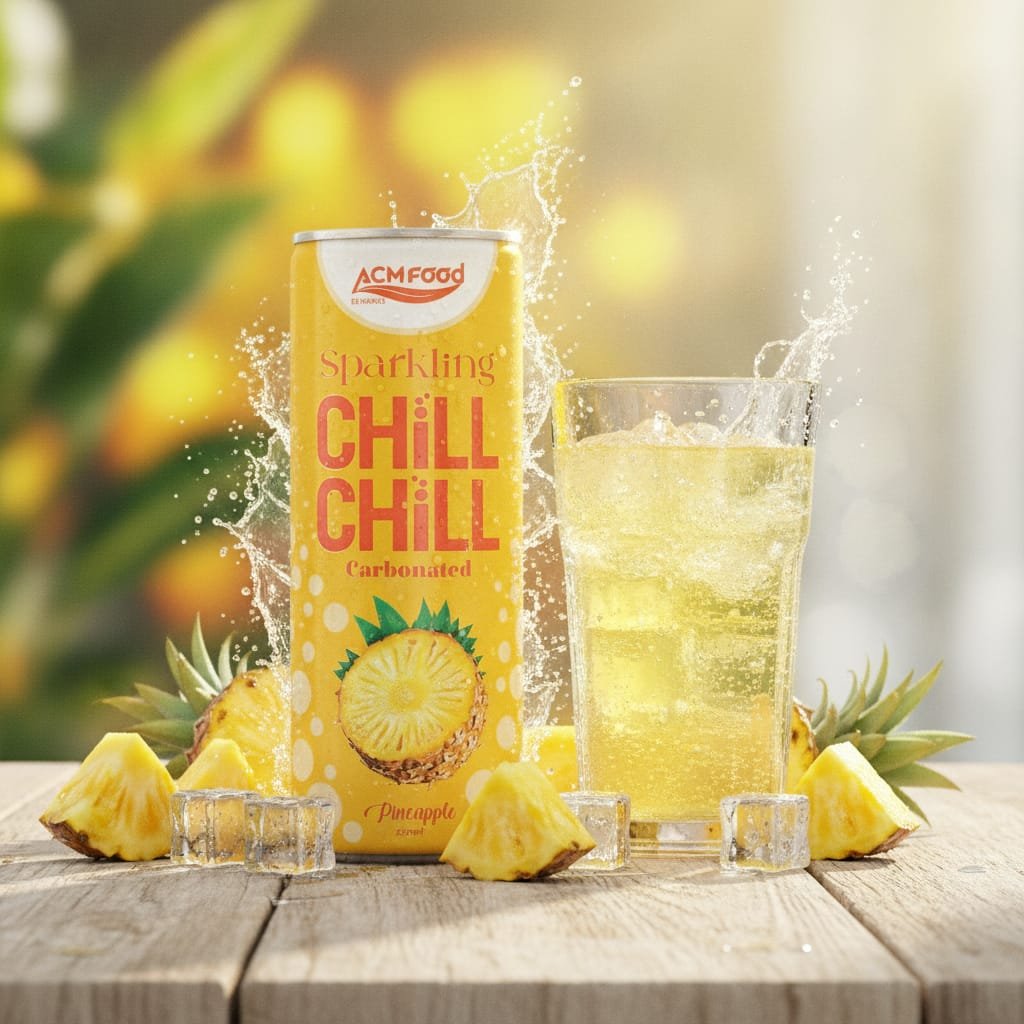
For importers evaluating their portfolio, the 250ml aluminum can sparkling juice offers a durable, lightweight packaging solution that maintains product integrity during long-distance shipping. This format is particularly suited for markets in the Middle East, Europe, and North America where aluminum recycling infrastructure is robust.
OEM Flexibility as a Competitive Advantage
One of the most compelling aspects of the tropical sparkling trend is the opportunity it presents for OEM/ODM partnerships. ACM FOOD, the manufacturer behind this product, has established itself as a leading OEM beverage manufacturer with a monthly export capacity exceeding 300 containers. Their facility in Cu Chi, Ho Chi Minh City, operates over 10 automated lines and holds certifications like FSSC 22000, ISO, HALAL, and KOSHER.
Private label buyers can request modifications to the sweetener level, carbonation intensity, or even blend other tropical fruits like mango or passion fruit. The low minimum order quantities (MOQs) offered by ACM allow startups and mid-sized brands to test markets without committing to massive volumes. This flexibility is a strategic lever in a volatile global economy.
Additionally, the sparkling water drink category provides a template for how carbonated beverages can evolve. By adapting similar production techniques, pineapple sparkling juice can capture incremental distribution in convenience stores, hotels, and airline catering.
Packaging Innovation for Global Reach
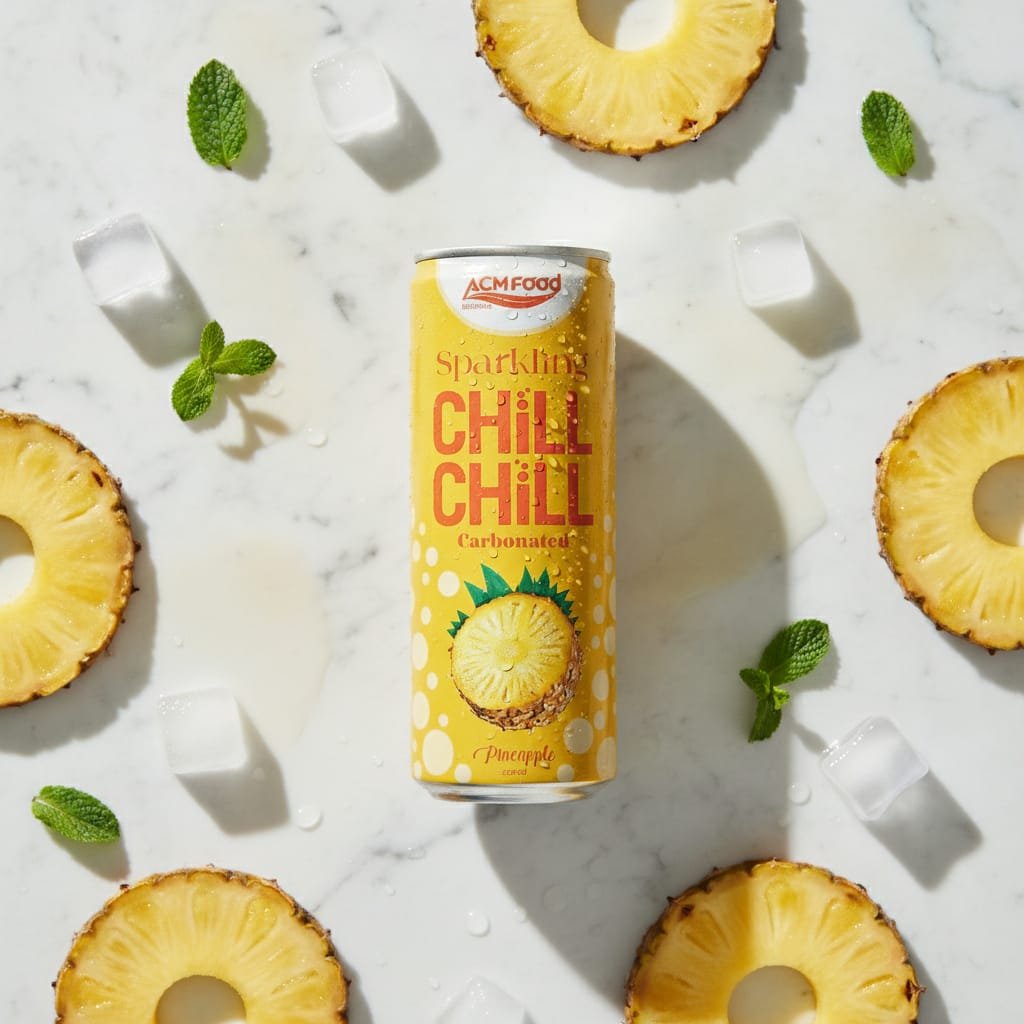
The 250ml aluminum can is specifically designed for chill-on-the-go consumption. Its slim profile fits standard vending machines and cooler racks, while the high-quality printing allows for vibrant brand storytelling. For OEM clients, ACM offers full customization of can designs, from matte finishes to metallic accents.
Export logistics are simplified through ACM’s experience in handling documentation for U.S. FDA, EU, and Middle Eastern regulations. The factory’s proximity to Cat Lai Port ensures efficient loading and reduced lead times.
Strategic Implications for Distributors and Retailers
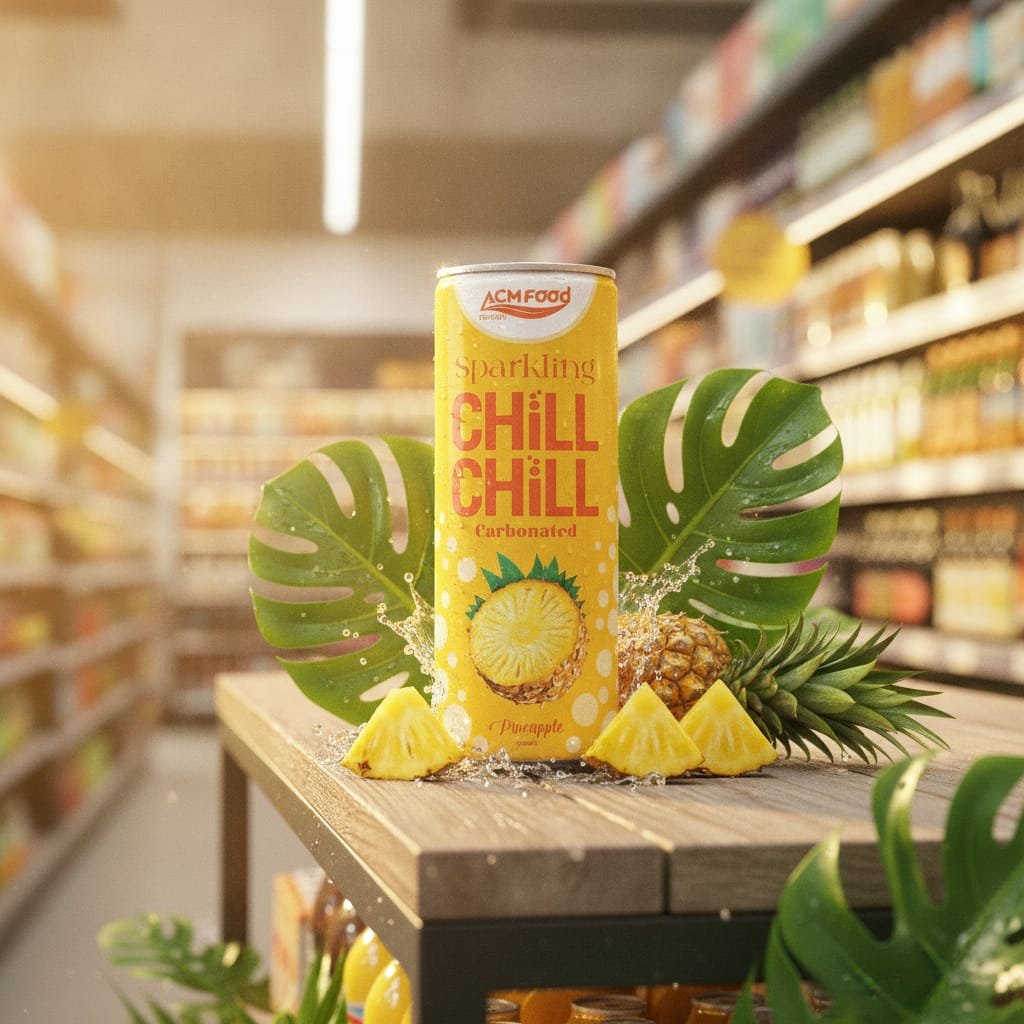
For distributors, adding a pineapple sparkling juice OEM product to their roster can differentiate their portfolio in an increasingly homogenous market. Tropical flavors have a proven track record of commanding premium price points, with margins often 15-20% higher than mainstream sodas.
Retailers should note that pineapple sparkling beverages also perform well in seasonal campaigns, such as summer refreshment or tropical-themed promotions. The product’s versatility makes it suitable for both alcoholic and non-alcoholic mixology, expanding its addressable audience.
Consider advising your procurement team to evaluate manufacturers that offer end-to-end support, from R&D to export documentation. A partner like ACM, with its integrated manufacturing ecosystem, can reduce time-to-market by up to 30% compared to working with multiple intermediaries.
Frequently Asked Questions
What makes pineapple a suitable flavor for sparkling beverages?
Pineapple’s natural sweetness and acidity interact with carbonation to create a crisp, refreshing taste that doesn’t rely heavily on added sugars. This aligns with clean-label trends.
How can OEM partners customize this product for their brand?
OEM partners can adjust sweetness levels, carbonation, and even add functional ingredients like vitamins or electrolytes. ACM offers sample development and private label services.
What are the key certifications needed for exporting pineapple sparkling juice to Europe or the US?
FSSC 22000, HALAL, and BSCI are essential. ACM holds these certifications, facilitating smoother entry into regulated markets.
What is the minimum order quantity for private label production?
ACM typically requires a 20-foot container as minimum, but flexible arrangements can be discussed for trial orders.
How does the aluminum can format impact sustainability goals?
Aluminum is infinitely recyclable, and the lightweight nature reduces carbon footprint during shipping. Many brands use this as a selling point.