


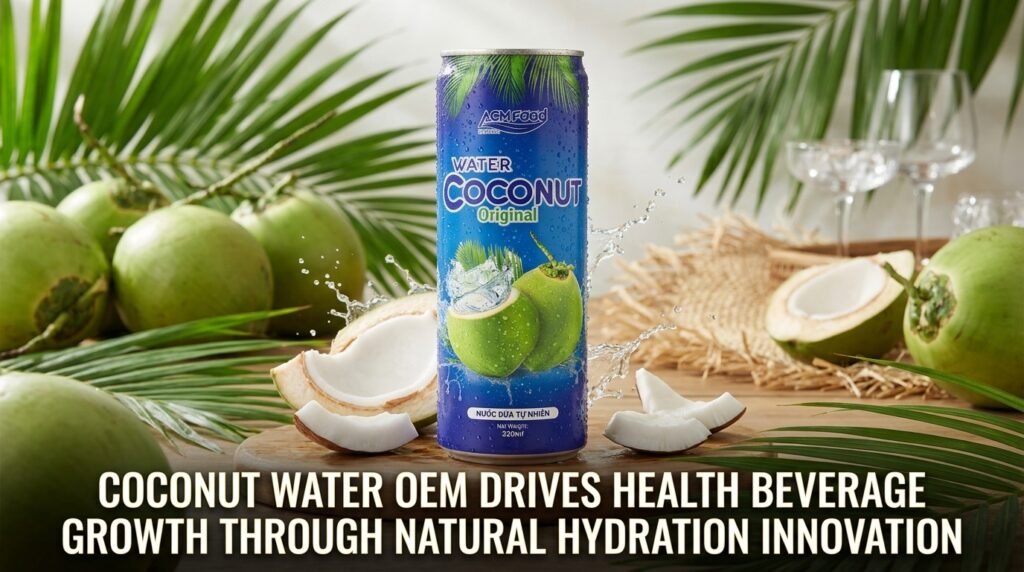
The global beverage industry is witnessing a structural shift toward functional hydration, with natural coconut water emerging as a cornerstone of the health-conscious consumer movement. This segment, valued at over $4 billion, is expanding as brands recognize the demand for clean-label, electrolyte-rich options that offer genuine nutritional benefits.
For importers and distributors seeking to capitalize on this trend, understanding the manufacturing ecosystem behind premium coconut water products becomes critical. The OEM model for coconut water production offers a pathway to market differentiation without heavy capital investment in facilities or R&D.
Contents
- 1 The Health Credential of Natural Coconut Water
- 2 Market Dynamics and Consumer Demand
- 3 OEM Flexibility as a Competitive Advantage
- 4 Strategic Considerations for Distributors and Importers
- 5 Export Logistics and Regulatory Compliance
- 6 Conclusion: Why OEM Coconut Water Is a Sound Investment
- 7 Frequently Asked Questions
- 7.1 What makes coconut water a healthier choice compared to sports drinks?
- 7.2 How does the OEM model benefit a new beverage brand?
- 7.3 What certifications should a coconut water OEM hold for global export?
- 7.4 Can the 320ml alu-can packaging be customized with my brand design?
- 7.5 What is the typical MOQ for launching a private label coconut water?
The Health Credential of Natural Coconut Water
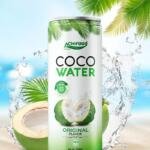
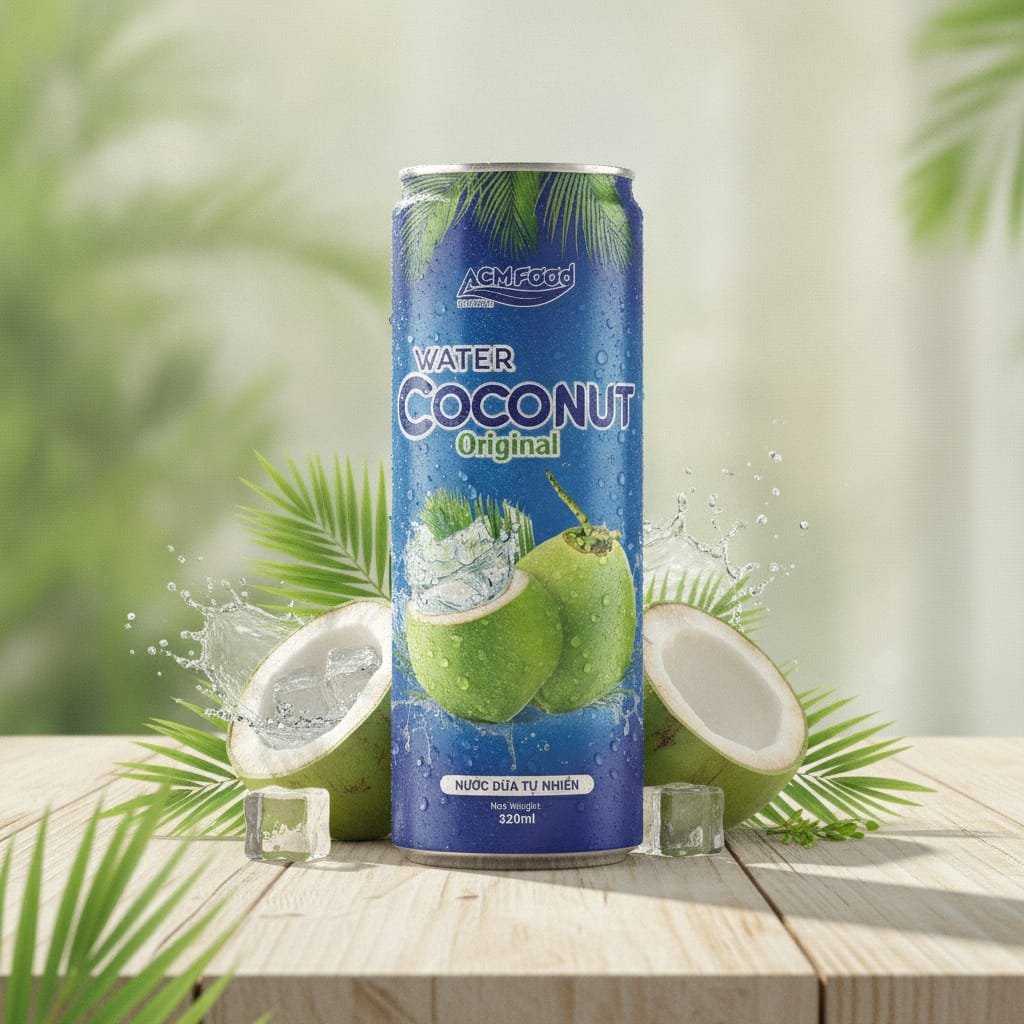
Coconut water’s rise in functional beverage markets stems from its unique nutritional composition. Packed with potassium, magnesium, and natural electrolytes, it serves as an alternative to synthetic sports drinks. 320ml Original Coconut Water Alu-Can from BIDU Beverage exemplifies how this natural hydration source is packaged for mass distribution.
Clinical studies have shown that coconut water rehydrates effectively after exercise, without added sugars or artificial ingredients. This positions it favorably in markets where regulatory pressure on sugar content is increasing.
Market Dynamics and Consumer Demand
The health and wellness sector now accounts for nearly 30% of total non-alcoholic beverage sales in developed economies. Coconut water specifically has seen double-digit annual growth in North America, Europe, and the Middle East over the past five years. Fresh coconut water products are increasingly sought after by younger demographics who prioritize natural ingredients.
What makes this category particularly attractive for B2B buyers is the margin potential. Premium coconut water commands price points 50-80% higher than standard juice drinks, while production costs remain competitive when sourcing from established OEM partners.
OEM Flexibility as a Competitive Advantage
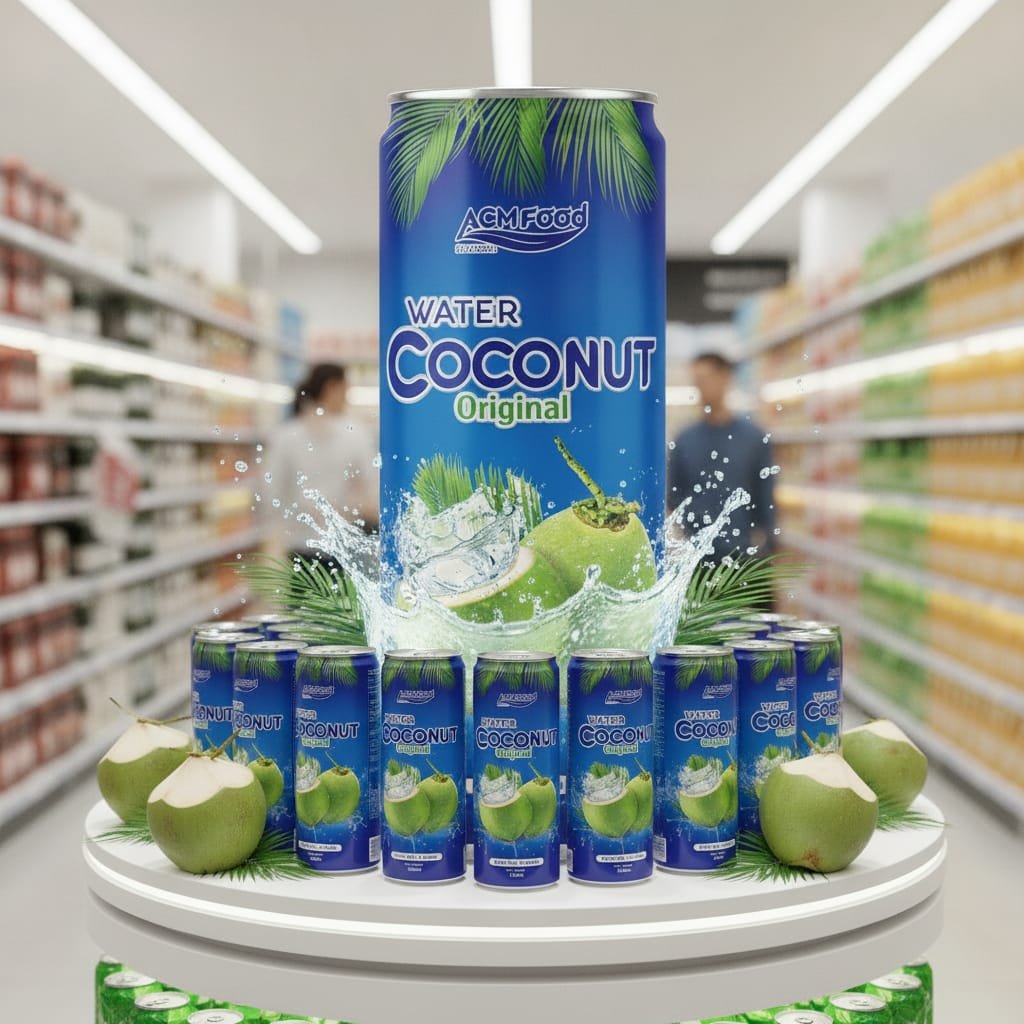
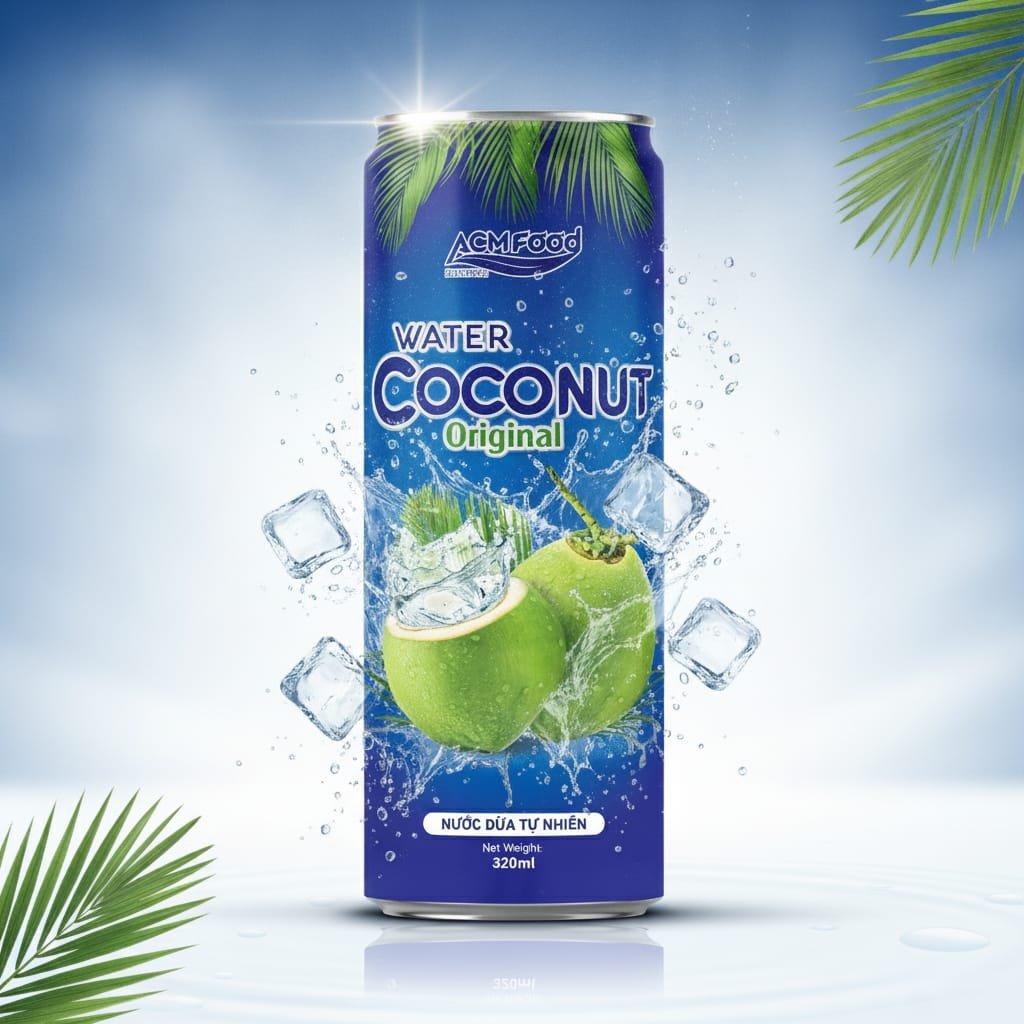
Partnering with a capable OEM manufacturer transforms market entry barriers. original coconut water in 320ml cans can be customized with private labeling, varying sweetness levels, and specific packaging formats. This flexibility allows distributors to launch their own brand without the overhead of building a factory.
ACM Food Co., Ltd., operating under the BIDU brand, exemplifies this model. Their production ecosystem includes over 10 automated lines, monthly export capacity of 300+ containers, and certifications such as FSSC 22000, Organic (USDA, EU), Halal, and Kosher. For buyers targeting US, EU, or Middle East markets, these credentials shorten approval cycles significantly.
Customization and Low MOQ Strategies
The ability to start with modest order quantities (low MOQ) is a game-changer for regional distributors testing market response. ACM Food offers OEM/ODM services that include product concept development, packaging design, and compliance labeling. This reduces the risk of large inventory commitments while enabling rapid market entry.
For example, a distributor in Southeast Asia can launch a coconut water line under their own brand using the 320ml alu-can format, which offers portability and shelf stability. The lightweight aluminum can also reduces shipping costs compared to glass bottles.
Strategic Considerations for Distributors and Importers
When evaluating a coconut water OEM partner, due diligence on production capacity and quality control is essential. ACM Food’s facility in Tan Phu Trung Industrial Park operates under strict international food safety standards. Their diverse product range demonstrates experience across multiple categories, which can be leveraged for cross-category innovation.
Another strategic move is to align with OEM partners who invest in R&D. The ability to develop functional variants—such as coconut water with added electrolytes or tropical fruit infusions—opens additional revenue streams. Distributors who secure exclusive distribution rights for innovative formats can build a competitive moat.
Export Logistics and Regulatory Compliance
Navigating export logistics for coconut water requires understanding perishable versus shelf-stable product characteristics. The 320ml alu-can is a shelf-stable solution with a long shelf life, making it ideal for sea freight to distant markets. ACM Food’s export team handles documentation, customs clearance, and certification compliance for each target region.
Labeling requirements vary by market: US FDA requires specific nutritional formatting, while EU demands organic certification if claimed. Middle Eastern markets require Halal certification. A single OEM partner like ACM Food can coordinate all these requirements, saving time and reducing errors.
Conclusion: Why OEM Coconut Water Is a Sound Investment
The convergence of health trends, clean-label demand, and convenient packaging positions natural coconut water as a resilient beverage category. For B2B buyers, the OEM model offers a capital-efficient route to enter or expand in this space. The 320ml Original Coconut Water Alu-Can represents a proven product form that aligns with consumer expectations.
As global beverage consumption continues to pivot toward functional and natural products, early movers who secure reliable OEM partnerships will capture disproportionate market share. The question is no longer whether coconut water will grow, but which brands—and their manufacturing allies—will lead that growth.
Frequently Asked Questions
What makes coconut water a healthier choice compared to sports drinks?
Coconut water naturally contains potassium, magnesium, and calcium without added sugars or artificial electrolytes. Its lower osmolality aids faster absorption during rehydration.
How does the OEM model benefit a new beverage brand?
OEM manufacturing eliminates the need for capital expenditure on production lines. Brands can focus on marketing and distribution while leveraging existing certified facilities for consistent quality and volume.
What certifications should a coconut water OEM hold for global export?
Essential certifications include FSSC 22000 or ISO 22000 for food safety, Organic (USDA/EU) for natural claims, and Halal or Kosher for specific markets. ACM Food holds all these.
Can the 320ml alu-can packaging be customized with my brand design?
Yes, OEM partners offer full private labeling services including custom can printing, shrink sleeves, and labeling to match brand guidelines.
What is the typical MOQ for launching a private label coconut water?
MOQ varies by manufacturer but many OEMs offer flexible starting quantities around 1-2 pallets for initial test runs, scaling up based on demand.