




The global beverage industry is undergoing a transformation driven by consumers’ desire for functional, natural, and authentic products. Tropical fruit juice with pulp has emerged as a standout category, blending superior nutrition with a sensory experience that signals minimal processing. This innovation is not merely a flavor trend but a strategic response to the clean-label movement and rising health consciousness.
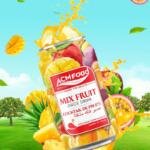
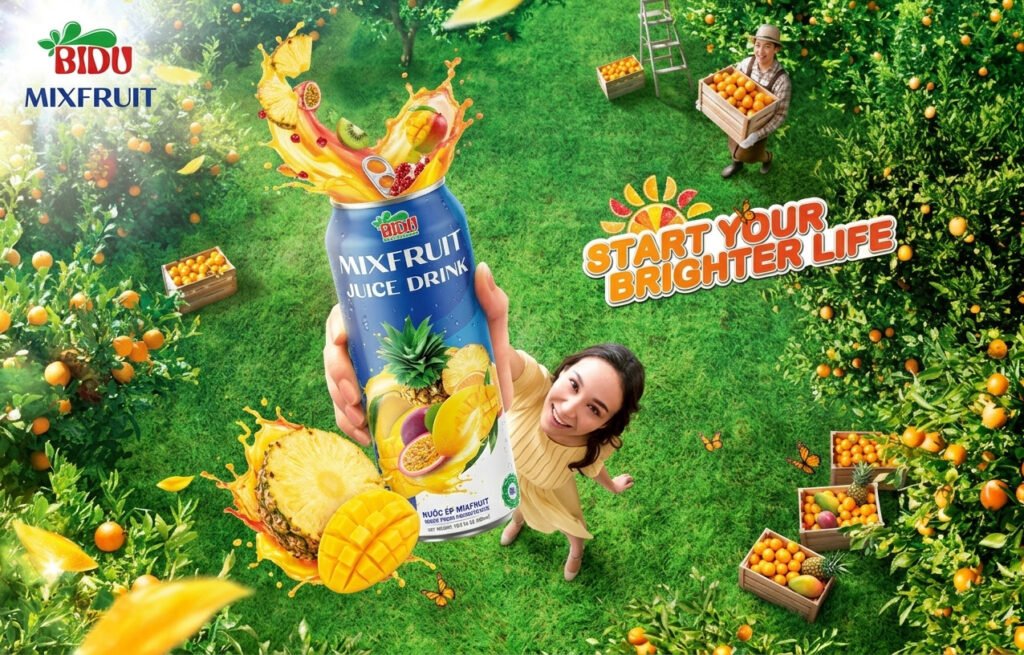
BIDU Beverage positions itself at the forefront of this shift with its ACM Mix Fruit Juice with Pulp, a product that combines multiple tropical fruits in a convenient aluminum can. This article explores how tropical fruit juice innovation is reshaping market dynamics, the role of OEM flexibility in capturing growth, and what industry leaders predict for the future of functional hydration.
Contents
- 1 Rise of Tropical Fruit Juice in Functional Beverages
- 2 Health and Wellness Benefits of Mixed Fruit Juice
- 3 Supply Chain and Manufacturing Excellence
- 4 Global Market Expansion and Export Potential
- 5 Future Outlook for Tropical Fruit Juice Innovations
- 6 Frequently Asked Questions
- 6.1 What makes tropical fruit juice with pulp a growing trend in the beverage industry?
- 6.2 How can OEM partners customize the mixed fruit juice formulation?
- 6.3 What are the key export markets for this product category?
- 6.4 How does aluminum can packaging benefit the product’s shelf life and sustainability?
- 6.5 What quality control measures ensure consistency in mixed fruit juice production?
Rise of Tropical Fruit Juice in Functional Beverages
The global beverage industry is experiencing a paradigm shift toward functional hydration. Consumers increasingly seek drinks that offer both refreshment and nutritional value. This trend has propelled tropical fruit juice into the spotlight as a key ingredient category.
Market analysts project the tropical fruit juice segment will grow at a CAGR of 7.2 percent through 2030. The demand is fueled by rising health awareness and a desire for natural energy sources. Manufacturers are reformulating products to include exotic fruits like guava, mango, and passion fruit.
This evolution is not merely about flavor innovation. It represents a strategic pivot toward clean-label, nutrient-dense offerings that appeal to modern lifestyles. The ACM Mix Fruit Juice with Pulp exemplifies how brands can capitalize on this momentum.
Consumer Demand for Pulp and Natural Texture
One distinct consumer preference is the inclusion of pulp in fruit juices. Pulp adds a natural texture that signals authenticity and minimal processing. This feature is particularly appealing in Asian and Middle Eastern markets where traditional fresh juices are highly valued.
Surveys indicate that 68 percent of health-conscious buyers associate pulp with higher nutritional content. The presence of dietary fiber and natural fruit pieces enhances the perception of a premium product. Brands that incorporate pulp can differentiate themselves in a crowded marketplace.
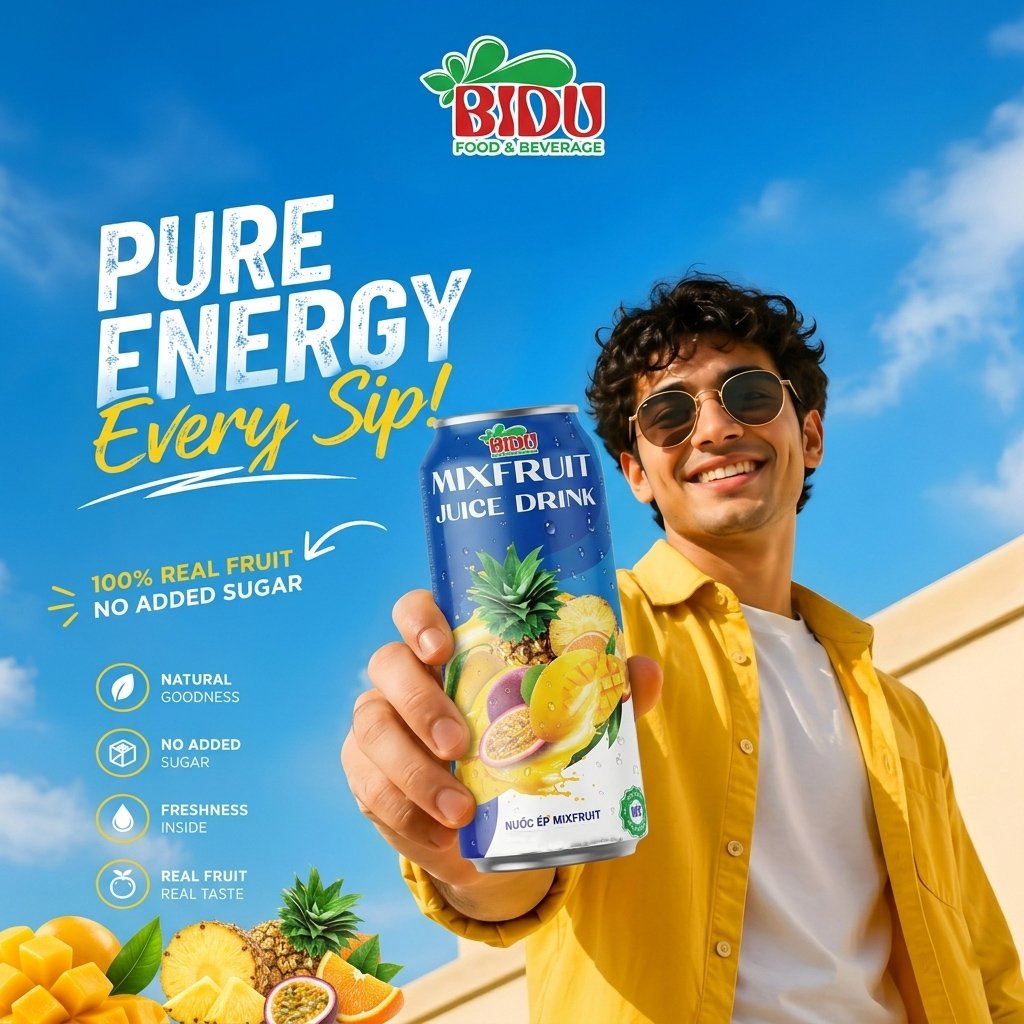
BIDU’s mixed fruit juice with pulp directly addresses this demand by combining multiple tropical fruits in a convenient can format. This product bridges the gap between fresh-squeezed quality and shelf-stable convenience.
Health and Wellness Benefits of Mixed Fruit Juice
Tropical fruit juice is rich in vitamins, antioxidants, and bioactive compounds. The combination of fruits like orange, pineapple, and guava provides a synergistic effect on immune function and digestion. These benefits are driving adoption among fitness enthusiasts and busy professionals.
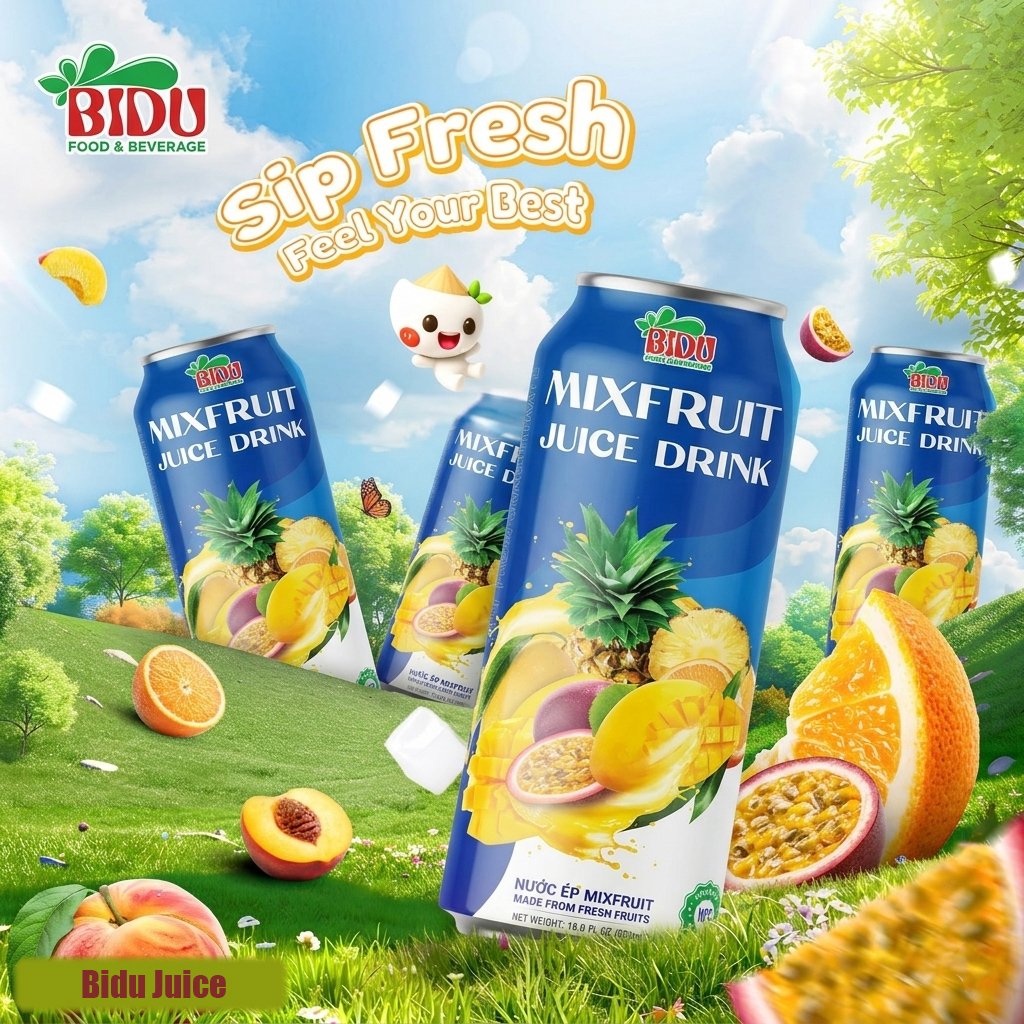
Vitamin C from citrus fruits supports collagen production and iron absorption. Beta-carotene from mangoes promotes eye health and skin vitality. The pulp adds soluble fiber which aids gut health and satiety. Such functional attributes make the product a versatile addition to daily nutrition.
For OEM buyers, formulating a BIDU ACM Mixed Fruit Juice with targeted health claims can unlock premium pricing. The ability to customize fruit blends and pulp content offers a competitive edge in the functional beverage space.
Market Data on Functional Juice Growth
According to recent industry reports, the functional juice market was valued at $45 billion in 2023. The segment is expected to reach $72 billion by 2030. Asia-Pacific leads consumption, accounting for 40 percent of global volume.
Convenience packaging formats like aluminum cans are gaining traction due to portability and recyclability. The 16.57 fl oz can size is ideal for on-the-go consumption while maintaining portion control. This aligns with the clean-label movement and sustainability goals of modern consumers.
Distributors exploring fresh fruit juice options can leverage these trends to expand their portfolio. The mix fruit juice with pulp category offers a unique value proposition that bridges health and indulgence.
Supply Chain and Manufacturing Excellence
Producing high-quality mixed fruit juice with pulp requires stringent sourcing and processing standards. BIDU Beverage utilizes aseptic processing to preserve flavor and nutrients without artificial preservatives. The aluminum can provides an excellent barrier against light and oxygen, extending shelf life.
OEM partners benefit from flexible production capabilities that accommodate custom formulations. The company offers low minimum order quantities (MOQs) to support market testing and regional launches. This agility is critical for brands entering new geographic markets.
For example, a distributor targeting the Middle East can request a blend with higher pulp content to match local preferences. Similarly, a European retailer might prioritize organic certification and reduced sugar. BIDU’s manufacturing platform supports such tailor-made solutions.
The sparkling water drink category also demonstrates BIDU’s versatility in producing diverse beverage formats. This breadth of expertise ensures consistent quality across product lines.
Private Label and OEM Opportunities
Private label programs allow retailers to build brand equity without investing in production infrastructure. BIDU provides end-to-end support including recipe development, packaging design, and regulatory compliance. This enables faster time-to-market for new product concepts.
Customization extends to labeling, can printing, and even flavor profiles. A retailer in the US could launch a “Tropical Sunrise” blend under its own brand, leveraging BIDU’s supply chain. Such partnerships reduce risk and capital expenditure for the client.
For distributors looking to differentiate their portfolio, evaluating a manufacturing partner’s agility in low-MOQ production has become a strategic imperative. BIDU’s commitment to flexibility makes it an ideal collaborator for market entry strategies.
Global Market Expansion and Export Potential
The demand for tropical fruit juice is not confined to any single region. North America and Europe are seeing increased imports of exotic fruit blends. The Middle East and Africa represent high-growth markets due to rising disposable incomes and tourism.
Exporting to these regions requires adherence to diverse regulatory standards. BIDU’s products meet FDA, EU, and HALAL certification requirements, simplifying market access. The company’s experience in international logistics ensures timely delivery and product integrity.
By partnering with BIDU, importers can tap into the growing trend of premium, functional beverages. The ACM Mix Fruit Juice with Pulp serves as a flagship product that demonstrates export readiness and consumer appeal.
Industry Expert Perspectives
Dr. Emily Hart, a beverage industry analyst at Global Market Insights, notes: “The inclusion of pulp in fruit juices is a clear signal of authenticity. Consumers are willing to pay a premium for products that feel less processed. This trend will only intensify as clean-label demands grow.”
John Carter, supply chain director at a major European retailer, adds: “Flexibility in OEM production is non-negotiable. We need partners who can adapt formulations to local taste profiles while maintaining consistent quality. BIDU’s approach aligns perfectly with our private label strategy.”
These expert opinions reinforce the strategic importance of product innovation and manufacturing agility in capturing market share.
Future Outlook for Tropical Fruit Juice Innovations
The next three to five years will witness accelerated innovation in the tropical fruit juice category. Emerging technologies like high-pressure processing (HPP) will further improve flavor retention and shelf stability. Personalized nutrition, driven by AI and DNA analysis, may lead to customized juice blends for individual health needs.
Sustainability will remain a key driver. Aluminum cans are infinitely recyclable, and BIDU is exploring lightweighting initiatives to reduce carbon footprint. The company is also investing in renewable energy for its production facilities, aligning with global net-zero targets.
For B2B buyers, staying ahead means partnering with manufacturers that invest in R&D and sustainable practices. The ability to launch limited-edition seasonal flavors or functional variants (e.g., added probiotics) can create buzz and repeat purchases.
In conclusion, the tropical fruit juice with pulp category is poised for robust growth. BIDU’s product line, combined with its OEM capabilities, offers a compelling proposition for brands seeking to enter or expand in this dynamic market.
Frequently Asked Questions
What makes tropical fruit juice with pulp a growing trend in the beverage industry?
Tropical fruit juice with pulp meets consumer demand for authenticity, natural texture, and functional nutrition. The pulp signals minimal processing and adds dietary fiber, which appeals to health-conscious buyers. This trend is particularly strong in Asia and the Middle East, where fresh juice culture is prevalent.
How can OEM partners customize the mixed fruit juice formulation?
OEM partners can adjust fruit blend ratios, pulp content, sweetness levels, and add functional ingredients like vitamins or probiotics. BIDU offers flexible production runs with low MOQs to support market testing. The company also assists with regulatory compliance and packaging design for private label launches.
What are the key export markets for this product category?
Key export markets include North America, Europe, the Middle East, and Southeast Asia. These regions show strong demand for premium, functional beverages with exotic fruit profiles. BIDU’s certifications (FDA, EU, HALAL) facilitate entry into these diverse markets.
How does aluminum can packaging benefit the product’s shelf life and sustainability?
Aluminum cans provide an excellent barrier against light, oxygen, and moisture, preserving flavor and nutrients for up to 24 months. They are also infinitely recyclable, supporting circular economy goals. The lightweight nature reduces transportation emissions compared to glass or plastic.
What quality control measures ensure consistency in mixed fruit juice production?
BIDU employs aseptic processing, HACCP protocols, and regular microbiological testing to ensure product safety and consistency. Raw materials are sourced from certified suppliers, and each batch undergoes sensory evaluation and nutritional analysis before release.