



Functional beverages are no longer a niche category. They have become a mainstream force reshaping the global drink industry. Consumers increasingly demand products that deliver specific health benefits beyond basic hydration. This shift has created fertile ground for innovative ingredients.
Basil seeds, long valued in traditional medicine, are now at the forefront of this movement. Their unique texture and proven digestive benefits offer a compelling proposition for both consumers and manufacturers. The convergence of health consciousness and flavor innovation is driving unprecedented growth in this segment. For B2B buyers, understanding this trend is essential for capturing market share in the evolving beverage landscape.
Contents
- 1 The Rise of Functional Hydration: A Market in Transformation
- 2 BIDU Basil Seed Kiwi Drink: A Case Study in Functional Innovation
- 3 Market Dynamics Driving Seed Based Beverage Demand
- 4 Strategic Opportunities for B2B Partners in the Functional Beverage Space
- 5 Expert Perspectives on the Future of Functional Hydration
- 6 Future Outlook: The Next Five Years for Seed Based Beverages
- 7 Frequently Asked Questions
- 7.1 What are the main health benefits of basil seed drinks?
- 7.2 How does the functional beverage market differ from traditional soft drinks?
- 7.3 What should B2B buyers consider when sourcing basil seed beverages?
- 7.4 Are basil seed drinks suitable for all dietary preferences?
- 7.5 What is the growth outlook for the seed based beverage segment?
The Rise of Functional Hydration: A Market in Transformation
Functional beverages are reshaping the global drink industry. Consumers now seek more than simple thirst quenchers. They demand drinks that offer tangible health benefits. This shift has accelerated dramatically since 2020. The global functional beverage market was valued at over $150 billion in 2023. Analysts project it will exceed $280 billion by 2030. This represents a compound annual growth rate of approximately 8.5 percent.
Within this booming sector, seed-based beverages are emerging as a powerful subcategory. Chia and basil seeds have gained significant traction. These ingredients are rich in fiber, omega-3 fatty acids, and antioxidants. They align perfectly with the clean label movement. Consumers increasingly recognize the digestive and nutritional advantages of these seeds. This trend is particularly strong in Asia Pacific and is now expanding rapidly into Western markets.
Why Basil Seeds Are Captivating Global Audiences
Basil seeds, also known as sabja or tukmaria, offer unique functional properties. When soaked in water, they form a gel-like texture. This texture enhances the drinking experience and provides a natural source of soluble fiber. The seeds also deliver a subtle crunch that consumers find appealing. This dual texture profile is rare in the beverage world. It creates a distinct point of differentiation on crowded retail shelves.
The health benefits of basil seeds are well documented. They support digestive health, help regulate blood sugar levels, and promote satiety. For health conscious consumers, these attributes are highly attractive. The seeds are also naturally gluten free and vegan friendly. This makes them suitable for a wide range of dietary preferences. The combination of texture and wellness creates a compelling value proposition.
BIDU Basil Seed Kiwi Drink: A Case Study in Functional Innovation
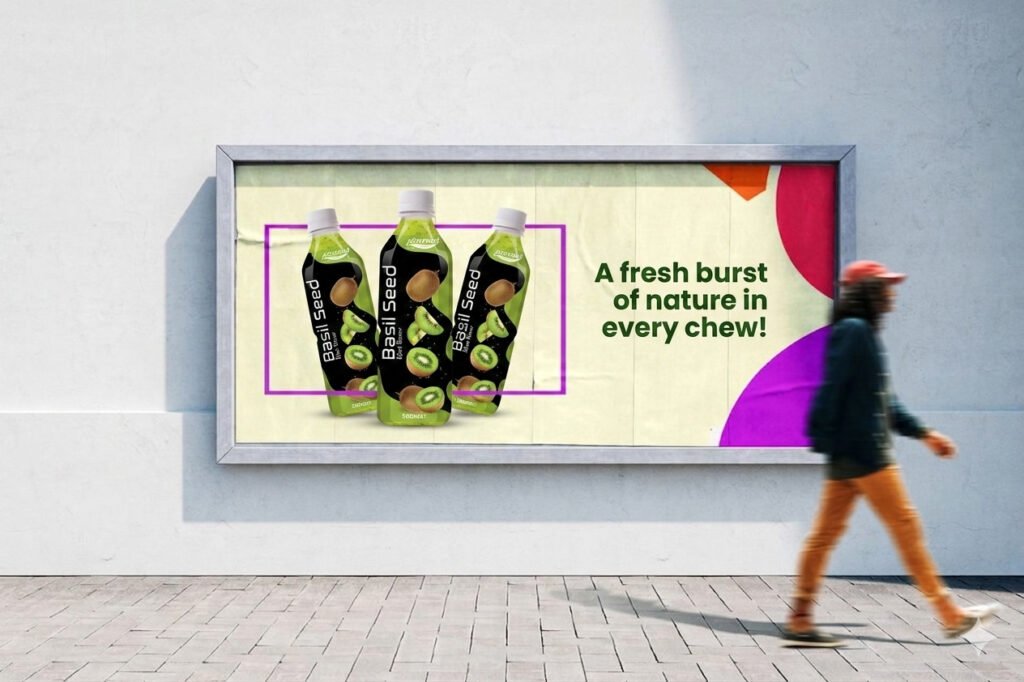
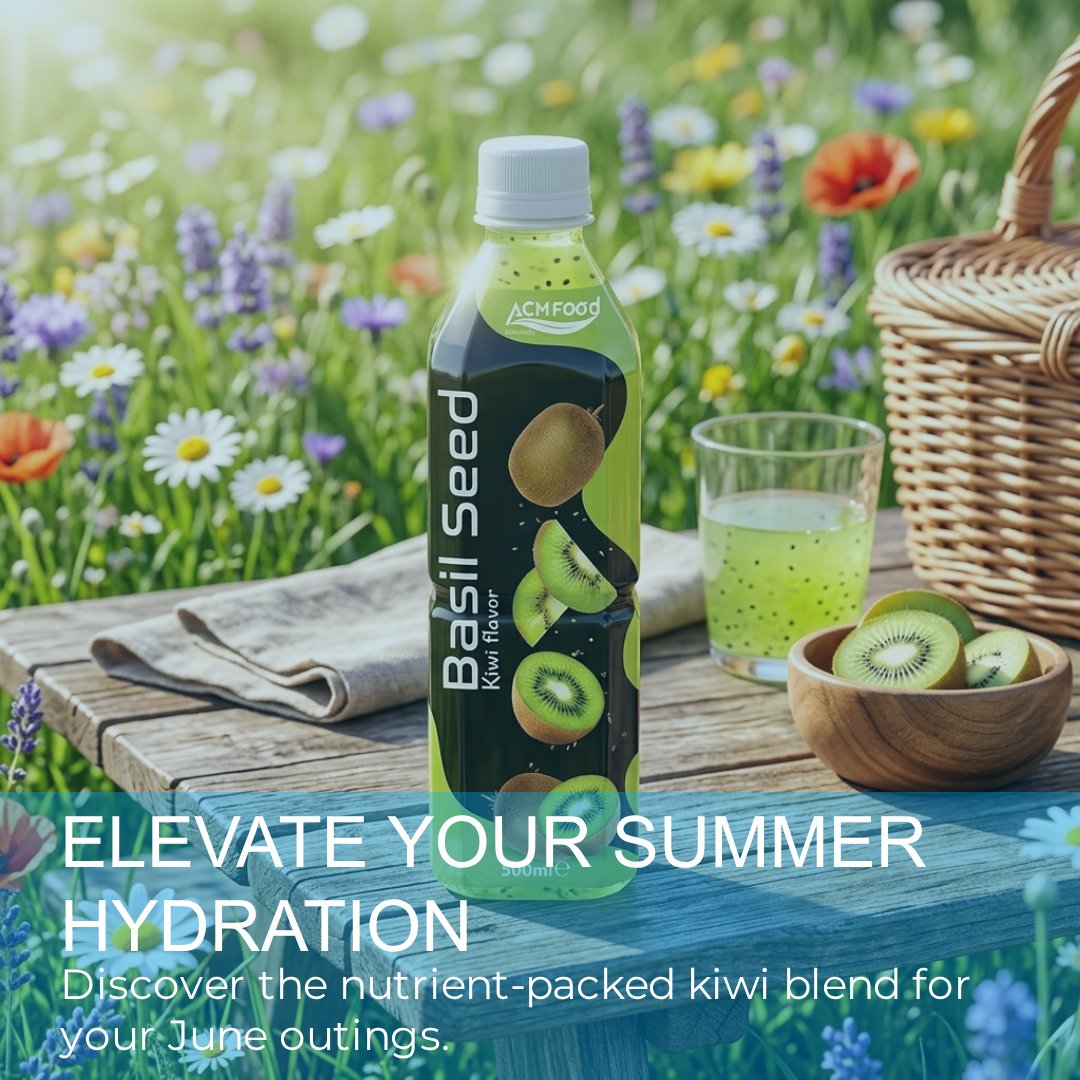
The 500ml PET Bottle Basil Seed Drink with Kiwi Flavour exemplifies this trend perfectly. This product combines the functional power of basil seeds with the vibrant taste of kiwi. Kiwi is itself a nutrient dense fruit. It is rich in vitamin C, vitamin K, and dietary fiber. The pairing creates a synergistic health profile. Consumers receive both digestive benefits from the seeds and immune support from the kiwi.
The packaging format is equally strategic. The 500ml PET bottle offers convenience for on the go consumption. This format is ideal for busy professionals, students, and active individuals. The clear PET material showcases the visible basil seeds suspended in the liquid. This visual cue reinforces the product’s natural and functional positioning. For OEM buyers, this product demonstrates how ingredient visibility can enhance shelf appeal.
This product is positioned in the premium functional segment. It targets health aware millennials and Gen Z consumers. These demographics prioritize wellness and are willing to pay a premium for functional benefits. The product also appeals to older consumers seeking digestive health solutions. The broad demographic appeal makes it a strong candidate for retail distribution across multiple channels.
Market Dynamics Driving Seed Based Beverage Demand
The global market for seed based beverages is expanding rapidly. Chia seed drinks alone have seen a 12 percent annual growth rate since 2021. Basil seed beverages are following a similar trajectory. This growth is fueled by increasing consumer awareness of gut health. The gut microbiome has become a major focus in the wellness industry. Soluble fiber from seeds acts as a prebiotic, feeding beneficial gut bacteria.
Consumer behavior is shifting toward preventive health. People are proactively seeking products that support long term wellness. This trend is especially pronounced in urban markets. Stressful lifestyles and poor dietary habits drive demand for convenient health solutions. Functional beverages offer an easy way to incorporate beneficial ingredients into daily routines. The 500ml PET bottle basil seed drink with kiwi flavour fits perfectly into this lifestyle.
Retailers are responding by expanding their functional beverage sections. Supermarket chains in the US, Europe, and Asia are allocating more shelf space to these products. Convenience stores are also embracing functional drinks. The visibility of basil seeds in the beverage creates a natural marketing advantage. It signals authenticity and transparency to discerning consumers.
Strategic Opportunities for B2B Partners in the Functional Beverage Space
For brands and distributors, the functional beverage segment offers substantial growth opportunities. OEM and private label partnerships enable rapid market entry. A manufacturing partner with expertise in seed based beverages can accelerate product development. The ability to customize formulations is a key competitive advantage. Buyers can adjust sweetness levels, flavor profiles, and seed concentrations to target specific consumer segments.
Flexibility in minimum order quantities is another critical factor. Smaller brands can test the market without committing to massive inventory. This reduces financial risk and allows for iterative product refinement. The fresh aloe vera juice category has demonstrated similar dynamics. Aloe vera beverages experienced rapid growth through flexible OEM arrangements. The same model is now driving basil seed beverage expansion.
Export markets present significant potential. The United States and European Union are prime targets for functional beverages. Both regions have strong consumer demand for digestive health products. The Middle East and Southeast Asia also show high growth potential. These markets already have cultural familiarity with seed based ingredients. Distributors looking to differentiate their portfolios should evaluate partners with proven capabilities in this niche.
Functional beverages face specific regulatory considerations. Health claims must be substantiated and compliant with local regulations. The European Food Safety Authority and the US Food and Drug Administration have clear guidelines. Partnering with an experienced manufacturer simplifies this process. They can provide documentation on ingredient sourcing and nutritional analysis.
Clean label positioning requires transparent ingredient lists. Basil seed drinks naturally support this approach. The ingredient deck is typically short and recognizable. Water, basil seeds, kiwi juice or flavor, and a natural sweetener are often sufficient. This simplicity resonates with consumers who scrutinize labels. The chia and basil seed category has benefited from this clean label appeal.
Expert Perspectives on the Future of Functional Hydration
Industry analysts predict continued growth for seed based beverages. Dr. Sarah Chen, a beverage industry consultant, notes that “consumers are moving beyond sugar laden energy drinks toward functional hydration. Basil seeds offer a natural, science backed solution that fits this shift perfectly.” Her observation underscores the importance of evidence based marketing. Brands that communicate the specific health benefits of basil seeds will gain consumer trust.
Supply chain experts highlight the stability of basil seed sourcing. Basil is widely cultivated in India, Southeast Asia, and parts of Africa. This geographic diversity reduces supply risk. Manufacturers can secure consistent quality and pricing. This reliability is crucial for large scale production and international distribution.
Innovation in flavor combinations will drive further growth. While kiwi is a popular choice, other fruit pairings show promise. Mango, passion fruit, and lychee complement basil seeds well. These tropical flavors appeal to global palates. Manufacturers can develop seasonal or limited edition variants to maintain consumer interest. The flexibility of OEM production makes such innovation feasible.
Future Outlook: The Next Five Years for Seed Based Beverages
Looking ahead, the functional beverage market will continue to fragment. Consumers will seek increasingly specific health benefits. Digestive health, immune support, and stress reduction will remain top priorities. Basil seed drinks address multiple benefits simultaneously. This multifunctional positioning gives them a competitive edge.

Technological advancements in processing will improve product quality. Better stabilization methods will extend shelf life without compromising texture. Improved packaging materials will reduce environmental impact. Sustainability is becoming a key purchase criterion. PET bottles made from recycled materials will gain preference. Manufacturers that invest in eco friendly packaging will attract environmentally conscious buyers.
Distribution channels will diversify. E commerce platforms will play a larger role in functional beverage sales. Direct to consumer models allow brands to build stronger relationships with customers. Subscription services for functional beverages are emerging. These trends create opportunities for agile OEM partners. For distributors evaluating new product lines, the message is clear: functional seed based beverages represent a high growth, high margin opportunity. Partnering with an experienced manufacturer can turn this potential into reality.
Frequently Asked Questions
What are the main health benefits of basil seed drinks?
Basil seed drinks provide soluble fiber that supports digestive health. They also contain omega-3 fatty acids, antioxidants, and minerals like iron and calcium. The seeds help regulate blood sugar levels and promote a feeling of fullness. These benefits make them attractive for weight management and overall wellness.
How does the functional beverage market differ from traditional soft drinks?
Functional beverages offer specific health benefits beyond basic hydration. They target wellness goals such as gut health, immunity, or energy. Traditional soft drinks primarily focus on taste and refreshment. The functional segment commands higher price points and attracts health conscious consumers. This market is growing faster than the overall beverage industry.
What should B2B buyers consider when sourcing basil seed beverages?
Buyers should evaluate the manufacturer’s experience with seed based formulations. Quality control, ingredient sourcing, and production capacity are critical factors. Flexibility in MOQ and customization options are also important. Regulatory compliance documentation and export experience add significant value.
Are basil seed drinks suitable for all dietary preferences?
Yes, basil seed drinks are naturally vegan, gluten free, and dairy free. They contain no animal products and are suitable for plant based diets. Most formulations use natural sweeteners and avoid artificial additives. This makes them compatible with clean label and allergen free requirements.
What is the growth outlook for the seed based beverage segment?
The segment is expected to grow at a CAGR of 10-12 percent through 2030. Increasing consumer focus on gut health and natural ingredients drives this growth. Asia Pacific remains the largest market, but North America and Europe are catching up. Innovation in flavors and packaging will further accelerate adoption.