


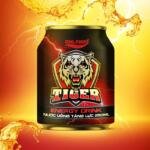
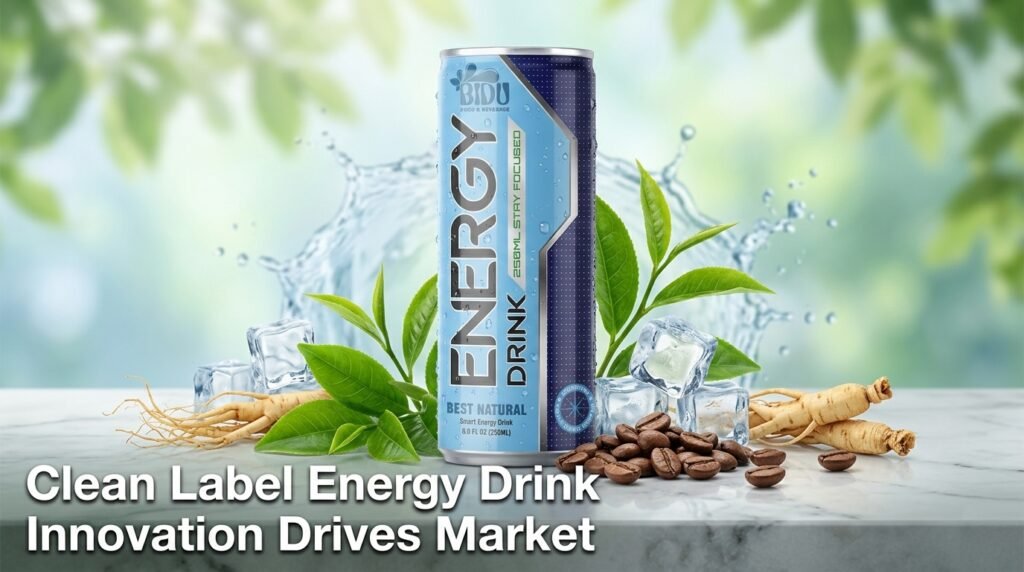
The global beverage industry is undergoing a fundamental transformation as consumers increasingly demand transparency and natural ingredients in every sip. The clean label movement, once a niche preference, has now become a dominant force shaping product development and marketing strategies across all categories, including the high-energy segment. This shift is not merely a passing fad but a structural change driven by a more informed and health-conscious consumer base that scrutinizes ingredient lists and seeks functional benefits without synthetic additives.
This paradigm shift is particularly pronounced in the energy drink market, where traditional formulations reliant on artificial stimulants and sugars are facing mounting pressure. The emergence of clean label energy drinks, such as the Natural Energy Drink Wholesale 250ml Alu-Can, illustrates how manufacturers are redefining the category by leveraging natural caffeine sources, herbal extracts, and transparent sourcing. This trend presents both a challenge and an immense opportunity for beverage companies worldwide, from startups to established multinationals, to capture the growing segment of health-aware consumers.
Contents
- 1 The Clean Label Revolution in Energy Drinks
- 2 OEM/ODM Solutions Accelerate Clean Label Innovation
- 3 Market Outlook: Clean Label Energy Drinks Set to Dominate
- 4 Frequently Asked Questions (FAQ)
- 4.1 What defines a clean label energy drink?
- 4.2 How can distributors benefit from the clean label trend in energy drinks?
- 4.3 What certifications are important for exporting clean label energy drinks?
- 4.4 Can clean label energy drinks provide the same energy boost as traditional ones?
- 4.5 What are the OEM considerations for creating a private label clean energy drink?
The Clean Label Revolution in Energy Drinks
The clean label energy drink segment is expanding rapidly as consumers reject artificial colors, preservatives, and synthetic sweeteners. Market research indicates that the global clean label beverages market is projected to grow at a CAGR of over 6% through 2030, with energy drinks representing a significant portion of that growth. This shift is forcing major brands to reformulate products while creating openings for nimble OEM manufacturers like ACM Food Co., Ltd. to offer innovative natural alternatives.
One of the key drivers behind this trend is the growing awareness of the health implications of synthetic ingredients. Ingredients like taurine, artificial caffeine, and high-fructose corn syrup are increasingly viewed with skepticism. In response, clean label energy drinks are incorporating natural caffeine from green tea or guarana, B vitamins from whole food sources, and electrolytes from coconut water. The natural energy drink 250ml can exemplifies this approach, delivering sustained energy without the crash associated with synthetic formulas.
Consumer Demand for Transparency
Transparency in labeling is no longer optional; it is a prerequisite for brand loyalty. Consumers are reading ingredient lists and demanding verification of claims. This has led to a surge in demand for certifications such as USDA Organic, Non-GMO Project Verified, and clean seal endorsements. For manufacturers, this means investing in supply chain traceability and partnering with ingredient suppliers who adhere to strict quality standards.
Functional Benefits of Natural Energy Drinks
Natural energy drinks offer more than just a caffeine boost; they often include adaptogens, antioxidants, and nootropics that support mental clarity and physical endurance. Products like the Natural Energy Drink leverage ingredients such as green tea extract, ginseng, and B-complex vitamins to provide a balanced energy lift. This functional positioning appeals to professionals, athletes, and students seeking a clean alternative to traditional energy shots.
For illustrative purposes only
OEM/ODM Solutions Accelerate Clean Label Innovation
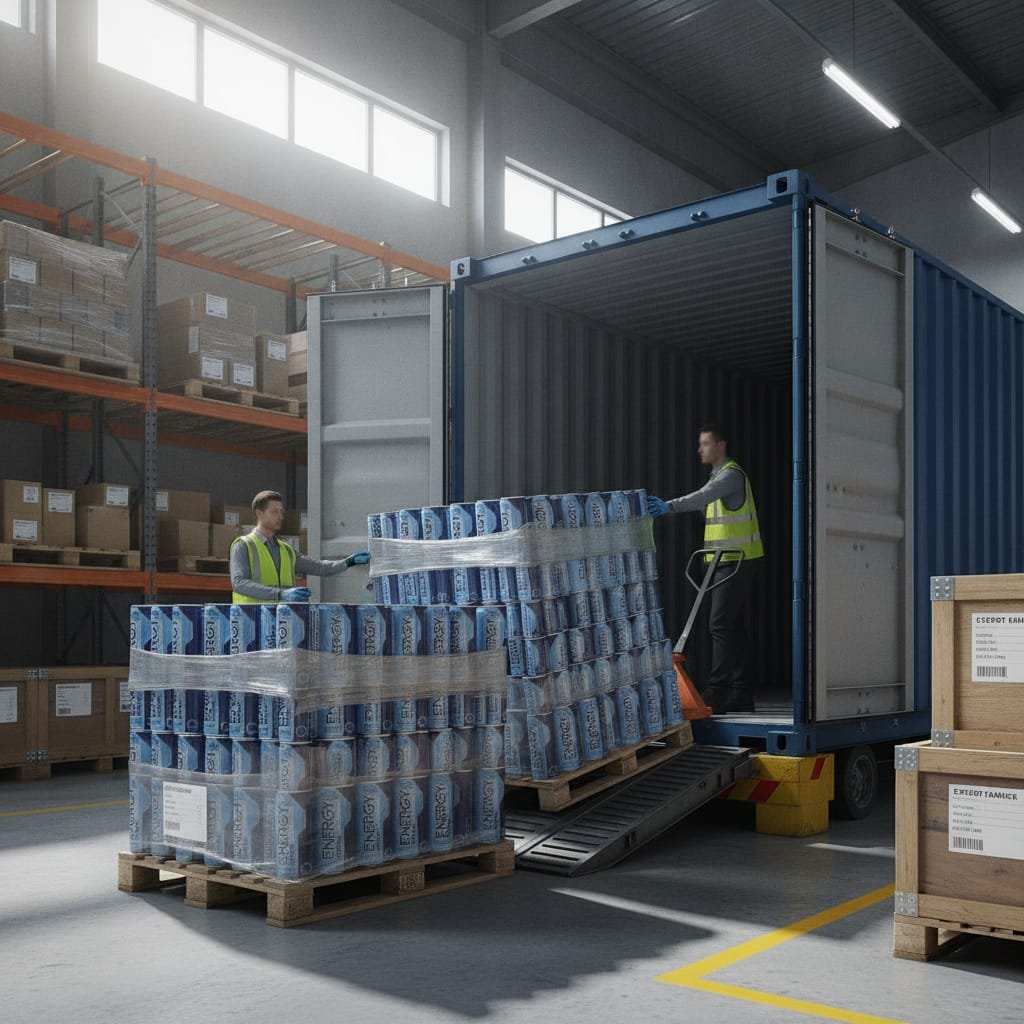
The shift toward clean label energy drinks has created a surge in demand for OEM/ODM partners that can deliver customized formulations quickly and at scale. ACM Food Co., Ltd., the manufacturer behind the BIDU brand, offers a compelling case study in how contract manufacturing can enable brands to capitalize on this trend. With over 10 automated production lines and a monthly export capacity exceeding 300 containers, ACM Food provides the agility that emerging brands require to launch clean label products.
OEM flexibility is a critical advantage for distributors and retailers looking to differentiate their private label offerings. The ability to customize recipe, sweetness level, caffeine content, and packaging format—such as the 250ml aluminum can—allows partners to target specific consumer segments. For instance, a retailer targeting gym-goers might request a version with added electrolytes, while a convenience store chain may prioritize a sleek, pocket-sized can. This level of personalization is only possible through a responsive OEM partner.
Private Label Opportunities in the Clean Energy Segment
The clean label energy drink market is ripe for private label expansion. Supermarket chains, health food stores, and online retailers are increasingly launching their own brands to capture margin and build customer loyalty. ACM Food’s private label services include everything from concept development and formula testing to packaging design and export documentation. This turnkey approach lowers the barrier to entry for businesses that lack in-house R&D capabilities.
For beverage distributors looking to diversify their portfolio, evaluating an OEM partner’s ability to produce small-batch test runs before scaling to full production is a strategic imperative. This reduces financial risk and allows for market testing of new clean label variants. The Natural Energy Drink Wholesale 250ml Alu-Can serves as an ideal base product for private label customization, offering a proven clean label formula that can be adapted to different markets.
Export and Logistics Capabilities
Expanding beyond domestic markets requires a reliable export partner. ACM Food holds international certifications including FSSC 22000, ISO, Halal, and Kosher, which are essential for entry into the US, Europe, and Middle East markets. The company’s logistics network ensures that products like the 250ml energy drink can reach global ports efficiently, with compliance support for labeling regulations such as FDA requirements and EU food law. This global reach is a significant advantage for B2B buyers seeking a single supplier for multiple geographic markets.
Market Outlook: Clean Label Energy Drinks Set to Dominate
The trajectory of the energy drink market points firmly toward natural, clean label offerings. Industry analysts predict that within five years, over half of new energy drink launches will carry a clean label claim. This is driven by younger demographics—particularly Gen Z and Millennials—who prioritize health without compromising on taste or energy. The energy drink category at ACM Beverage is already evolving to meet this demand, with a growing portfolio of natural options.
To stay competitive, brands must align with OEMs that invest in clean label R&D and sustainable packaging. Aluminum cans, like the 250ml format used by BIDU, are not only infinitely recyclable but also preserve product freshness without the need for artificial preservatives. This combination of clean label, functional benefits, and eco-friendly packaging is a powerful value proposition for modern consumers.
Strategic Recommendations for B2B Buyers
For importers and distributors evaluating market entry, the clean label energy drink segment offers a high-growth opportunity with relatively low saturation. Key factors to consider include the OEM’s certification portfolio, minimum order quantities, and ability to support co-branded products. Engaging with a manufacturer like ACM Food, which operates under the energy drink category on BIDU Beverage, provides a direct route to a comprehensive product line that can be tailored to local taste preferences.
As the industry moves toward stricter clean label definitions, early movers that secure partnerships with compliant manufacturers will be best positioned to capture market share. The natural energy drink revolution is not a fleeting trend but a fundamental shift in how energy is delivered to consumers, and the winners will be those who act decisively.
Frequently Asked Questions (FAQ)
What defines a clean label energy drink?
A clean label energy drink typically contains natural caffeine sources such as green tea or guarana, avoids artificial colors, flavors, and preservatives, and uses recognisable ingredients with transparent sourcing.
How can distributors benefit from the clean label trend in energy drinks?
Distributors can differentiate their product portfolio by offering natural energy drinks that appeal to health-conscious consumers, potentially commanding higher margins and building brand loyalty.
What certifications are important for exporting clean label energy drinks?
Key certifications include FSSC 22000, ISO, Halal, Kosher, and often USDA Organic or EU Organic for markets in North America, Europe, and the Middle East.
Can clean label energy drinks provide the same energy boost as traditional ones?
Yes, natural caffeine and herbal extracts can deliver sustained energy without the crash, often with additional functional benefits from adaptogens and B vitamins.
What are the OEM considerations for creating a private label clean energy drink?
Important factors include flexible MOQ, custom formulation capabilities, packaging options like 250ml aluminum cans, and regulatory support for labeling in target export markets.