


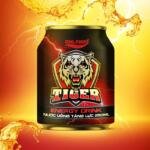
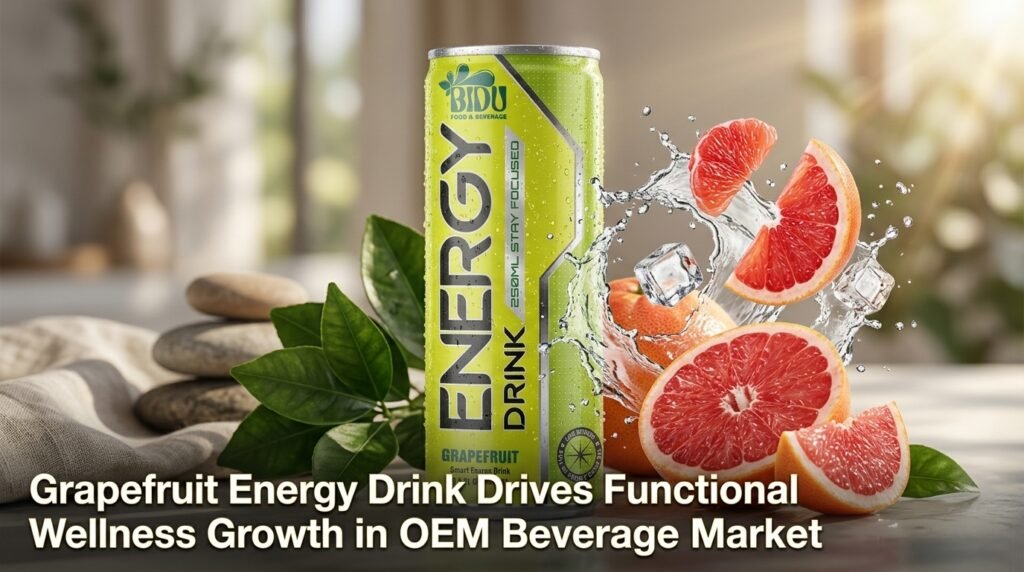
The global shift toward functional wellness is reshaping the energy drink category. Consumers no longer settle for simple stimulants; they demand beverages that support their health goals while delivering the energy boost they need. This transformation has created a fertile market for innovative products like grapefruit-based energy drinks. Grapefruit, known for its antioxidant properties and refreshing bitterness, offers a natural alternative to artificial flavors. Understanding this trend is crucial for industry stakeholders, as the convergence of energy and wellness presents a significant opportunity for OEM manufacturers, private label brands, and distributors to capture a growing segment of health-conscious consumers worldwide.
Contents
- 1 The Rise of Functional Energy Drinks
- 2 Grapefruit’s Unique Position in the Wellness Beverage Landscape
- 3 OEM Manufacturing as a Catalyst for Niche Innovation
- 4 Strategic Implications for Distributors and Importers
- 5 Frequently Asked Questions
- 5.1 What makes the grapefruit energy drink different from traditional energy drinks?
- 5.2 How can OEM manufacturing help enter the functional beverage market?
- 5.3 What certifications are important for exporting energy drinks?
- 5.4 Can the grapefruit energy drink be customized for specific dietary needs?
- 5.5 What is the typical MOQ for private label orders?
- 5.6 How does the 250ml aluminum can format benefit distributors?
The Rise of Functional Energy Drinks
The global energy drink market is undergoing a profound transformation. Consumers now demand more than just a caffeine kick; they seek functional benefits that support overall wellness. This shift has opened new avenues for manufacturers to innovate with natural ingredients and unique flavor profiles. The Grapefruit Energy Drink Wholesale – 250ml Alu-can exemplifies this trend, combining the energizing properties of an energy drink with the perceived health advantages of grapefruit. Grapefruit is rich in vitamin C and antioxidants, which appeal to health-conscious consumers. This product sits at the intersection of convenience, functionality, and wellness, making it a compelling option for brands looking to capture market share in the burgeoning functional beverage segment.
Grapefruit’s Unique Position in the Wellness Beverage Landscape
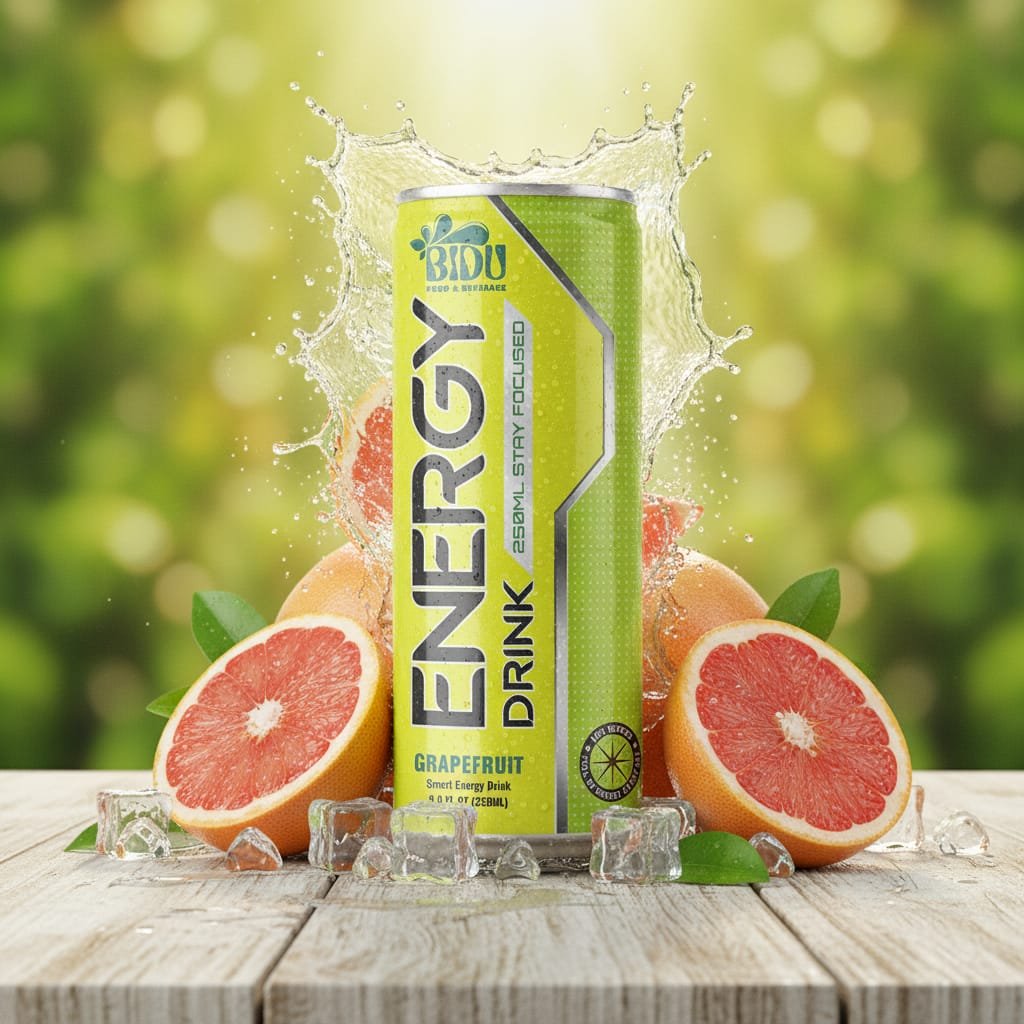
Grapefruit has long been associated with weight management and immune support. Its tart, refreshing taste also makes it a versatile base for beverages. In the context of energy drinks, grapefruit offers a natural alternative to overly sweet, synthetic flavors. This aligns with the clean-label movement, where consumers scrutinize ingredient lists. The grapefruit flavored energy drink 250ml leverages this consumer preference by delivering a zesty, functional elixir without artificial additives. For OEM buyers, this presents an opportunity to differentiate their portfolios with a product that bridges the gap between energy and wellness. The compact 250ml aluminum can format is ideal for on-the-go consumption, a key driver in the RTD sector.
Nutritional Highlights and Functional Claims
Energy drinks typically contain caffeine, taurine, B vitamins, and sometimes herbal extracts. The addition of grapefruit elevates the profile with natural antioxidants. Brands can emphasize the vitamin C content and the low-calorie nature of grapefruit, appealing to dieters and fitness enthusiasts. The product’s positioning as a functional wellness beverage is strengthened by its compatibility with active lifestyles. For private label partnerships, this allows for targeted marketing campaigns around energy, immunity, and metabolism support.
OEM Manufacturing as a Catalyst for Niche Innovation
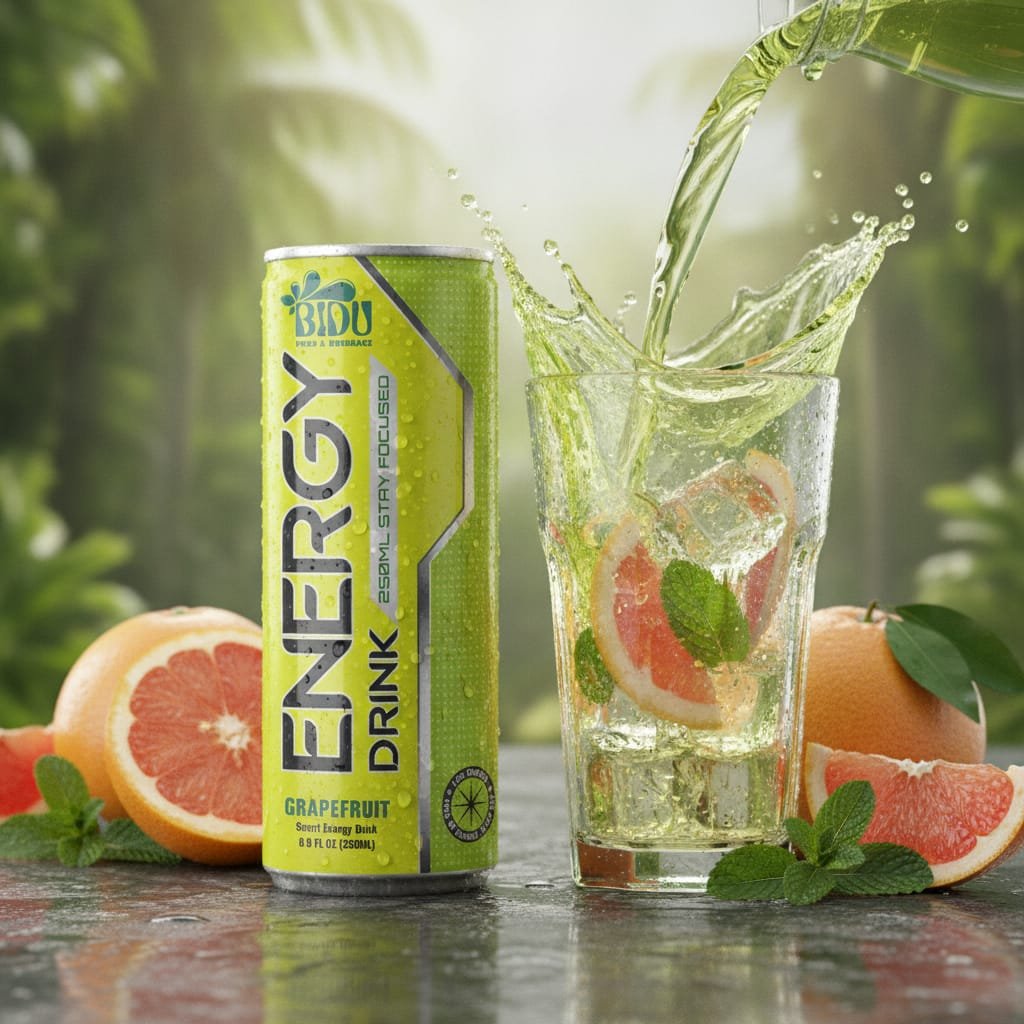
The flexibility of OEM/ODM manufacturing is crucial for bringing niche products like grapefruit energy drinks to global markets. ACM FOOD and its brand BIDU offer extensive customization options, from formula adjustments to packaging design. The energy drink OEM solutions provided by ACM enable distributors to create unique SKUs tailored to regional taste preferences. For instance, Asian markets may prefer a less sweet version, while European buyers might prioritize organic certification. ACM’s facility in Tan Phu Trung Industrial Park is equipped with over 10 automated lines and monthly export capacity of 300+ containers, ensuring scalability. This infrastructure supports low MOQs for pilot runs and high-volume production for established brands. The energy drink category at BIDU further illustrates the breadth of options available, including various can sizes and formulations.
For illustrative purposes only
From Concept to Shelf: Streamlined R&D and Regulatory Support
OEM partners benefit from ACM’s in-house R&D capabilities, which accelerate product development. Sampling and sensory tests ensure the grapefruit flavor profile resonates with target consumers. Additionally, ACM holds certifications like FSSC 22000, ISO, HALAL, and KOSHER, facilitating entry into regulated markets such as the USA, EU, and Middle East. For importers, this reduces the burden of compliance. The ability to produce a clean-label grapefruit energy drink that meets international standards is a competitive advantage. Distributors can leverage this to capture shelf space in health food stores, gyms, and convenience chains.
Strategic Implications for Distributors and Importers
For businesses seeking to expand their beverage portfolio, the functional energy drink segment offers robust growth. The grapefruit energy drink, with its dual appeal of energy and wellness, targets a broad demographic. Importers should consider market trends: in North America, the functional beverage market is projected to exceed $200 billion by 2030, with energy drinks accounting for a significant share. The energy drink wholesale model allows bulk purchasing at competitive pricing, improving margins. Moreover, the aluminum can packaging is infinitely recyclable, aligning with sustainability goals. To capitalize on this, distributors should evaluate the agility of manufacturing partners like ACM, which can adapt quickly to flavor trends and packaging innovations. A strategic partnership with an OEM that offers both flexibility and certifications is a key driver of success in the rapidly evolving beverage landscape.
Frequently Asked Questions
What makes the grapefruit energy drink different from traditional energy drinks?
The grapefruit flavor provides a natural, less sweet taste profile while delivering functional ingredients like caffeine and B vitamins. Its vitamin C content appeals to wellness-focused consumers, setting it apart from conventional options.
How can OEM manufacturing help enter the functional beverage market?
OEM manufacturing allows brands to customize formulations, packaging, and branding without heavy upfront investment. This lowers barriers to entry and enables rapid testing of niche products like grapefruit energy drinks across different regions.
What certifications are important for exporting energy drinks?
FSSC 22000, ISO, HALAL, and KOSHER are critical for accessing markets in the USA, EU, and Middle East. ACM FOOD holds these certifications, ensuring compliance and smoother customs clearance.
Can the grapefruit energy drink be customized for specific dietary needs?
Yes, the formula can be adjusted to reduce sugar, add electrolytes, or increase caffeine content. ACM’s R&D team works with partners to develop variants that cater to local preferences or dietary restrictions.
What is the typical MOQ for private label orders?
ACM offers flexible minimum order quantities, starting from small pilot runs for market testing to full container loads for mass distribution. This flexibility supports both startups and established brands.
How does the 250ml aluminum can format benefit distributors?
The 250ml size is compact and lightweight, ideal for single-serve consumption in gyms, offices, and travel retail. Aluminum cans protect the product from light and oxygen, ensuring longer shelf life and better portability.