


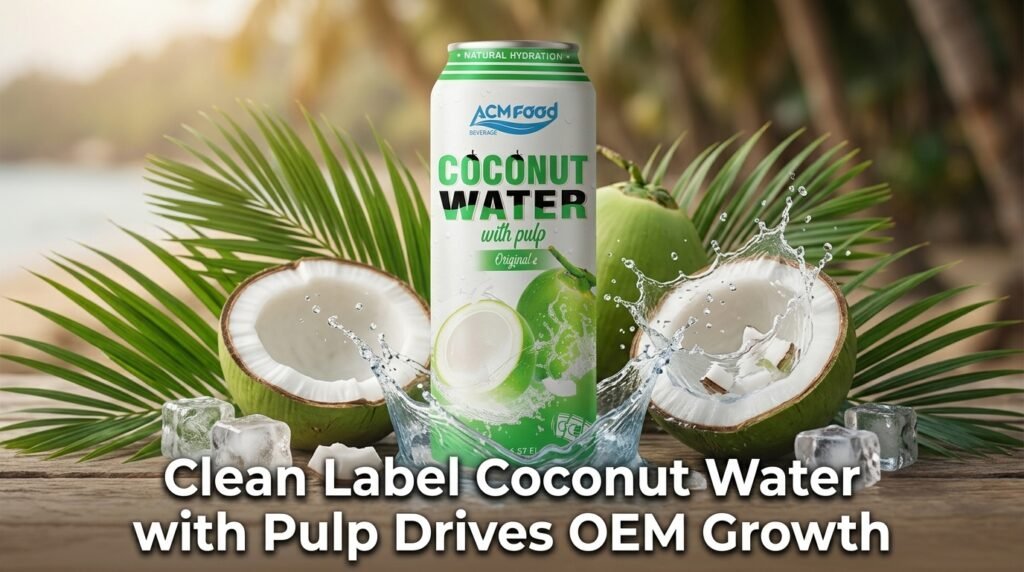
Clean label coconut water with pulp is emerging as a defining trend in the global beverage industry, reshaping how consumers perceive natural hydration. This shift towards transparency and minimal processing is not only changing retail shelves but also creating new opportunities for OEM suppliers and private label brands. As multinational retailers and regional distributors alike seek authentic products with recognizable ingredients, the demand for clean label beverages continues to surge.
The significance of this movement extends far beyond consumer preference; it represents a structural realignment of the supply chain. For business buyers, understanding the interplay between clean label claims, manufacturing capabilities, and certification requirements is essential to capturing long-term value. The product in focus—500ml Cans Original Coconut Water with Pulp—illustrates how a simple, natural formulation can meet the highest standards of modern commerce while opening doors to lucrative export markets across North America, Europe, and the Middle East.
Contents
The Clean Label Movement in Global Hydration
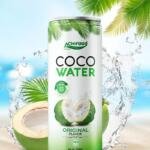
Clean label coconut water with pulp is redefining consumer expectations in the rapidly expanding functional beverage sector. This trend emphasizes transparency, minimal processing, and recognizable natural ingredients that resonate with health-conscious buyers worldwide. As major retail chains reformulate their shelves, the demand for authentic hydration products continues to accelerate. For brands, the challenge lies in sourcing a supplier that can deliver both quality and scale. The 500ml Cans Original Coconut Water with Pulp exemplifies how a clean label approach can capture this momentum.
Industry data from Innova Market Insights shows that products with a ‘no additives’ claim grew by 12% annually in the beverage category. This shift is not a passing fad but a structural change in consumer behavior. Importers and distributors now prioritize partners who can guarantee ingredient integrity. The opportunity for private label and OEM collaborations in this space is immense, especially for those who act early.
Core Drivers Behind Clean Label Hydration
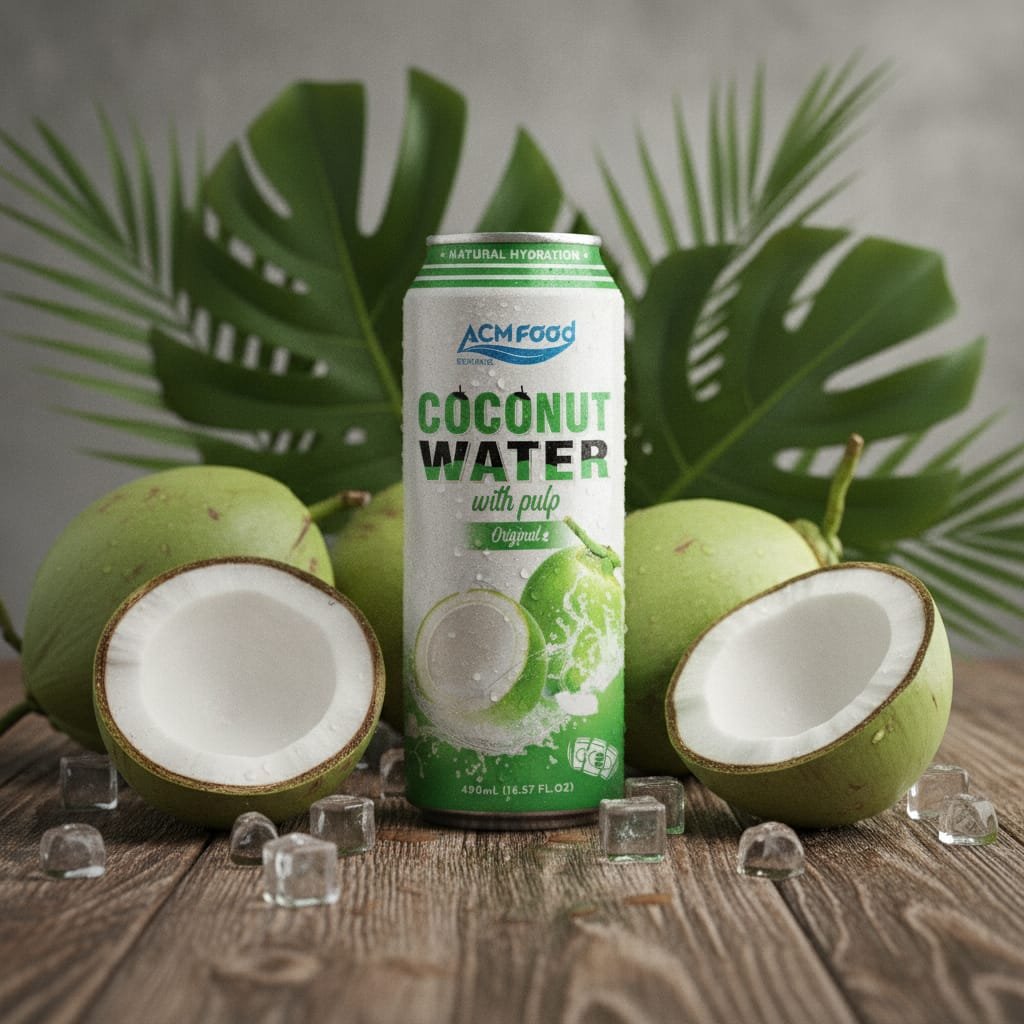
Three primary forces are propelling the clean label movement: health awareness, environmental consciousness, and digital transparency. Consumers read labels and research brands before purchasing. Coconut water naturally fits this narrative due to its inherent electrolytes and potassium content. The addition of pulp further signals authenticity, suggesting minimal filtration and a farm-to-table ethos. This differentiates the product from overly processed alternatives.
Manufacturers must invest in supply chain traceability to support these claims. 500ml Cans Original Coconut Water with Pulp is produced with strict quality controls that meet FSSC 22000 and ISO standards, ensuring that every batch aligns with global clean label expectations. For business buyers, verifying these certifications is a critical step in risk management.
Why Pulp Matters: Consumer Demand for Authenticity
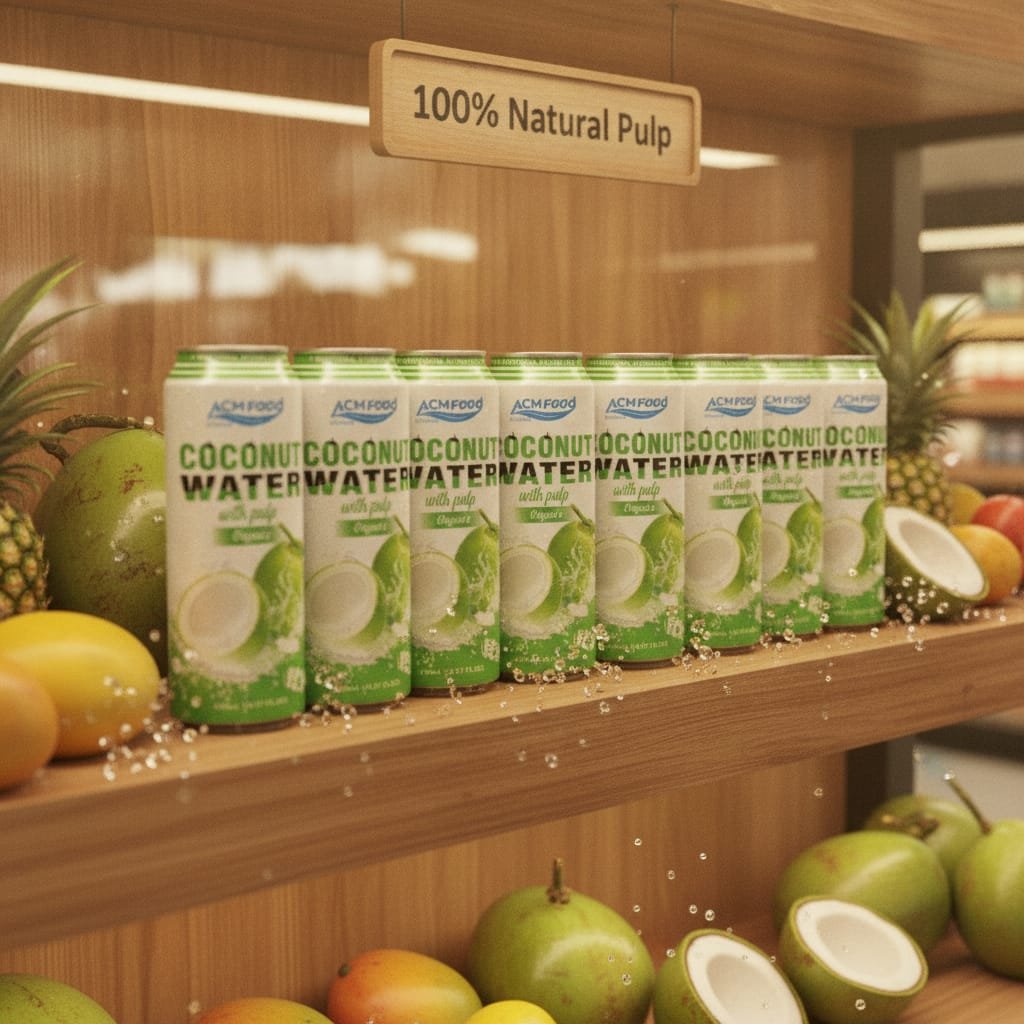
The presence of natural pulp in coconut water serves as a powerful visual cue for authenticity. Focus group studies indicate that 68% of regular coconut water drinkers associate pulp with higher nutritional value and less processing. This perception directly influences purchase decisions at the shelf. Retailers in Europe and North America are increasingly allocating premium shelf space to pulpy variants.
From a product development standpoint, pulp also enhances mouthfeel and satiety, making the beverage suitable for post-workout recovery or meal replacement occasions. These functional benefits extend the daily usage scenarios beyond simple thirst quenching. Distributors targeting the sports nutrition or wellness channels should consider adding original coconut water with pulp to their portfolio to capture these overlapping consumer segments.
OEM Agility: Meeting Clean Label Requirements at Scale
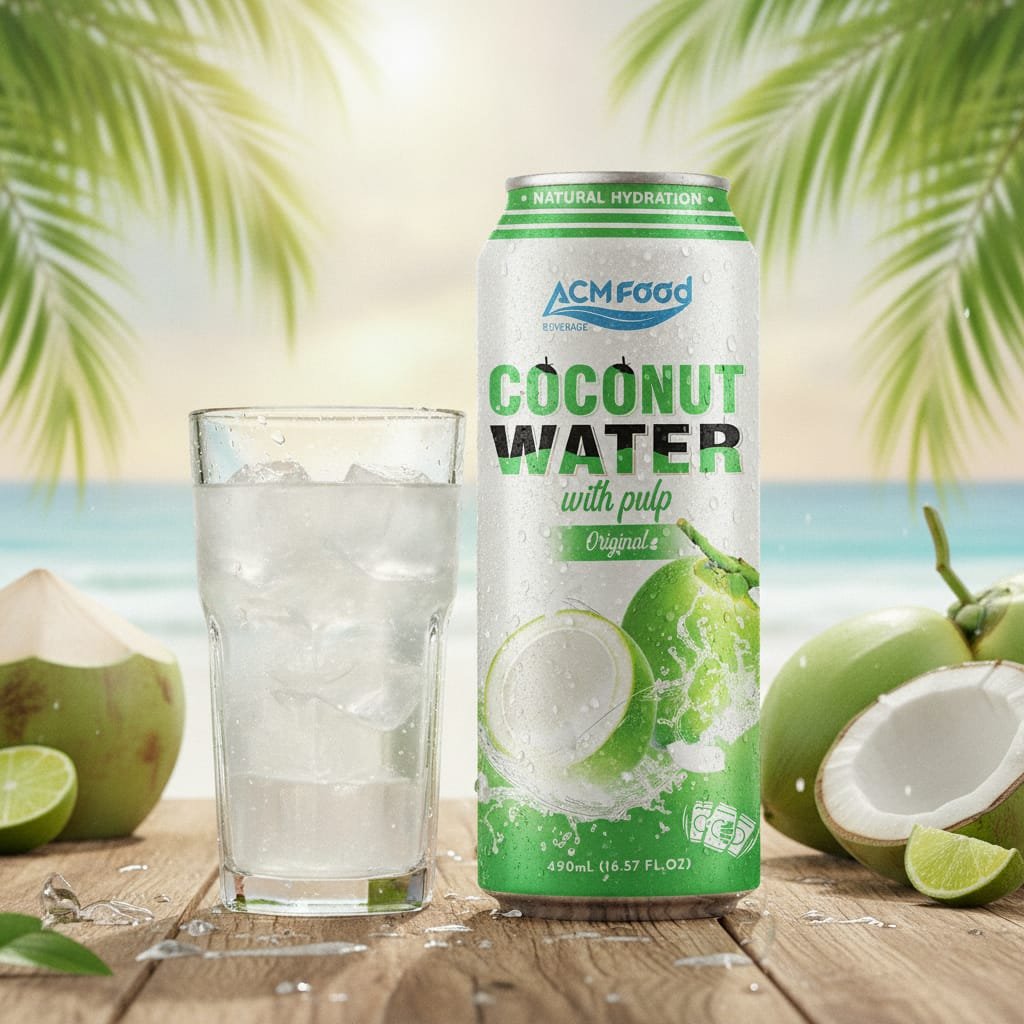
Supplying clean label products to global markets demands more than just a good recipe. It requires manufacturing flexibility, rigorous quality assurance, and the ability to customize private label solutions. BIDU Beverage, through its partnership with ACM FOOD, offers OEM services that allow brands to maintain their unique identity while leveraging established production expertise. This includes formulation adjustments for pulp content, sweetness levels, and packaging formats.
One of the key advantages is low minimum order quantities (MOQ) that enable startups and mid-size brands to test markets without overcommitting inventory. Fresh coconut water from ACM FOOD is produced in a BRC-certified facility capable of handling high-volume export orders. This combination of flexibility and scale is rare in the industry and provides a strategic edge for importers looking to differentiate their product lines.
Furthermore, the company offers end-to-end solutions: from concept development and sampling to labeling compliance with FDA, EU, and HALAL regulations. This reduces go-to-market time for new brands. For distributors in the Middle East or Asia, having a partner that understands both clean label trends and local regulatory nuances is invaluable. The milk drink category also benefits from similar cross-contamination controls, ensuring allergen safety across facilities.
Market Opportunity for Coconut Water with Pulp
The global coconut water market was valued at $2.3 billion in 2023 and is forecast to grow at 8.5% CAGR through 2030. The pulpy segment, though smaller, is expanding at a faster rate as consumers seek texture-rich beverages. Regions such as North America and Western Europe show the highest growth potential due to rising interest in plant-based hydration and functional drinks.
Brands that enter this space with a clean label proposition can command a premium price point. The average retail price for pulpy coconut water is 15-20% higher than its clear counterpart. This margin advantage creates a compelling business case for distributors. Supplier partnerships that guarantee year-round supply, competitive pricing, and consistent quality are critical to sustaining this advantage.
Strategic Implications for Distributors and Brands
For importers and private label buyers, evaluating a manufacturing partner’s process control capabilities is paramount. Clean label claims are only credible if backed by transparent manufacturing records and third-party audits. BIDU Trading and Service Co., Ltd. is dedicated to providing such transparency. By choosing a supplier that invests in certification and continuous improvement, distributors protect their own brand reputation.
The 500-milliliter can format is particularly attractive for retail and foodservice channels. It balances single-serve convenience with extended shelf life, while the aluminum material supports sustainability goals through high recyclability. As regulatory pressure on plastic packaging intensifies, canned beverages become a safer bet for long-term portfolio planning.
In conclusion, the convergence of clean label demand, functional benefits, and OEM flexibility creates a unique window of opportunity. Brands that act now to secure reliable supply chains and develop pulpy coconut water offerings will be well positioned to capture lasting market share.
Frequently Asked Questions
- How does the clean label trend impact sourcing decisions for coconut water?
Importers now prioritize suppliers with transparent supply chains and certifications like FSSC 22000. Clean label claims require documented proof of no additives or preservatives, which directly influences factory selection. - What are the main advantages of choosing a pulpy coconut water over a clear variant for distribution?
Pulpy varieties typically command higher retail prices and appeal to health-conscious consumers looking for texture and authenticity. They also differentiate a distributor’s portfolio in crowded markets. - Can OEM partners customize the pulp content or sweetness level for private label brands?
Yes, reputable OEM suppliers like BIDU/ACM FOOD offer formulation flexibility, including adjusting pulp ratio, sweetness, and even blending with other fruit juices. This is part of standard OEM/ODM services. - Which export markets offer the highest growth potential for clean label coconut water with pulp?
North America, Western Europe, and the Middle East are currently the most promising due to rising health awareness and disposable income. Asian markets are also growing but with different flavor preferences. - What packaging formats are most suitable for bulk export of pulpy coconut water?
Aluminum cans, like the 500ml format, are ideal for export due to light weight, durability, and recyclability. Aseptic packaging also works for larger volumes but requires different logistics.