


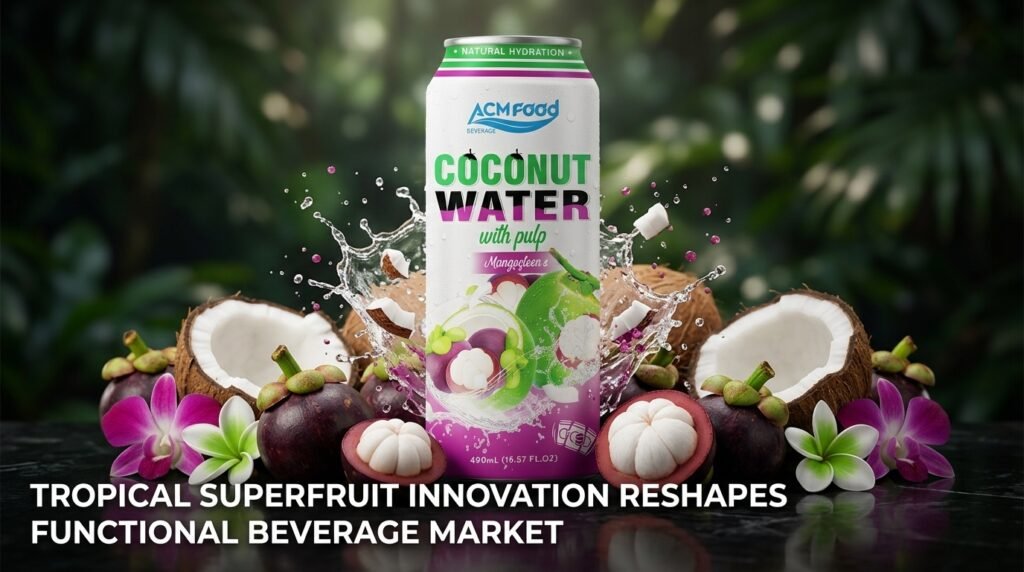
The functional beverage industry is undergoing a seismic shift as consumers demand drinks that deliver both hydration and health benefits from natural sources. Tropical superfruits have emerged at the forefront of this evolution, offering dense nutritional profiles combined with exotic appeal that resonates globally. Among these, the combination of coconut water and mangosteen represents a particularly potent innovation, marrying electrolyte-rich hydration with potent antioxidant properties.
For beverage manufacturers and distributors navigating this rapidly growing segment, understanding the strategic implications of tropical superfruit innovation is no longer optional—it is essential for portfolio competitiveness. This article examines how the rise of products like Coconut Water Mangosteen 500ml Alu-Can – OEM Supplier is reshaping market dynamics and creating new opportunities for B2B partners worldwide.
Contents
The Rise of Tropical Superfruits in Functional Beverages
Tropical superfruit innovation is driven by a convergence of consumer trends toward clean label ingredients, functional benefits, and sensory novelty. Mangosteen, often called the “queen of fruits,” contains xanthones—naturally occurring compounds studied for anti-inflammatory and antioxidant effects. When combined with the natural electrolytes in coconut water, this pairing offers a functional beverage that appeals to health-conscious consumers across multiple demographics.
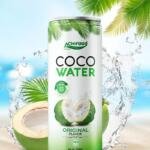
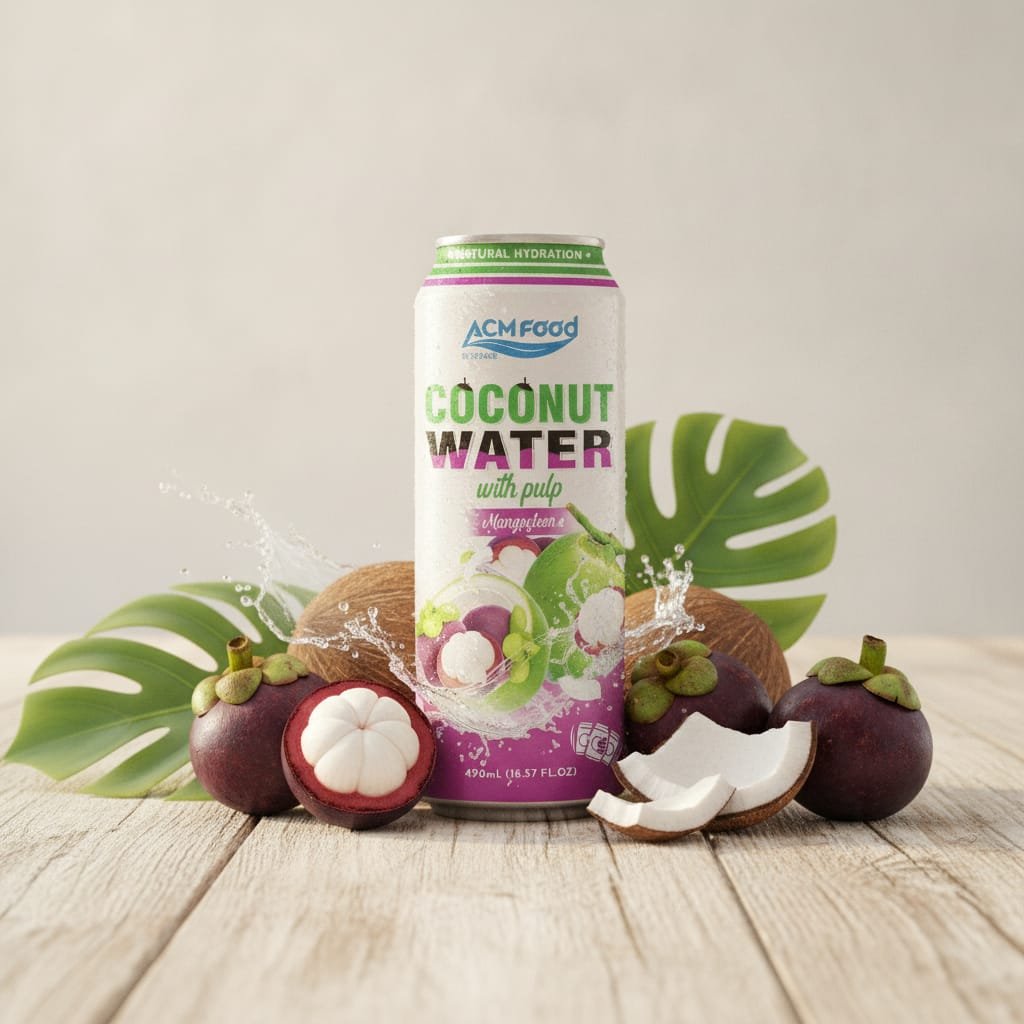
Global market data underscores this shift: the functional beverage sector is projected to exceed $300 billion by 2030, with tropical fruit variants growing at double-digit rates. Brands that can leverage tropical superfruit innovation to differentiate their portfolios gain a distinct competitive advantage. The 500ml aluminum can coconut water with mangosteen pulp exemplifies how format and ingredient synergy meet modern consumer expectations.
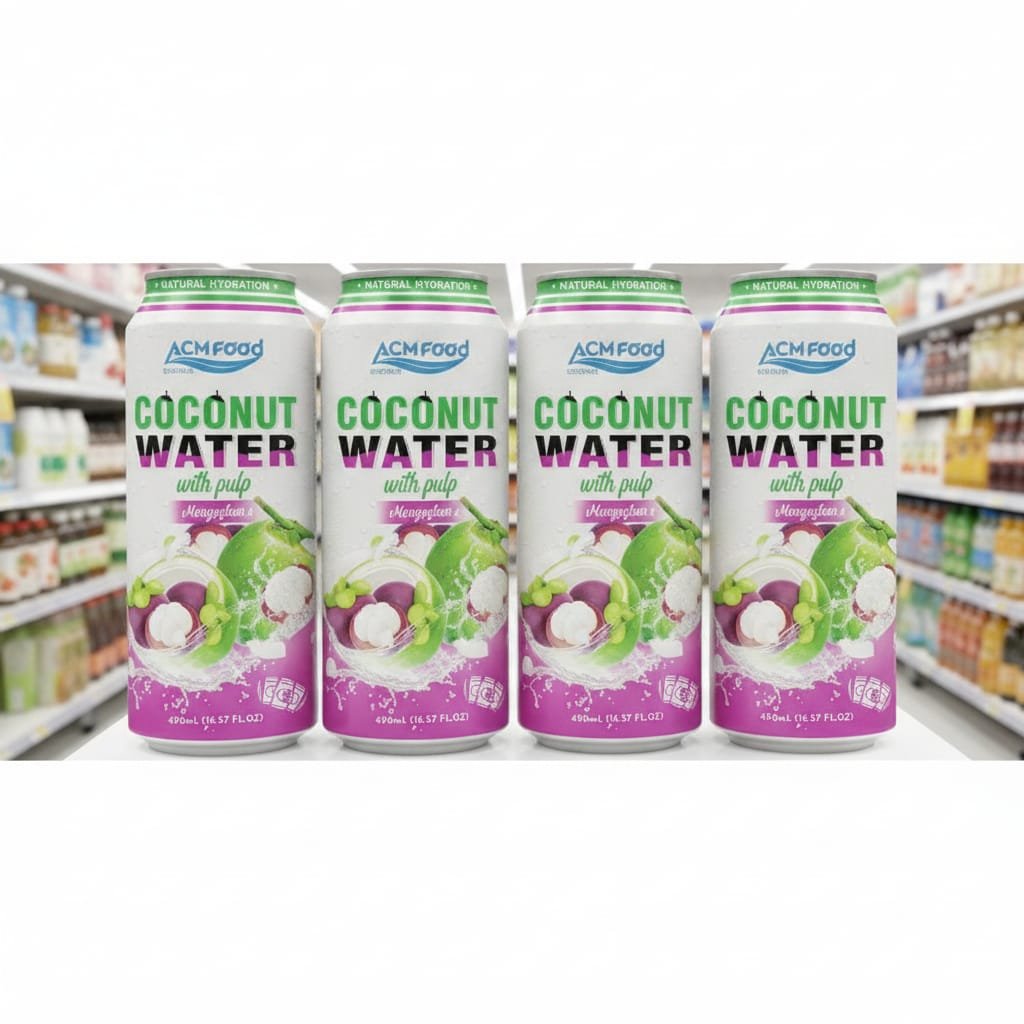
Retailers and distributors are increasingly seeking products that offer a clear point of difference on crowded shelves. The visual and functional appeal of a vibrant purple-tinged beverage derived from mangosteen pulp creates instant shelf impact.
Consumer Awareness and Clean Label Trends
Today’s beverage buyers scrutinize ingredient lists more carefully than any previous generation. They seek transparency and naturalness, avoiding artificial additives. Tropical superfruit innovation aligns perfectly with this clean label movement because whole fruit extracts and natural water sources require minimal processing.
Mangosteen is rarely used in mass-market beverages, making its appearance in canned coconut water a mark of premium positioning. For OEM suppliers, this represents an opportunity to offer clients a product that taps into the superfruit trend while maintaining manufacturing simplicity and cost efficiency.
Why Coconut Water and Mangosteen Form a Powerful Functional Pair
Coconut water has long been recognized for its rehydration properties, containing five essential electrolytes in a naturally isotonic balance. Mangosteen contributes additional bioactive compounds without overshadowing the subtle sweetness of the base. The synergy creates a functional beverage that supports exercise recovery, general wellness, and daily hydration needs.
Clinical research on mangosteen extracts has shown promise in reducing oxidative stress markers, making the fruit a valuable addition to the functional beverage toolkit. When packaged in a convenient 500ml aluminum can, this combination becomes portable, durable, and ready for retail distribution across channels including gyms, supermarkets, and convenience stores.
Electrolyte Profile Meets Antioxidant Power
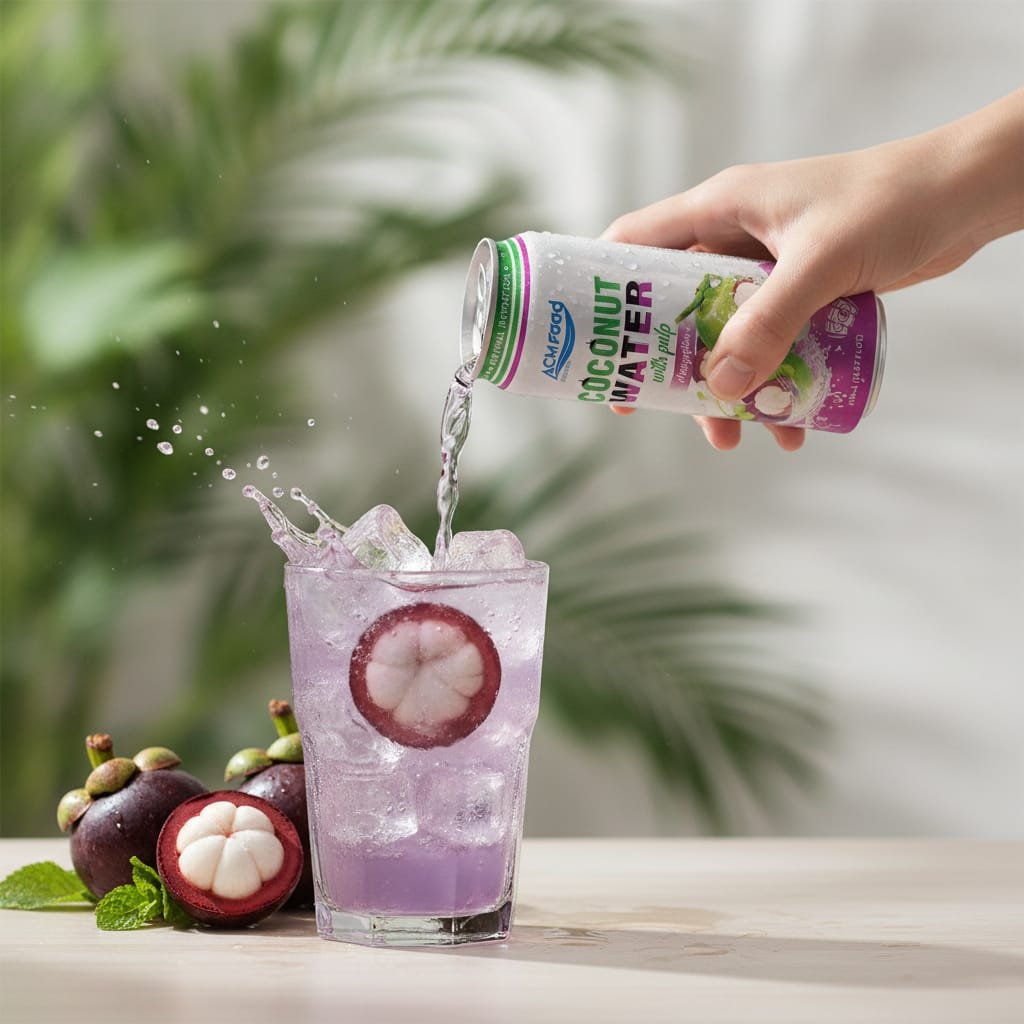
The functional benefits of this pairing extend beyond simple hydration. Potassium from coconut water supports muscle function and blood pressure regulation, while mangosteen’s xanthones may help modulate inflammatory responses. This dual-action positioning allows marketers to address multiple consumer pain points with a single product.
For B2B partners evaluating product development, this ingredient synergy reduces the need for additional fortification, streamlining formulation and keeping production costs manageable. The OEM supplier approach allows brands to enter the market with a ready-made, tested formula that meets international quality standards.
ACM Food’s manufacturing capabilities include FSSC 22000 and organic certifications, ensuring that private label clients receive products that meet strict regulatory requirements for export to the US, EU, and Middle East.
OEM Opportunities in the Tropical Superfruit Segment
Tropical superfruit innovation creates a natural entry point for OEM/ODM partnerships. Many global brands prefer to outsource production to specialized manufacturers with deep expertise in tropical fruit processing. ACM Food, operating from its Cu Chi factory, offers a comprehensive service from concept development to final packaging.
The flexibility to produce small MOQs for market testing, scale up to container-level volumes, and adapt packaging formats—from 250ml to 1 liter—allows distributors to minimize risk while maximizing speed to market. The coconut water mangosteen in 500ml aluminum can is a prime example of how a standard format can be customized with label design and flavor adjustments.
For beverage entrepreneurs and established brands alike, partnering with an experienced OEM supplier reduces the capital expenditure typically required for building production lines. ACM Food’s monthly export capacity exceeds 300 containers, demonstrating the scalability needed for global distribution.
Private Label and Custom Formulation Services
Private label buyers benefit from ACM Food’s R&D capabilities, which can adjust sweetness, pulp content, and additional functional ingredients per client specifications. The mangosteen-coconut water base can be enhanced with vitamins, minerals, or probiotics depending on regional market demands.
This adaptability is crucial in the functional beverage arena, where consumer preferences vary by geography. Markets in Southeast Asia prioritize natural sweetness, while European buyers may prefer reduced sugar options. An agile OEM partner can navigate these nuances without requiring clients to invest in separate research infrastructure.
BIDU Beverage, the trading arm of ACM Food, provides turnkey export services, handling documentation, logistics, and regulatory compliance for markets worldwide.
Market Trends Driving Demand for Superfruit Drinks
Several macro-trends are accelerating the adoption of tropical superfruit beverages. First, the post-pandemic focus on immune health has elevated products with high antioxidant content. Second, the rise of mindful consumption favors drinks with functional claims that are supported by real ingredients rather than synthetic additives.
Third, the premiumization of everyday hydration encourages consumers to trade up from plain water to elevated beverage experiences. The 500ml aluminum can format positions the product as a premium single-serve option, commanding higher price points while offering superior shelf stability compared to plastic or glass.
Retailers in North America and Europe are expanding their functional beverage sections to include more tropical offerings, recognizing the growing multicultural consumer base that seeks familiar flavors from home regions. The fresh coconut water category has seen steady growth of 8-10% annually in developed markets, with mangosteen variants growing even faster from a smaller base.
Distributors who act early to secure supply chains for niche tropical ingredients will be better positioned to capture market share as competition intensifies.
Sustainability and Packaging Considerations
Aluminum cans offer a sustainable packaging solution with high recycling rates and low carbon footprint during transportation. The 500ml size is ideal for single servings without excess waste. ACM Food’s commitment to sustainable sourcing of coconut water and mangosteen aligns with corporate sustainability goals of many international buyers.
The milk drink category at ACM Food showcases the company’s versatility in handling different beverage bases, but the core expertise in tropical fruit processing remains a competitive differentiator.
How to Partner with an OEM Supplier for Custom Formulations
The process of launching a private label tropical superfruit beverage begins with a discovery call to discuss target markets, price points, and flavor profiles. ACM Food provides samples after initial consultation, allowing clients to evaluate the product before committing to production.
Minimum order quantities are flexible, with options for trial runs as low as a few pallets. Once the formula is validated, scaling up to full container loads becomes straightforward, with lead times of 30-45 days depending on complexity.
Quality assurance is maintained through FSSC 22000 and ISO certifications, with third-party testing for microbiological safety and nutritional accuracy. For organic claims, USDA and EU organic certifications are available. Halal and Kosher certifications open doors to Middle Eastern and Jewish markets respectively.
Logistics support includes consolidation services, customs brokerage, and door-to-door delivery to any port worldwide. The combination of tropical superfruit innovation with comprehensive OEM support creates a compelling value proposition for B2B buyers.
For distributors seeking to differentiate their portfolio, evaluating a manufacturing partner with proven expertise in tropical superfruit innovation is a strategic imperative. The first movers in this segment will define consumer expectations for years to come.