


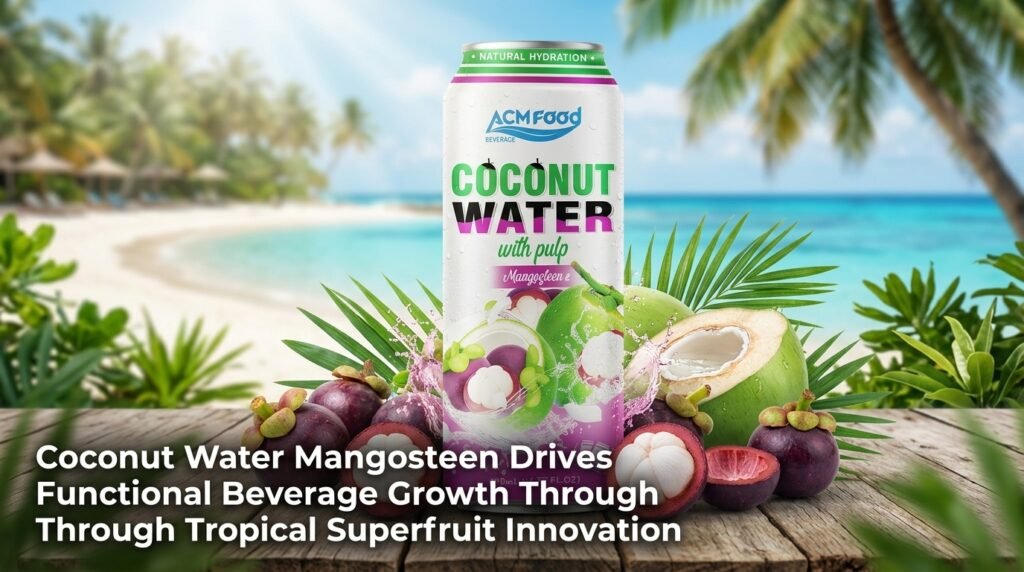
Global demand for functional beverages is surging as health-conscious consumers seek natural hydration with added nutritional benefits. The emergence of tropical superfruits like mangosteen is reshaping product development strategies, offering potent antioxidants and unique flavor profiles that differentiate brands in a crowded market. For industry players, understanding how to leverage these ingredients is crucial for capturing growth in the premium wellness segment.
This shift presents a strategic opportunity for OEM manufacturers and distributors to innovate with ready-to-drink formulations. The combination of coconut water’s electrolyte-rich base with mangosteen’s high xanthone content creates a compelling functional drink that aligns perfectly with the clean-label and superfruit trends. Analyzing this product category provides valuable insights for B2B audiences seeking to expand their portfolios.
Contents
- 1 Why Mangosteen Is the Next Breakthrough Superfruit in Beverages
- 2 OEM and Private Label Opportunities in the Functional Beverage Space
- 3 Market Growth Drivers and Consumer Behavior Insights
- 4 Sustainability and Packaging Innovation in the Beverage Industry
- 5 Strategic Takeaways for Distributors and Importers
- 6 Frequently Asked Questions
- 6.1 What are the main health benefits of coconut water with mangosteen?
- 6.2 How can OEM manufacturers help with market entry for new brands?
- 6.3 What certifications are important for exporting functional beverages to Europe or the US?
- 6.4 Why is the 500ml aluminum can a preferred format for export?
- 6.5 What trends are driving growth in the coconut water segment?
Why Mangosteen Is the Next Breakthrough Superfruit in Beverages
Coconut water mangosteen products are gaining traction because mangosteen offers unique bioactive compounds called xanthones, which are powerful antioxidants. Scientific research links these compounds to anti-inflammatory and immune-boosting properties, making them highly attractive for health-focused consumers. The fruit’s exotic appeal also drives curiosity and trial, especially in markets like North America and Europe where it is less common.
Nutritional Profile and Consumer Appeal
Mangosteen is rich in vitamin C, fiber, and essential minerals, complementing coconut water’s natural potassium and magnesium. This synergy creates a beverage that supports hydration while delivering functional benefits. For OEM partners, formulating with real fruit pulp and natural flavors meets the demand for authenticity and transparency in ingredient sourcing.
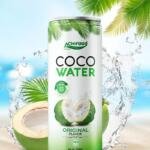
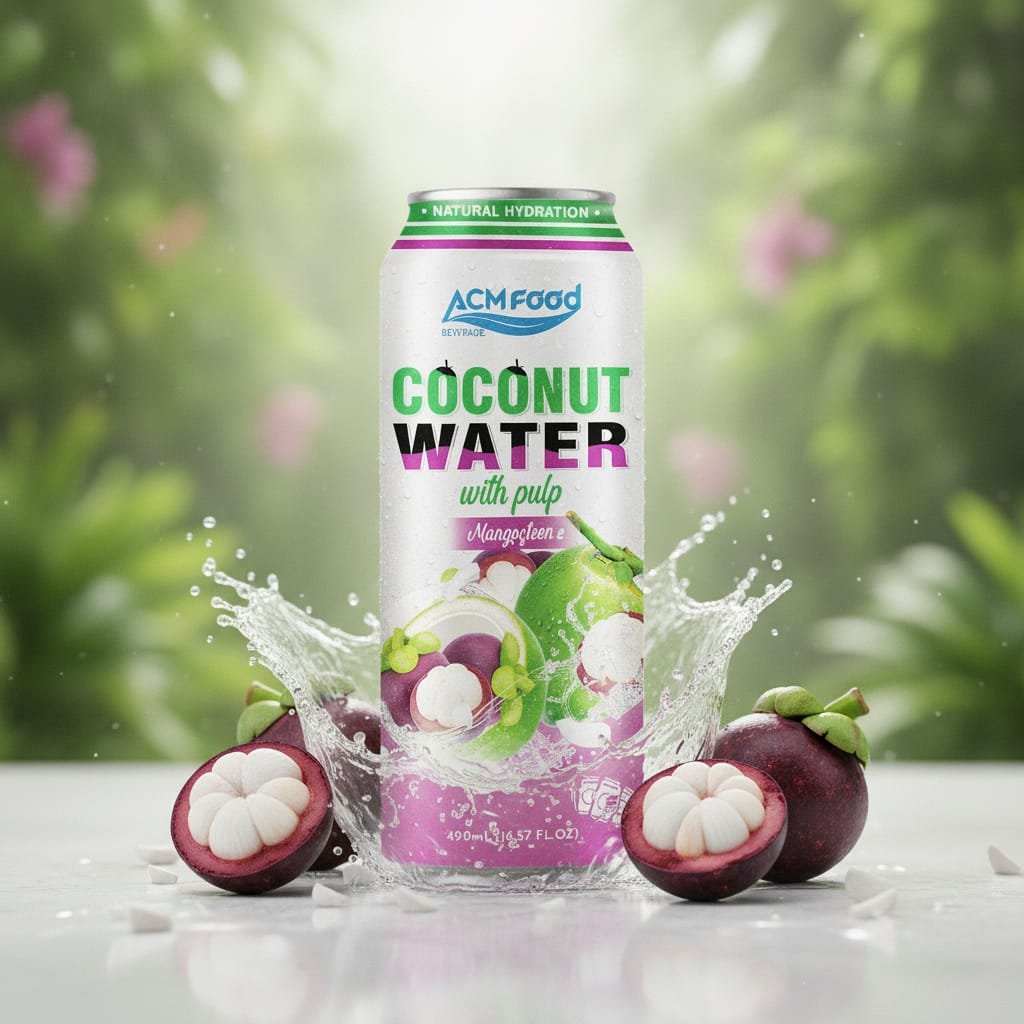
Market data shows that superfruit-flavored functional waters grew by over 15% globally in 2023, with coconut water variants leading the segment. The Coconut Water Mangosteen 500ml Alu-Can exemplifies this trend, combining convenience packaging with premium positioning. Distributors targeting the wellness aisle can leverage this product to attract discerning buyers.
OEM and Private Label Opportunities in the Functional Beverage Space
For businesses looking to enter or expand in the functional drink market, OEM partnerships offer a fast track to product launch. The ability to customize formulations, packaging, and branding without heavy upfront investment in R&D is a key advantage. Flexible MOQ arrangements allow smaller brands to test markets with limited risk.
How OEM Flexibility Supports Market Entry
Manufacturers like ACM FOOD provide turnkey solutions from concept to container. Their expertise in sourcing tropical ingredients ensures consistent quality and supply chain reliability. Private label clients can adapt the coconut water with mangosteen base to create unique SKUs tailored to regional tastes, such as adjusting sweetness or adding vitamins. This agility is critical in a market where consumer preferences shift rapidly.
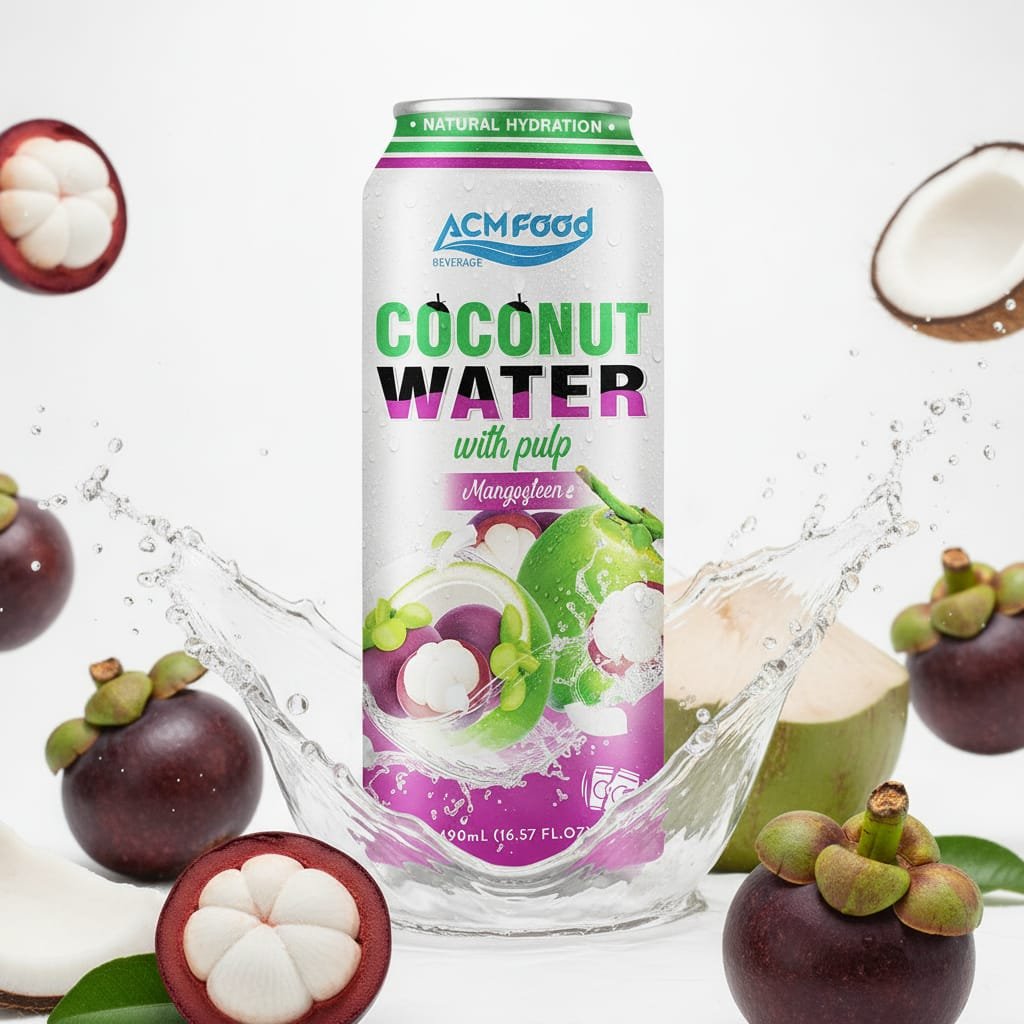
For illustrative purposes only
Export-oriented producers benefit from certifications like FSSC 22000, USDA Organic, and Halal, which open doors to regulated markets in the US, EU, and Middle East. The 500ml aluminum can format is particularly suited for export due to its lightweight, recyclability, and shelf stability. Integrating with a partner that handles logistics and compliance reduces time-to-market significantly.
Market Growth Drivers and Consumer Behavior Insights
Health and wellness trends continue to drive beverage consumption away from sugary sodas toward functional alternatives. The global coconut water market is projected to reach $12.5 billion by 2030, with Asia-Pacific leading production but Western markets showing fastest growth. Mangosteen-infused variants occupy a premium niche, appealing to affluent consumers willing to pay more for exotic superfoods.
Target Demographics and Distribution Channels
Millennials and Gen Z are key adopters, seeking products that combine taste, health, and sustainability. They are also more likely to purchase from brands with transparent sourcing and eco-friendly packaging. Aluminum cans, being infinitely recyclable, align with these values. Retail channels include upscale grocery chains, health food stores, and e-commerce platforms. For distributors, offering a coconut water mangosteen product can differentiate their portfolio and drive foot traffic.
Cross-category expansion is another opportunity. The same base can be used for sparkling versions, blended juices, or sports drinks. Examining the fresh coconut water category reveals a spectrum of possibilities from pure to enhanced varieties.
Sustainability and Packaging Innovation in the Beverage Industry
Environmental concerns are reshaping packaging choices. Aluminum cans offer a lower carbon footprint than plastic or glass, especially when produced with recycled content. The 500ml slim can format reduces material usage while maintaining consumer appeal. OEM partners that prioritize sustainable packaging help brands meet corporate social responsibility goals.
Certifications and Compliance for Global Markets
Products like the Coconut Water Mangosteen 500ml Alu-Can come with necessary certifications for export. FSSC 22000 ensures food safety; Halal and Kosher open Middle Eastern and Jewish markets. Compliance with FDA and EU labeling regulations is handled by experienced OEMs, reducing the risk of costly rejections at customs. This is especially important for brands entering multiple geographies simultaneously.
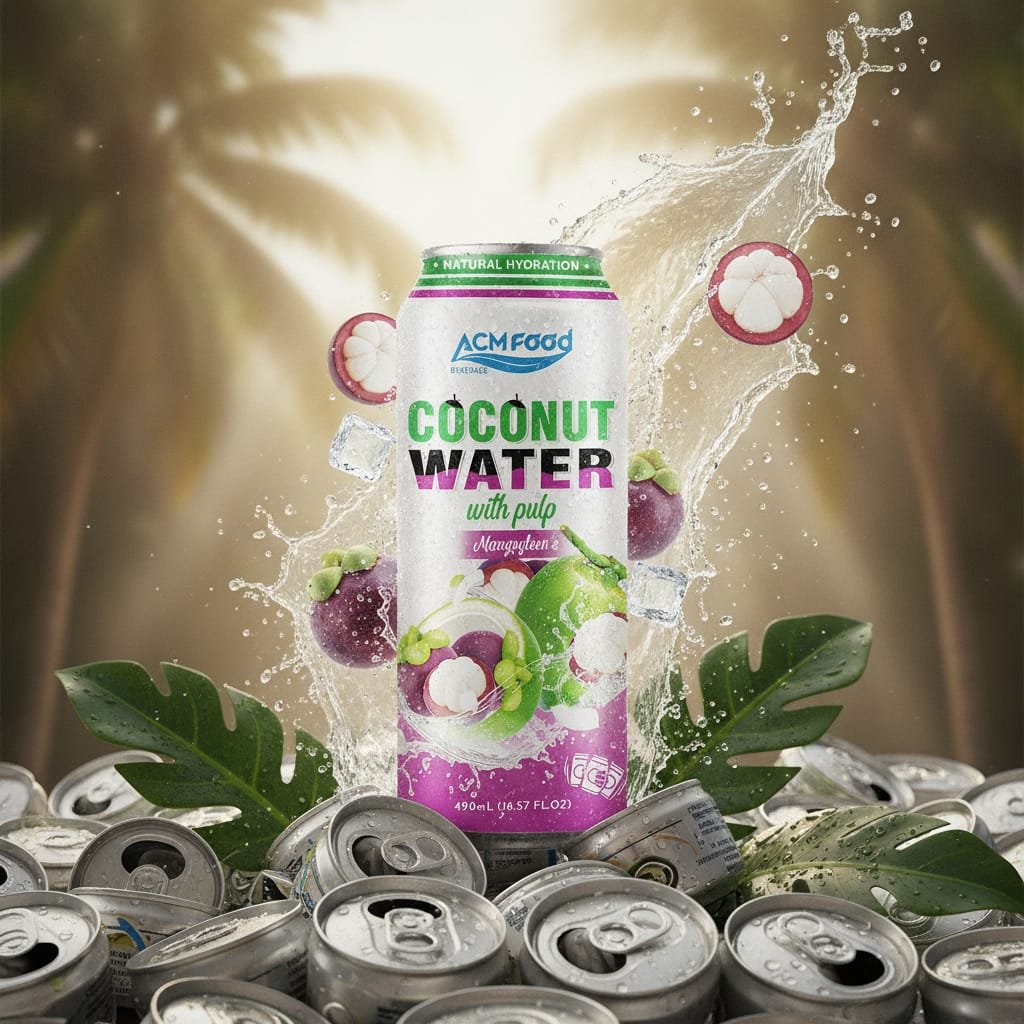
For illustrative purposes only
Combining sustainable packaging with functional ingredients creates a strong value proposition. For B2B buyers, evaluating a supplier’s overall product ecosystem can reveal cross-selling opportunities beyond coconut water. A strategic partner can handle everything from formulation to shipping.
Strategic Takeaways for Distributors and Importers
Investing in superfruit-based functional waters requires thorough market analysis. The combination of coconut water and mangosteen addresses two major trends: hydration and antioxidant protection. Products in this space typically command 20-30% price premiums over standard waters, improving margins for retailers. For importers, sourcing directly from Vietnamese OEMs like ACM FOOD offers cost advantages without compromising quality.
To stay competitive, consider launching a private label line under your own brand. Many successful retail chains have done this with OEM support. The key is to choose a partner with proven export experience and flexible MOQ. As the global beverage landscape evolves, agility and innovation will separate leaders from laggards.
Frequently Asked Questions
What are the main health benefits of coconut water with mangosteen?
Coconut water provides natural electrolytes like potassium and magnesium for hydration, while mangosteen adds xanthones—potent antioxidants that support immune function and reduce inflammation. This combination makes it a functional beverage for active lifestyles and wellness-focused consumers.
How can OEM manufacturers help with market entry for new brands?
OEM partners offer end-to-end services including product formulation, packaging design, certification acquisition, and logistics. This allows brands to launch quickly with low capital investment. Many OEMs require minimum order quantities (MOQs) that are manageable for startups, and they can scale production as demand grows.
What certifications are important for exporting functional beverages to Europe or the US?
Key certifications include FSSC 22000 or ISO 22000 for food safety, USDA Organic if claiming organic status, and Halal or Kosher for respective markets. Additionally, compliance with FDA labeling requirements and EU Novel Food regulations is critical. Reputable OEMs typically hold these credentials.
Why is the 500ml aluminum can a preferred format for export?
Aluminum cans are lightweight, reducing shipping costs; they protect against light and oxygen, preserving flavor and nutrients; and they are infinitely recyclable, meeting sustainability goals. The 500ml size is popular for single-serve convenience and fits standard vending and retail shelves worldwide.
What trends are driving growth in the coconut water segment?
Rising health awareness, clean-label preferences, and the search for natural alternatives to sugary drinks are key drivers. Functional enhancements like added vitamins, probiotics, and superfruit flavors (like mangosteen) are expanding the consumer base. The trend toward premiumization also supports higher price points.