



Introduction: The global beverage industry is undergoing a profound transformation as tropical fruit flavors, led by mango, redefine the functional drinks landscape. Consumers are no longer satisfied with simple refreshment; they demand beverages that deliver tangible health benefits while offering exotic taste experiences. This shift has propelled tropical fruit innovation to the forefront of market growth, creating unprecedented opportunities for OEM manufacturers and brand owners alike. BIDU Mango Juice, with its clean label formulation and strategic focus on premium quality, exemplifies how companies can successfully navigate this evolving terrain. Understanding the dynamics of this trend is essential for any business aiming to capture share in the rapidly expanding functional beverage sector.
Contents
- 1 Rising Demand for Tropical Flavors in Functional Drinks
- 2 Case Study: BIDU Mango Juice as a Tropical Innovation Leader
- 3 B2B Strategies for Tropical Functional Beverage Success
- 4 Future Outlook for Tropical Functional Beverages
- 5 Frequently Asked Questions
- 5.1 What is driving the growth of tropical fruit functional beverages?
- 5.2 How can OEM manufacturers ensure consistent quality in mango juice production?
- 5.3 What are the key considerations for B2B buyers entering the tropical beverage market?
- 5.4 Which export markets offer the most potential for mango-based functional drinks?
- 5.5 How will sustainability trends impact the tropical beverage industry?
Rising Demand for Tropical Flavors in Functional Drinks
The global beverage industry is witnessing a paradigm shift as consumers increasingly seek functional drinks that deliver both health benefits and exotic taste experiences. Tropical fruit flavors, particularly mango, have emerged as a dominant force in this transformation, capturing significant market share across North America, Europe, and Asia-Pacific.
According to recent market analyses, the tropical fruit beverage segment grew by 8.4% annually from 2020 to 2024, outpacing traditional fruit juice categories by a wide margin. This surge is driven by a confluence of factors, including rising disposable incomes in emerging economies and a growing awareness of the nutritional properties inherent in tropical superfruits.
Mango, often called the ‘king of fruits,’ stands at the forefront of this trend due to its rich content of vitamins A and C, antioxidants, and digestive enzymes. The versatility of mango allows manufacturers to create products targeting hydration, immunity support, and energy enhancement.
For brands looking to capitalize on this momentum, understanding the supply chain and production capabilities of OEM partners becomes critical. The ability to source high-quality mango puree and maintain consistent flavor profiles across batches is a key differentiator in a crowded market.
Case Study: BIDU Mango Juice as a Tropical Innovation Leader
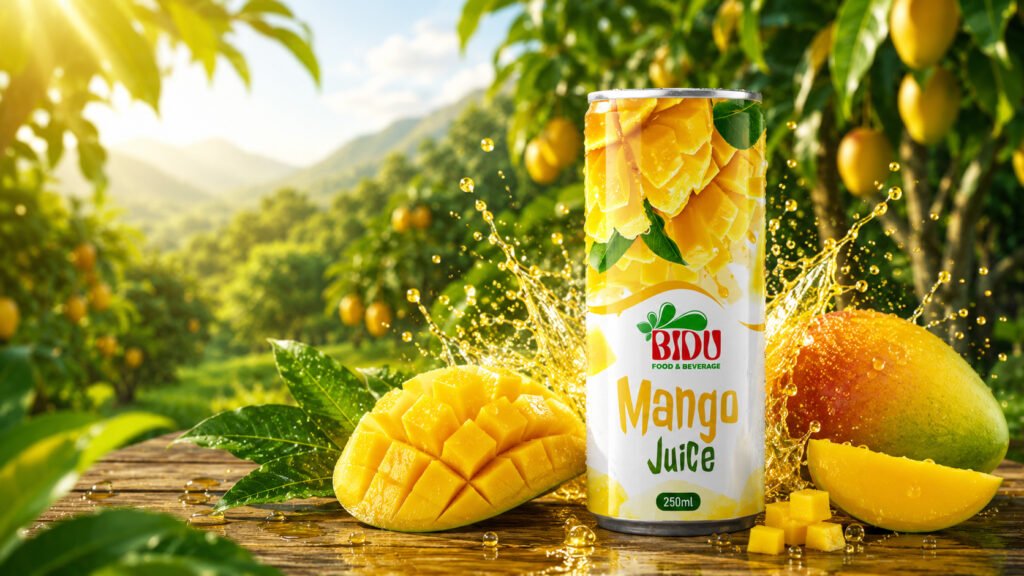
The 250ml BIDU Mango Juice exemplifies how tropical fruit innovation can be effectively commercialized in the functional beverage space. This product combines the natural sweetness of Alphonso mangoes with a clean label formulation, containing no artificial colors or preservatives.
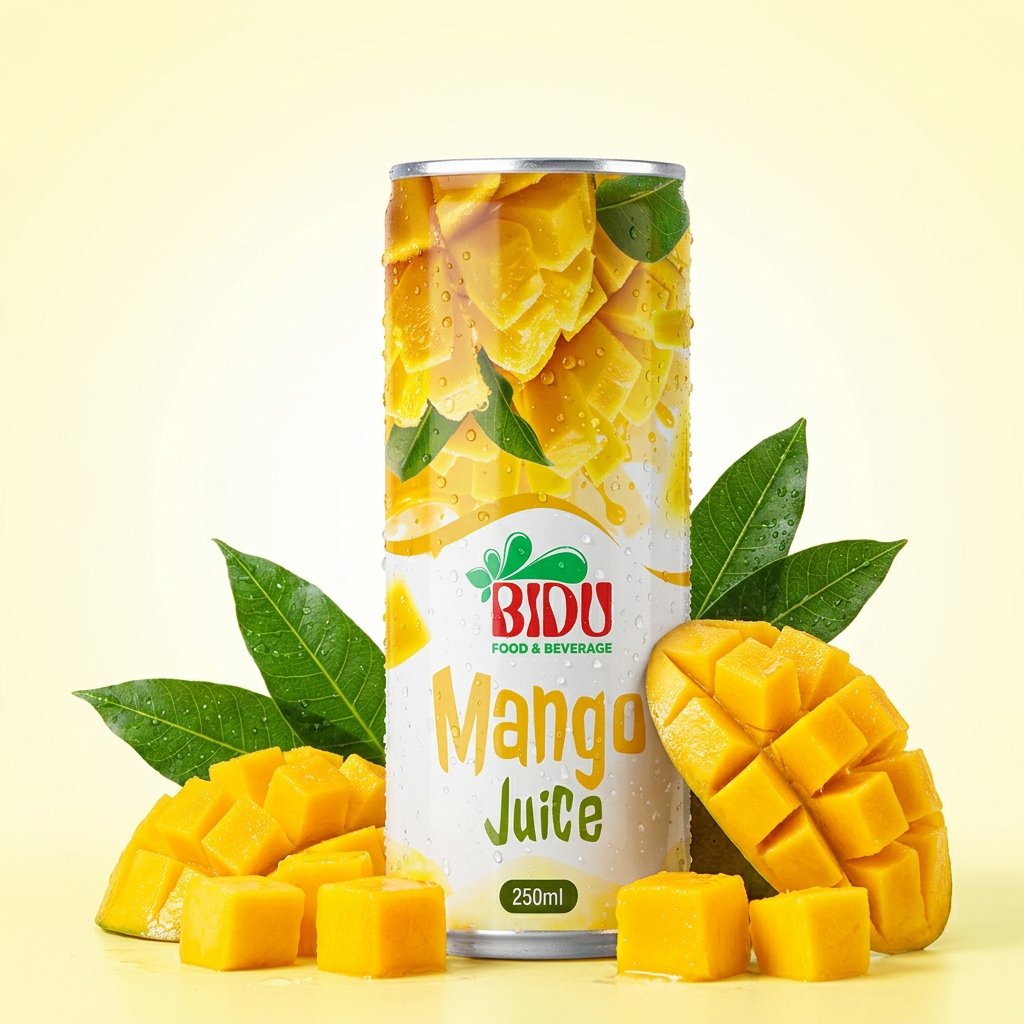
The 250ml PET bottle format caters to on-the-go consumption, a growing consumer preference that has reshaped packaging strategies across the industry. By focusing on a single, premium fruit variant, BIDU positions itself as a specialist in tropical functional drinks, appealing to health-conscious millennials and Gen Z demographics.
The product’s success also highlights the importance of manufacturing agility. As a OEM-driven brand, BIDU leverages flexible production lines that can handle small batch sizes without compromising quality. This capability is particularly valuable for distributors entering new markets, as it reduces inventory risk and allows for rapid product iteration.
Furthermore, the clean label positioning aligns with global regulatory trends, especially in the European Union and North America, where consumers increasingly scrutinize ingredient lists. The BIDU mango juice thus serves as a blueprint for how tropical fruit innovation can be scaled sustainably.
Market Impact and Consumer Behavior Shifts
The rise of functional tropical beverages is fundamentally altering consumer purchasing patterns. Data from Nielsen indicates that 62% of global consumers now actively seek products with functional benefits, with immunity support and digestive health ranking as top priorities. Mango-based drinks, enriched with natural enzymes like amylase and lactase, directly address these needs.
This has led to a proliferation of products in the category, from sparkling mango waters to probiotic mango shots. For OEM manufacturers, this demand creates opportunities to develop proprietary blends that combine mango with other functional ingredients such as turmeric, ginger, or aloe vera.
Distribution channels are also evolving. While traditional retail remains important, e-commerce platforms now account for 22% of functional beverage sales, a share expected to grow to 35% by 2028. This shift favors brands with strong digital marketing capabilities and flexible supply chains. Fresh fruit juice categories, including mango variants, are particularly well-suited for direct-to-consumer models due to their high repeat purchase rates.
Additionally, the sparkling water drink segment has seen crossover innovation, with mango-flavored sparkling waters gaining traction among consumers seeking healthier alternatives to soda.
B2B Strategies for Tropical Functional Beverage Success
For businesses looking to enter or expand in this market, a strategic approach to OEM partnerships is essential. The first consideration is ingredient sourcing. Tropical fruits like mango are subject to seasonal variations and supply chain disruptions, making it crucial to work with manufacturers that have established relationships with reliable growers. BIDU’s supply chain, for instance, sources mangoes from multiple regions to ensure year-round availability. This reduces the risk of price volatility and ensures consistent product quality.
Additionally, OEM partners should offer formulation flexibility, allowing brands to customize sweetness levels, vitamin fortification, and flavor intensity to meet local preferences.
Another critical factor is packaging innovation. The 250ml PET bottle used by BIDU is lightweight, shatterproof, and recyclable, addressing both consumer convenience and sustainability concerns. However, other formats such as aluminum cans, glass bottles, and pouch packs are also gaining popularity. OEM manufacturers that can provide multiple packaging options give their clients a competitive edge.
Furthermore, private label services enable distributors to launch their own mango juice brands without investing in production infrastructure. This is particularly attractive for supermarket chains and online retailers seeking to build exclusive product lines.
Export market selection requires careful analysis of regulatory frameworks and consumer preferences. The United States, for example, has strict labeling requirements for ‘juice’ versus ‘drink’ products, while the European Union mandates specific vitamin and mineral claims. The Middle East and Asia-Pacific markets, meanwhile, show strong demand for premium tropical juices with halal certification.
OEM partners that can navigate these complexities offer immense value to brands aiming for global expansion. For distributors considering their next move, evaluating a manufacturing partner’s agility in low-MOQ production has become a strategic imperative in the fast-moving tropical beverage segment.
Expert Perspectives on Tropical Fruit Innovation
Industry analysts uniformly agree that tropical fruit innovation represents one of the most promising growth vectors in the beverage sector. Dr. Sarah Chen, a food science professor at Cornell University, notes that ‘mango’s enzymatic profile makes it uniquely suited for functional beverage applications, particularly in digestive health and immune support.’ She adds that ongoing research into mango polyphenols could unlock new health claims, further driving market growth.
Similarly, Mark Thompson, a supply chain consultant specializing in tropical fruits, emphasizes the importance of vertical integration: ‘Brands that control their mango sourcing from farm to bottle are better positioned to maintain quality and manage costs.’
These expert insights underscore the need for OEM manufacturers to invest in R&D and quality assurance. BIDU’s approach of using only Alphonso mangoes, known for their superior sweetness and aroma, reflects this commitment.
The company’s in-house laboratory conducts regular testing for purity, nutritional content, and microbial safety, ensuring that every batch meets international standards. Such diligence builds trust with distributors and end consumers alike, establishing a reputation for reliability that is essential in the competitive functional beverage market.
Future Outlook for Tropical Functional Beverages
The next three to five years will witness accelerated innovation in tropical functional beverages, driven by advances in processing technology and changing consumer lifestyles. High-pressure processing (HPP) is expected to become more widespread, allowing manufacturers to extend shelf life without compromising nutritional quality.
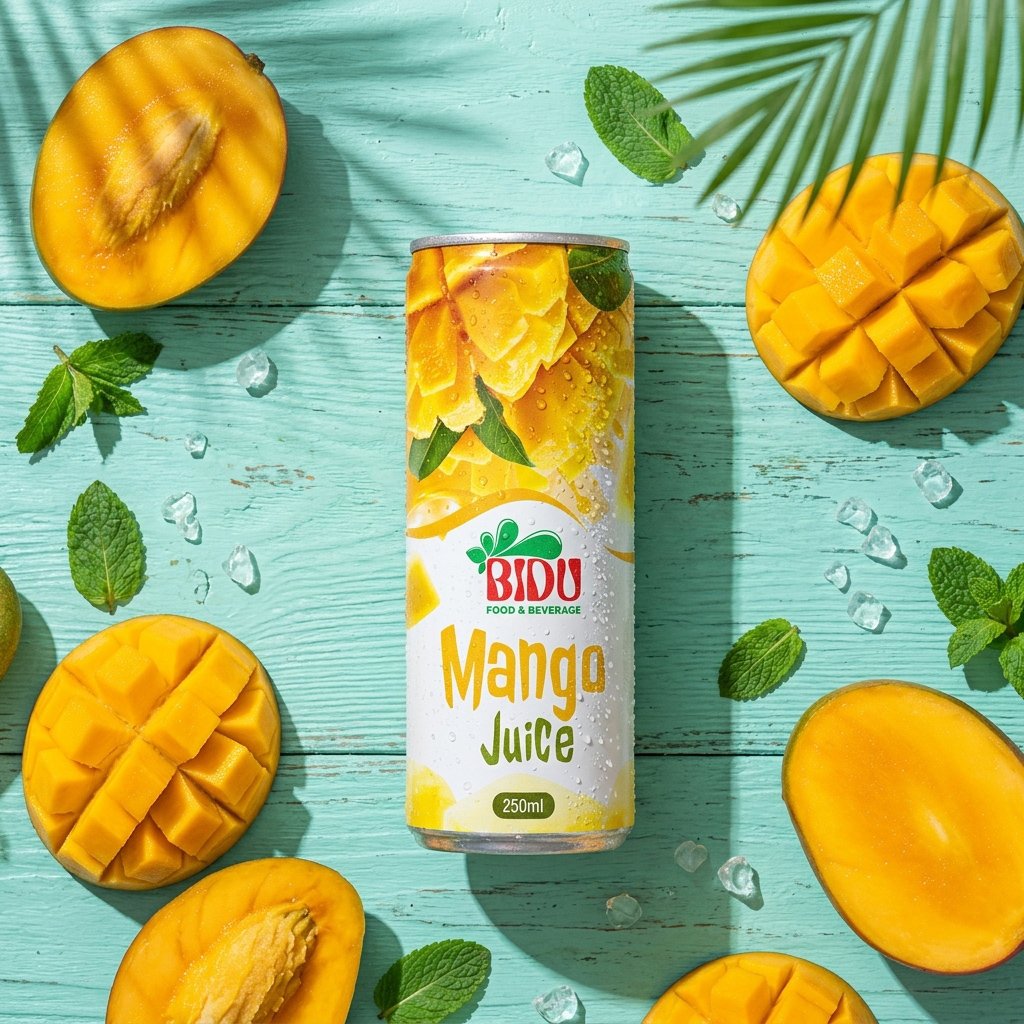
This will enable broader distribution, particularly in regions with less developed cold chain infrastructure. Additionally, the integration of adaptogens and nootropics with tropical flavors is likely to create new subcategories targeting stress relief and cognitive function. Mango and ashwagandha, for example, is a combination already gaining traction in premium health food stores.
Sustainability will also play an increasingly central role. Consumers are demanding transparency in sourcing and packaging, with 73% willing to pay a premium for environmentally responsible products. OEM manufacturers that adopt regenerative agriculture practices for mango cultivation, or switch to biodegradable packaging materials, will have a significant competitive advantage.
BIDU’s use of recyclable PET bottles and its commitment to reducing water usage in production aligns with these trends, positioning the brand favorably for future growth. The convergence of tropical fruit innovation, functional benefits, and sustainability creates a powerful value proposition that savvy distributors cannot afford to ignore.
Frequently Asked Questions
What is driving the growth of tropical fruit functional beverages?
The growth is driven by consumer demand for natural, healthy drinks with exotic flavors. Tropical fruits like mango offer high nutritional value and versatile functional benefits. Rising incomes in emerging markets also contribute to increased consumption.
How can OEM manufacturers ensure consistent quality in mango juice production?
Consistency requires strict sourcing protocols, regular testing of raw materials, and advanced processing technologies. Manufacturers should maintain relationships with multiple suppliers to mitigate seasonal variations. In-house quality control labs are essential for monitoring purity and nutritional content.
What are the key considerations for B2B buyers entering the tropical beverage market?
Buyers should evaluate OEM partners on ingredient sourcing, formulation flexibility, packaging options, and regulatory compliance. Low MOQ capabilities are crucial for testing new markets. Private label services can accelerate time-to-market without significant capital investment.
Which export markets offer the most potential for mango-based functional drinks?
The United States, European Union, Middle East, and Asia-Pacific regions show strong demand. Each market has specific regulatory requirements and consumer preferences. Halal certification is important for Middle Eastern markets, while clean label claims resonate in Europe and North America.
How will sustainability trends impact the tropical beverage industry?
Sustainability will influence sourcing, packaging, and production methods. Regenerative agriculture and biodegradable packaging are becoming differentiators. Companies that adopt eco-friendly practices can command premium prices and build brand loyalty among environmentally conscious consumers.