


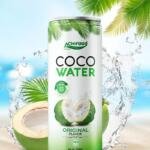
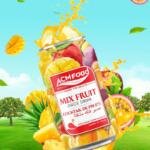
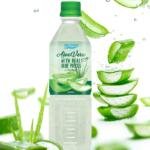


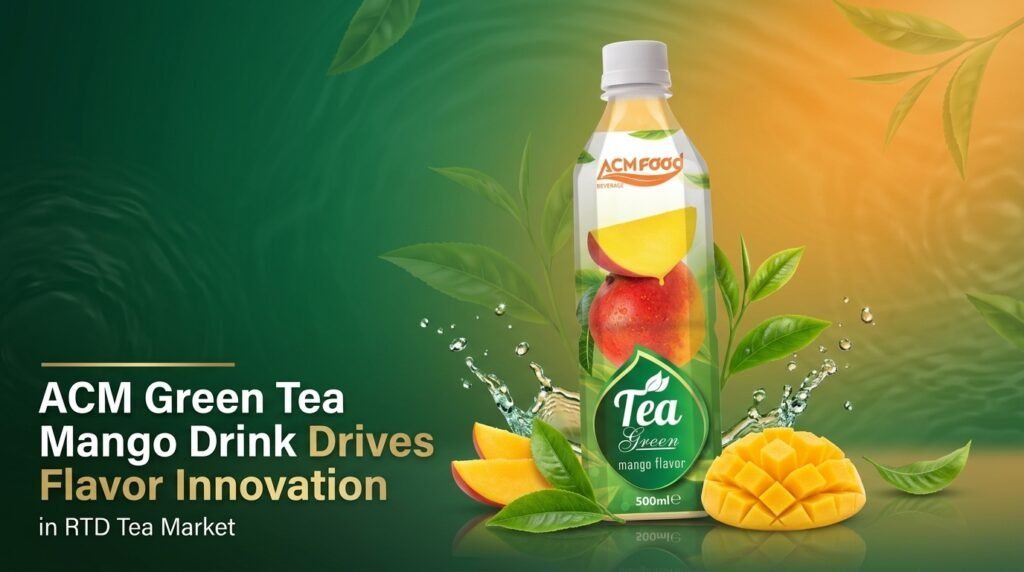
Flavor innovation is reshaping the ready-to-drink (RTD) tea category, and tropical fusions are leading the charge. The global shift toward adventurous, health-conscious beverages has created a fertile ground for products that combine familiar tea bases with exotic fruit notes. Among the most compelling examples is the 500ml ACM High Quality Green Tea with Mango Drink, a product that captures the convergence of tradition and modernity.
This trend is not merely about novelty; it reflects deep changes in consumer expectations. Manufacturers and distributors who understand these dynamics can position themselves at the forefront of a rapidly growing segment. The mango-green tea pairing exemplifies how careful formulation can satisfy both taste and wellness demands, creating a blueprint for future product development.
Contents
The Rise of Flavored RTD Teas
The RTD tea market has evolved far beyond simple sweetened black tea. Today, consumers seek complex flavor profiles that tell a story. Fruity infusions, floral notes, and herbal blends are now mainstream. According to recent market analysis, the global RTD tea segment is projected to exceed $70 billion by 2027, with fruit-flavored variants contributing a significant share. The introduction of high-quality green tea with mango is a strategic response to this demand.
Manufacturers are experimenting with authentic fruit purees, natural flavors, and functional ingredients. The mango component not only adds natural sweetness but also provides vitamins A and C. Meanwhile, green tea offers catechins and antioxidants. This dual-benefit approach appeals to buyers looking for beverages that support an active lifestyle. Distributors in North America and Europe are increasingly sourcing such products from Asian OEM partners renowned for their raw material expertise.
Consumer Preferences Shift Toward Tropical Flavors
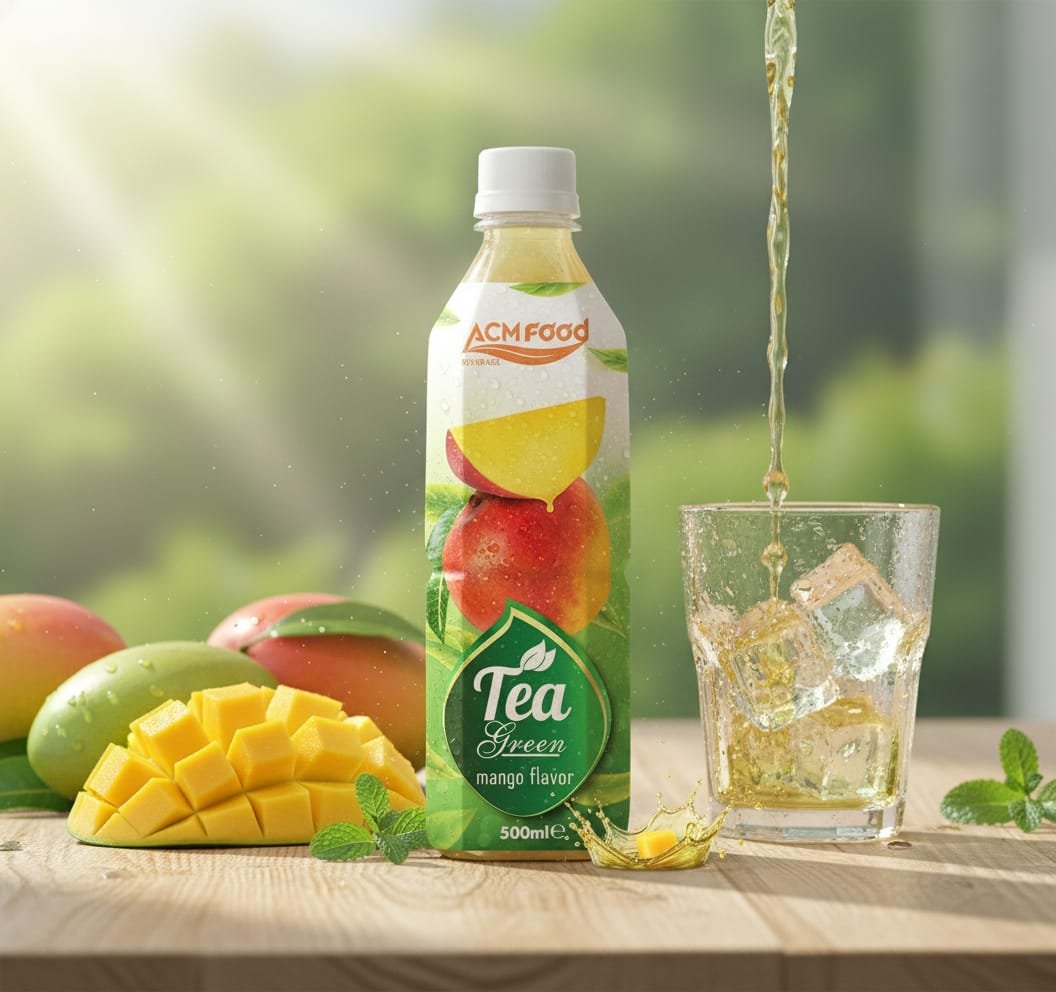
Tropical fruits like mango, passion fruit, and lychee have become extremely popular in Western markets. Mango, in particular, is the most consumed tropical fruit globally, and its juice is a familiar flavor. Blending mango with green tea creates a fusion that is both exotic and accessible. This flavor profile works well for young adults exploring global cuisines and for older demographics seeking a sweet but healthier alternative to soda. The 500ml PET bottle format offers convenience for on-the-go consumption, a key factor in category growth.
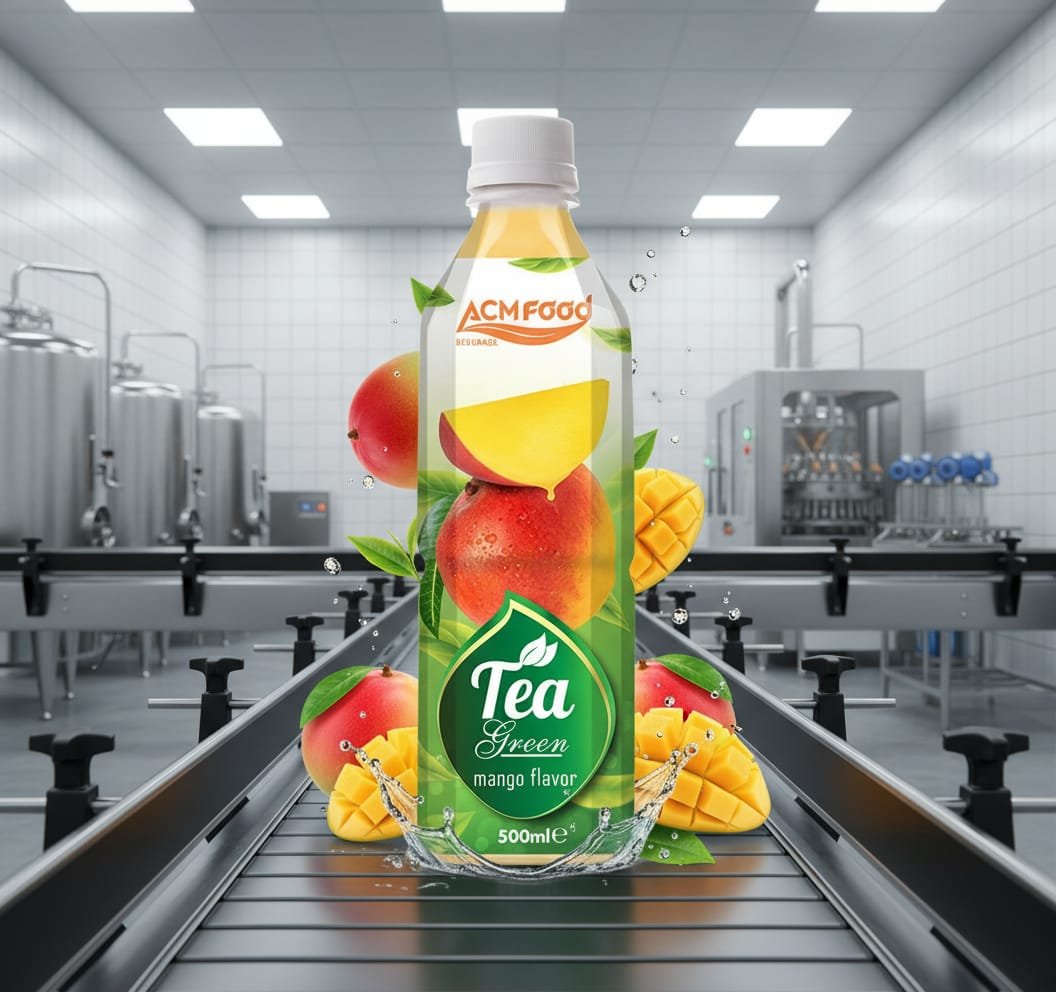
For illustrative purposes only
OEM Flexibility Fuels Flavor Innovation
Behind many successful RTD products lies a robust OEM partnership. Companies like BIDU Beverage, the producer of the ACM line, provide custom formulation, packaging, and labeling services that allow brand owners to launch differentiated products quickly. The ability to develop a unique mango-green tea blend with specific sweetness levels and organic certifications is a competitive advantage. OEM partners often offer low minimum order quantities (MOQs), reducing financial risk for startups and established brands entering new markets.
The fresh aloe vera juice category has similarly benefited from OEM collaboration, demonstrating how supply chain agility can accelerate market entry. For the mango-green tea product, the OEM model enables precise control over ingredient sourcing—mango puree from Southeast Asia, green tea leaves from Vietnam or China—ensuring consistent quality. Private label clients can also choose their own branding, from minimalist clean-label designs to vibrant tropical motifs, aligning with consumer expectations.
Custom Formulation and Scalability
OEM partners invest heavily in R&D to create stable, shelf-stable beverage emulsions. The mango-green tea combination requires careful balancing of acidity, sweetness, and pH to preserve color and flavor. Experienced manufacturers have the technical expertise to optimize these parameters. Furthermore, scalability is crucial: a formula developed for a test run of 500 liters must perform equally well in a 50,000-liter production batch. Reliable OEMs provide this consistency, making them invaluable for growth-oriented brands.
Health & Wellness Credentials Drive Adoption
Green tea is renowned for its antioxidant properties, and adding mango enhances the vitamin profile without overshadowing the tea’s natural notes. This product aligns with the clean-label movement—consumers increasingly read ingredient lists and reject artificial additives. The ACM green tea with mango contains no artificial colors or preservatives, a selling point for retailers and distributors targeting health-conscious shoppers.
Functional beverages with proven health benefits command premium pricing. Retailers can position this SKU as a smarter refreshment choice, competing against sugary juices and carbonated soft drinks. In markets like the Middle East and Europe, halal certification and non-GMO verification further improve market access. The broader tea drink category has expanded rapidly as consumers replace traditional soft drinks with these better-for-you alternatives.
Global Market Opportunities for OEM Partners
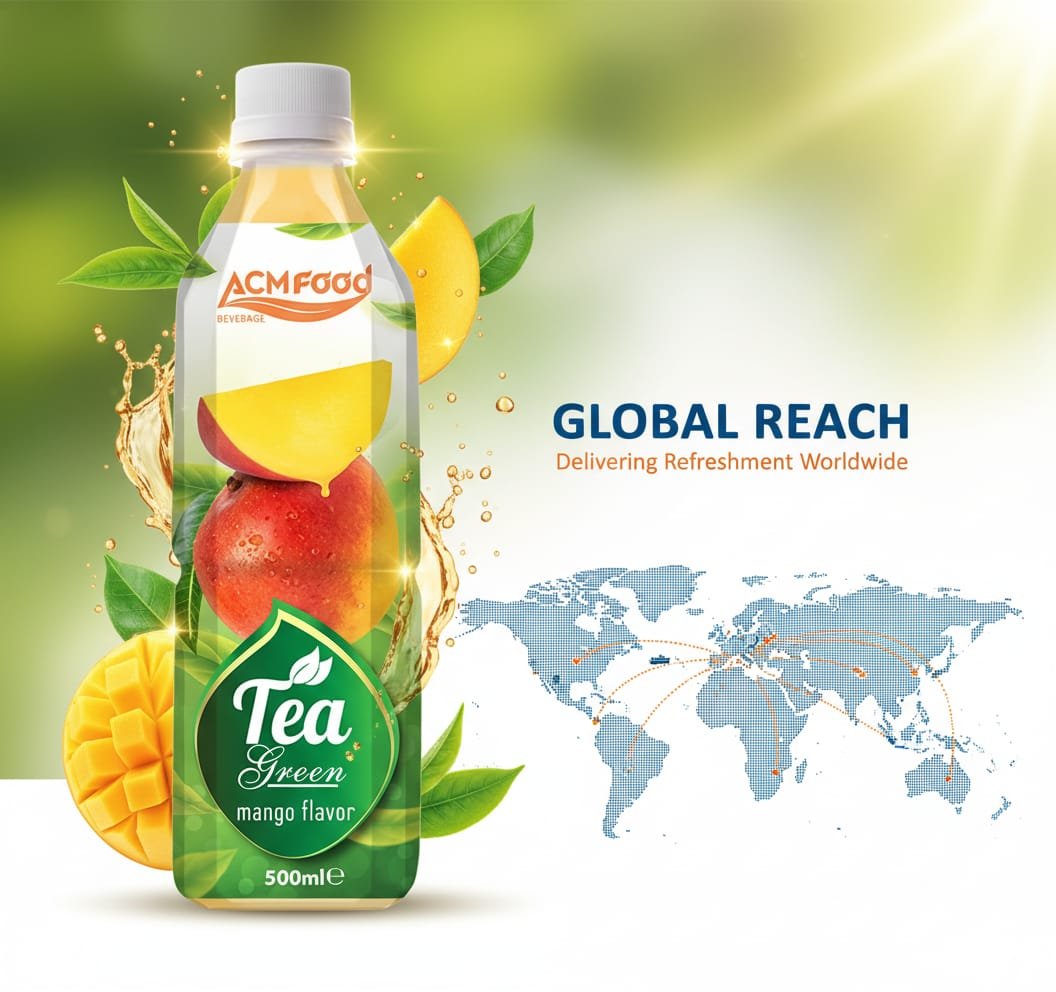
The US and EU remain the largest importers of RTD tea, but emerging markets in Southeast Asia, Africa, and Latin America are showing double-digit growth. Manufacturers with strong OEM networks can tap these regions by offering localized flavors. For the mango-green tea variant, slight sweetness adjustments can cater to local palates—a more tart version for the Japanese market or a sweeter profile for Middle Eastern consumers. Export logistics are streamlined when working with an established OEM that handles documentation, customs, and cold chain management.
Distributors looking to differentiate their portfolio should evaluate a manufacturing partner’s ability to low-MOQ production and rapid prototype development. The partnership between BIDU Beverage and its clients exemplifies how agile OEMs can help brands test multiple flavors before committing to large-scale runs. This strategic flexibility reduces time-to-market and allows for responsive inventory management. In the competitive RTD space, being first to market with a trending flavor like mango-green tea can secure shelf space and consumer loyalty.
Frequently Asked Questions
Q1: How does the mango-green tea combination benefit flavor innovation in RTD?
The mango adds natural sweetness and tropical aroma, while green tea provides a slight astringency that balances the profile. This fusion appeals to adventurous consumers and stands out in a crowded market.
Q2: What are the key health advantages of this beverage?
Green tea offers catechins and antioxidants; mango delivers vitamins A and C. The low sugar content (typically <6g per 100ml) makes it a functional alternative to sugary drinks.
Q3: How can OEM services help brands launch similar products?
OEM partners handle formulation, stability testing, packaging, and compliance. They offer flexible MOQs and private labeling, allowing brands to test the market with minimal risk.
Q4: What export markets are most promising for mango-green tea RTD?
North America and Western Europe lead demand, but the Middle East, Japan, and Southeast Asia are growing quickly. Halal certification and localized sweetness levels improve penetration.
Q5: Is the product suitable for private label distribution?
Yes. OEM manufacturers provide white-label solutions with custom branding. Retailers and wholesalers can create their own SKU based on this formulation, tapping into the clean-label trend.
Q6: How does packaging innovation support this product’s success?
The 500ml PET bottle is lightweight, shatterproof, and resealable. It meets convenience needs and can be customized with vibrant shrink sleeves that highlight the mango and green tea imagery.