


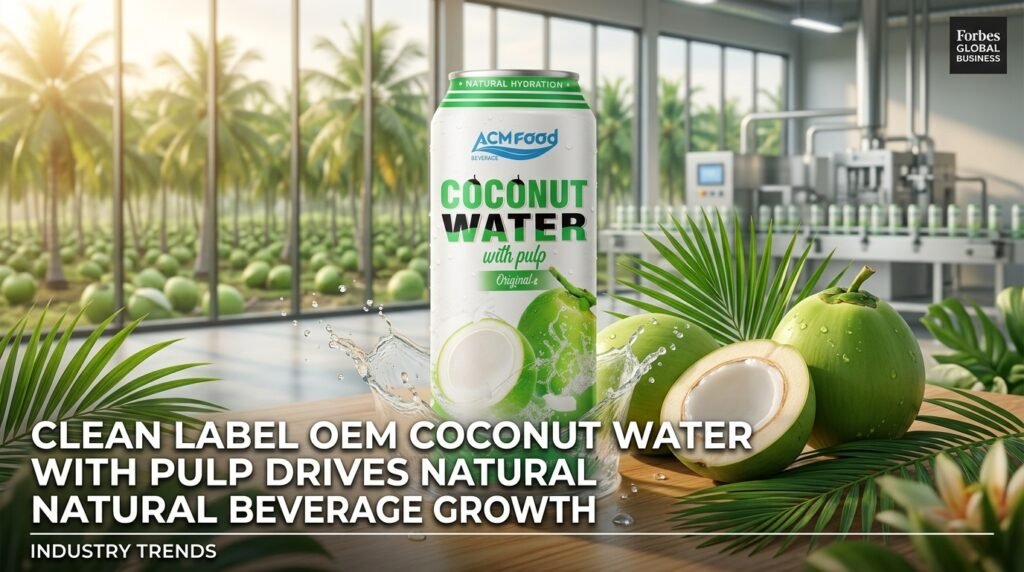
Clean label has become a defining force in the global beverage industry. Consumers increasingly demand products with simple, recognizable ingredients. This shift reshapes sourcing, manufacturing, and branding strategies across the sector.
For brands and distributors, understanding clean label is no longer optional. It is a strategic imperative that drives consumer trust and market share. OEM partners now play a critical role in delivering transparent, natural formulations at scale.
Contents
Clean Label Revolution in Beverages
The clean label movement prioritizes ingredient simplicity and transparency. Consumers scrutinize labels for artificial additives, preservatives, and unrecognizable compounds. This trend spans all beverage categories, from juice to functional drinks.
Data from industry reports show that over 60% of global consumers consider natural ingredients important. Beverages with fewer ingredients often command premium pricing. This creates a strong incentive for brands to reformulate and partner with reliable OEM suppliers.
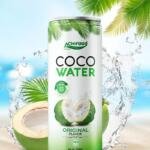
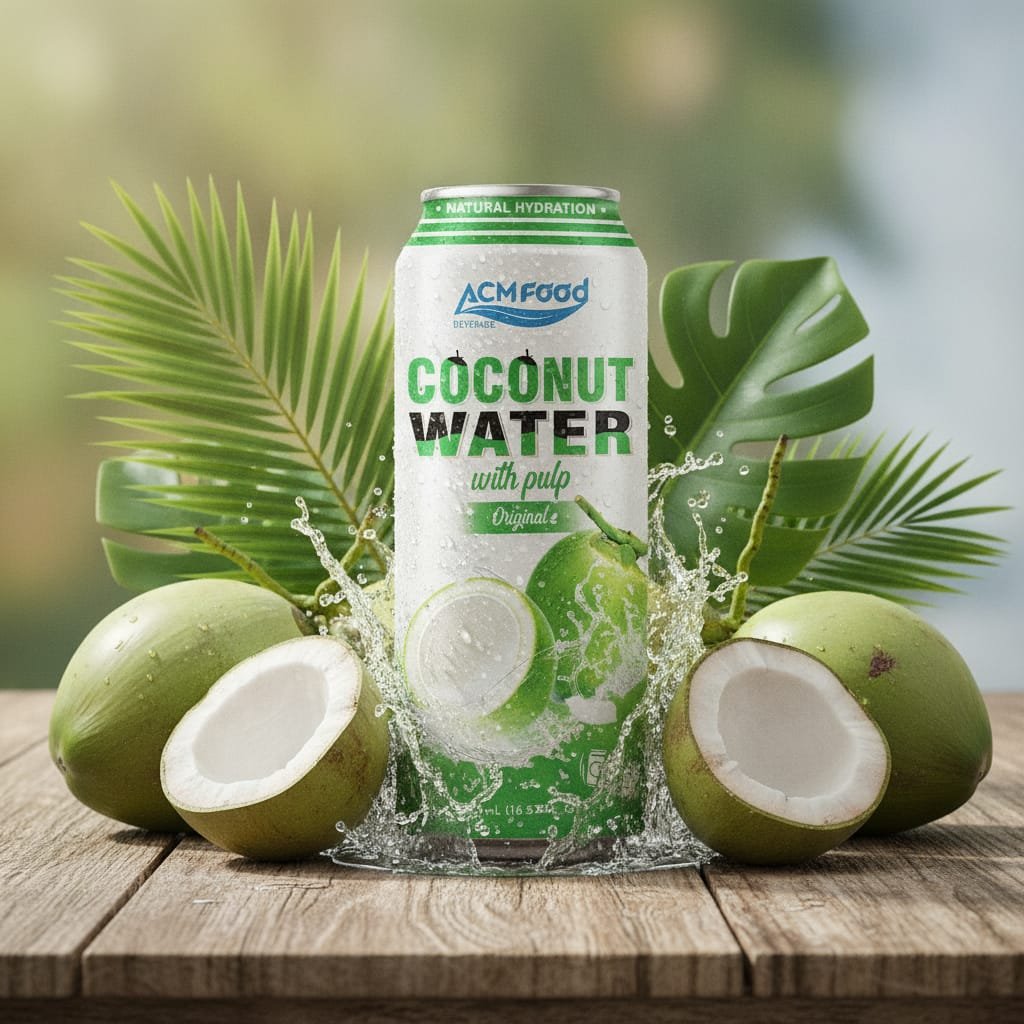
Original coconut water with pulp exemplifies clean label principles. Its ingredient list is short and natural. The addition of pulp enhances texture without synthetic thickeners.
Consumer Behavior and Label Reading
Modern shoppers often turn the package around before buying. They look for terms like ‘no added sugar’ and ‘natural flavor’. Coconut water naturally contains electrolytes and minimal sugar, aligning perfectly with these expectations.
Brands that invest in transparent labeling build long-term loyalty. OEM partners must ensure that every ingredient meets clean label standards. This requires careful sourcing and quality control.
Original Coconut Water with Pulp as a Clean Label Case Study
The product 500ml cans original coconut water with pulp offers a compelling example. It combines the established popularity of coconut water with the added value of natural pulp. This formulation delivers a premium sensory experience without artificial ingredients.
Coconut water itself is a hydration powerhouse. It contains potassium, magnesium, and natural sugars. The pulp provides dietary fiber and a satisfying mouthfeel. This combination appeals to health-conscious consumers seeking functional beverages.
The choice of 500ml can format is strategic. Cans offer product protection, light blocking, and recyclability. They align with sustainability goals, another pillar of clean label philosophy. ACM Beverage, the manufacturer behind this OEM product, operates modern facilities with certifications like FSSC 22000 and organic standards.
For international buyers, this product meets strict regulatory requirements. It is produced in a BSCI-certified factory, ensuring ethical manufacturing. Such credentials are essential for entry into markets like the US, EU, and Middle East.
Ingredient Transparency and Supply Chain
Traceability is a key component of clean label. ACM Beverage sources coconuts from trusted growers. The production process preserves natural nutrients and flavor.
OEM partners benefit from this transparent supply chain. They can confidently market the product as clean label. This builds trust with retailers and end consumers.
OEM Flexibility Meeting Clean Label Demands at Scale
The OEM business model is central to the clean label trend. It allows brands to leverage existing manufacturing expertise without heavy capital investment. ACM Beverage offers flexible MOQs and private label services.
Customization extends to packaging, labeling, and formulation. Brands can adjust sweetness levels, pulp content, or add complementary flavors. This agility is critical in a market where consumer preferences evolve rapidly.
ACM Beverage’s fresh coconut water category includes various formats. The 500ml can is one of many options. The company also produces milk drink varieties, demonstrating its breadth in tropical beverages.
For distributors entering the clean label space, partnering with an experienced OEM reduces time to market. ACM Beverage’s monthly export capacity exceeds 300 containers, ensuring reliable supply for large orders.
Certifications like Halal, Kosher, and USDA Organic further expand market reach. These credentials are often prerequisites for shelf placement in premium retail channels.
Private Label and Brand Differentiation
Private label brands can adopt clean label positioning with the right OEM partner. The original coconut water with pulp can be branded under multiple labels, each targeting different consumer segments.
ACM Beverage supports this with dedicated R&D and sample development. Brands can test formulations before committing to large volumes. This reduces risk and accelerates innovation.
From a strategic standpoint, investing in clean label OEM partnerships is a wise move. The trend shows no signs of slowing. Early adopters gain a competitive edge.
Market Opportunities for Distributors and Retailers
The global coconut water market is projected to grow at a CAGR of over 15% through 2030. The clean label segment will likely outpace conventional products. Distributors should prioritize sourcing clean label coconut water with natural texture.
Retailers are expanding their functional beverage sections. Products like original coconut water with pulp fit perfectly into hydration and wellness aisles. The 500ml can is convenient for on-the-go consumption.
For European importers, the product’s compliance with EU labeling regulations is a major advantage. ACM Beverage’s certifications simplify the import process.
Marketing campaigns can highlight the clean label attributes: ‘No artificial anything, just pure coconut water with pulp.’ This message resonates with modern shoppers.
Distributors evaluating new suppliers should consider production capacity, certification, and flexibility. A partner like ACM Beverage offers a proven track record in OEM and export logistics.
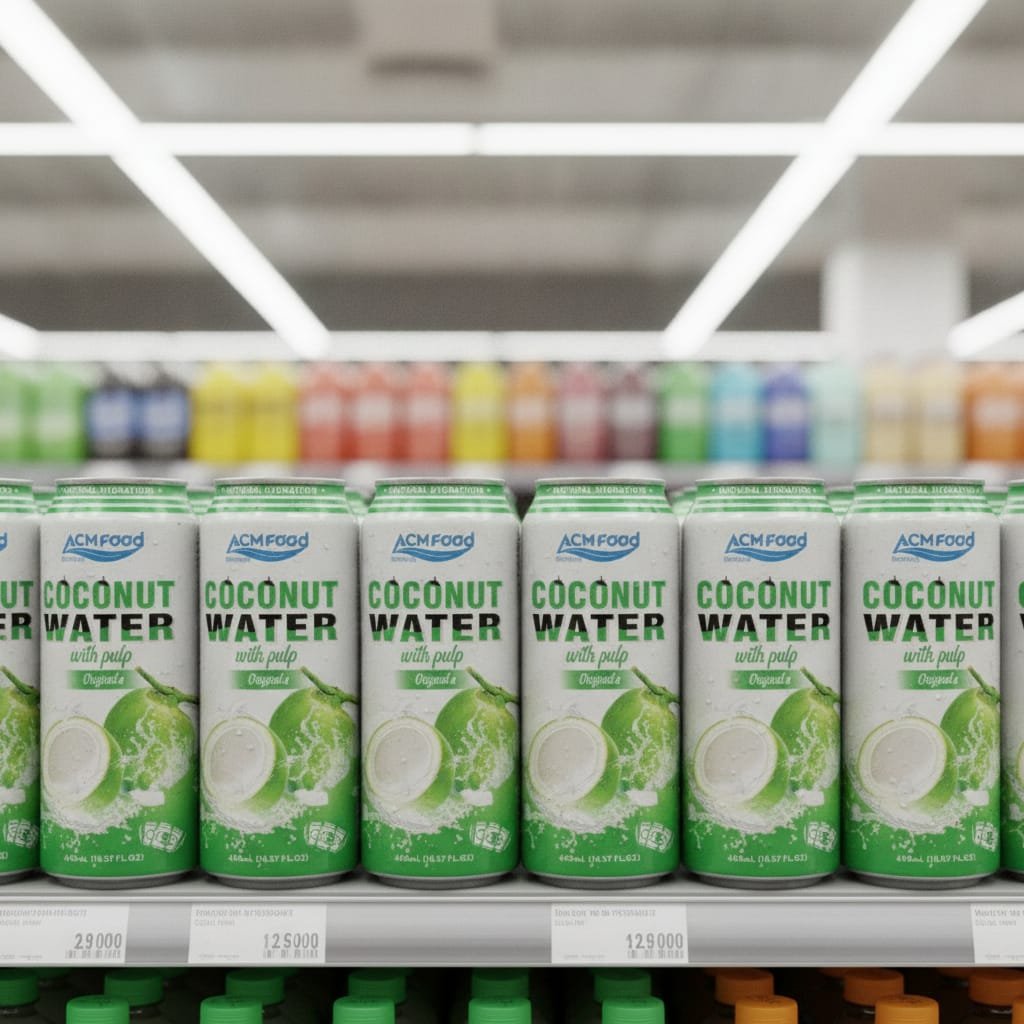
For illustrative purposes only
Future of Clean Label in Functional Beverages
The intersection of clean label and functional benefits will define the next decade. Coconut water with pulp is just one example. We will see more products combining natural ingredients with targeted health claims.
Innovations in packaging, such as sustainable cans and paper bottles, will complement clean label positioning. ACM Beverage’s portfolio includes multiple packaging formats, aligning with evolving sustainability expectations.
Brands that fail to embrace clean label risk losing relevance. The market is moving toward transparency and authenticity. OEM partners provide the infrastructure to make this transition smooth and cost-effective.
For investors and entrepreneurs, the clean label beverage space offers substantial opportunities. Partnering with capable manufacturers like ACM Beverage can shorten the path to market and ensure quality.
In conclusion, the clean label trend is not a fad but a fundamental shift. 500ml cans original coconut water with pulp represents a product well-positioned to capture this wave. OEM agility allows brands to adapt quickly and meet consumer demand effectively.
Frequently Asked Questions
What defines a clean label beverage?
Clean label beverages use simple, natural ingredients that consumers recognize. They avoid artificial additives, preservatives, and synthetic colors. Transparency in sourcing and processing is central.
Why is coconut water with pulp considered clean label?
Coconut water with pulp has minimal ingredients: coconut water, coconut pulp, and sometimes a small amount of sugar or citric acid. This simplicity aligns with clean label expectations.
How can OEM partnerships help brands enter the clean label market?
OEM manufacturers like ACM Beverage provide existing clean label formulations, certifications, and production capacity. Brands can private label these products without developing recipes from scratch.
What certifications should a clean label OEM supplier hold?
Key certifications include FSSC 22000, ISO, BSCI, Halal, Kosher, and organic standards (USDA, EU). These ensure food safety, ethical production, and market access.
What is the market outlook for clean label coconut water?
The global coconut water market is growing rapidly, with clean label variants leading the premium segment. Consumer demand for natural hydration drinks supports sustained growth.