

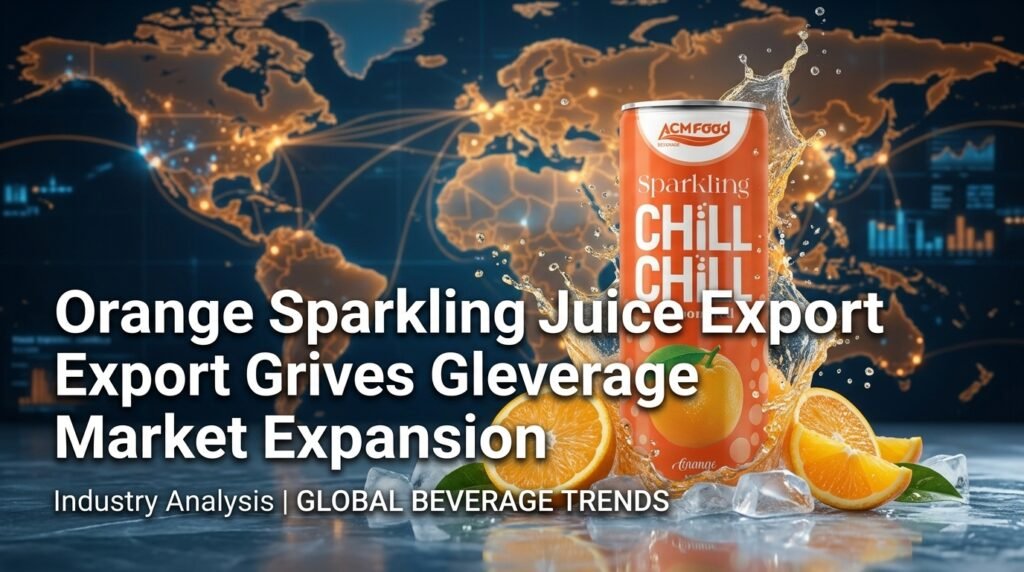
Global demand for sparkling beverages is shifting toward fruit-based alternatives that deliver both refreshment and perceived health benefits. Orange Sparkling Juice Export—packaged in convenient 250ml aluminum cans—is emerging as a strategic product for distributors aiming to capture this growing segment. For importers and brand owners, understanding the market dynamics, export logistics, and customization options is essential to capitalize on the trend.
As consumers increasingly reject artificial sodas, the clean-label appeal of carbonated fruit juice offers a powerful differentiator. This article explores how export-oriented products like the Orange Sparkling Juice from BIDU Beverage can unlock new revenue streams across North America, Europe, and the Middle East. We analyze market data, regulatory pathways, and packaging innovations that make this category a priority for B2B buyers.
Contents
- 1 Global Demand for Sparkling Juice Accelerates Export Opportunities
- 2 Why Exporters Are Betting on Orange Sparkling Juice
- 3 Strategic Advantages of Aluminum Can Packaging for Export
- 4 Export & Logistics: Unlocking Global Routes for Orange Sparkling Juice
- 5 Consumer Trends Driving the Orange Sparkling Juice Movement
- 6 How Distributors Can Capitalize on This Export Trend
- 7 Frequently Asked Questions about Orange Sparkling Juice Export
- 7.1 What certifications are required for importing sparkling juice into the EU?
- 7.2 How can I test the product before placing a large order?
- 7.3 What is the minimum order quantity for private label versions?
- 7.4 Is orange sparkling juice considered a juice or a soft drink for tariff purposes?
- 7.5 How does aluminum can packaging affect shipping costs compared to glass?
- 7.6 What flavor variations are available for private label development?
- 7.7 Can I get the product with no added sugar for health-focused markets?
- 8 Leveraging the Market Opportunity
Global Demand for Sparkling Juice Accelerates Export Opportunities
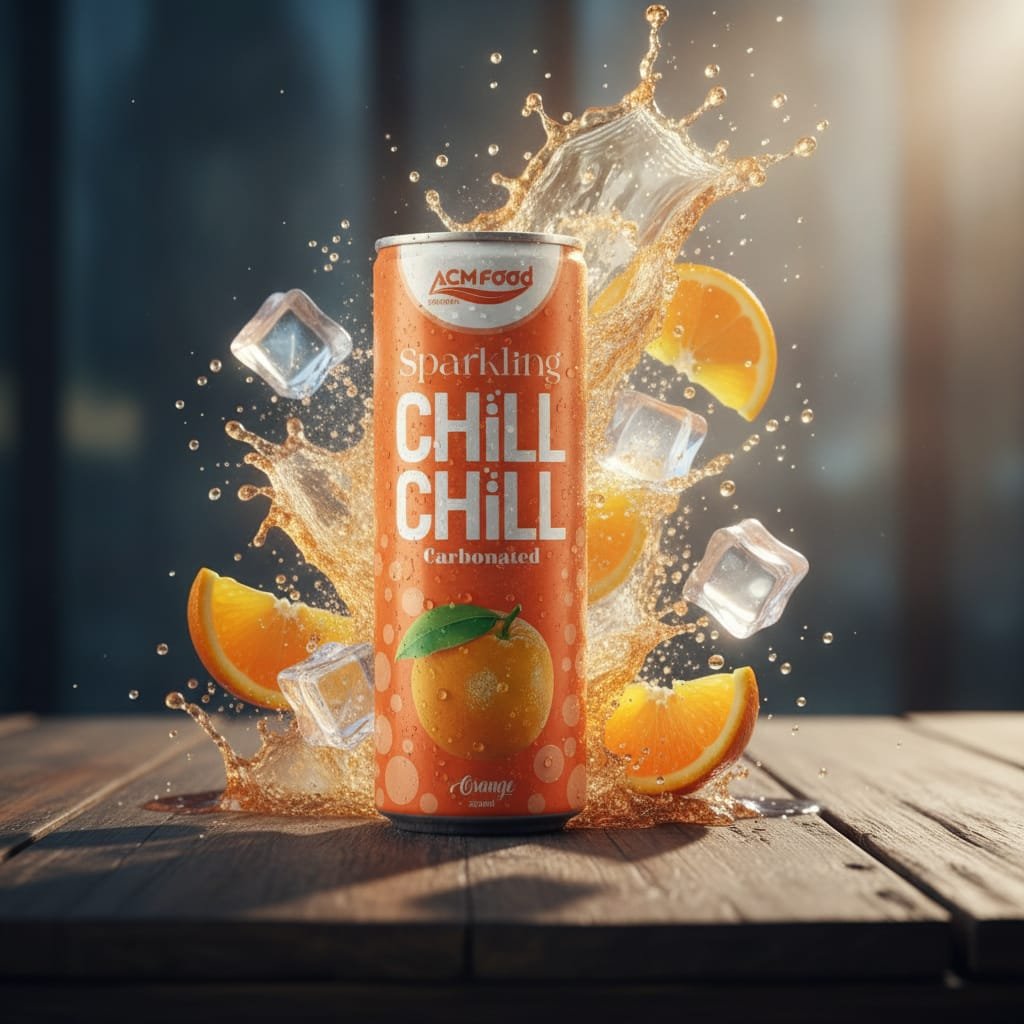
Orange Sparkling Juice Export is emerging as a key segment within the rapidly growing functional beverage market. Distributors worldwide are seeking innovative products that combine natural fruit flavor with carbonation, and this 250ml aluminum can format meets retail and convenience channel demands.
The global sparkling juice market is projected to reach $12.5 billion by 2028, driven by health-conscious consumers trading sugary sodas for fruit-based alternatives. Orange Sparkling Juice Export – 250ml Alu-can for Distributors positions itself as a premium entry point for importers looking to capture this trend.
Why Exporters Are Betting on Orange Sparkling Juice
Carbonated fruit juices offer a unique value proposition: the refreshment of soda with the nutritional profile of real juice. Orange, as the world’s most consumed fruit flavor, provides instant consumer recognition. Exporters can leverage this product to differentiate their portfolios in competitive markets like the US and EU.
The orange sparkling juice segment benefits from strong cross-category appeal, positioning it equally in soft drink aisles and juice sections. This dual channel access reduces retail risk for distributors.
Export Growth Statistics and Market Projections
According to industry reports, export volumes of sparkling non-alcoholic beverages from Southeast Asia grew 22% year-over-year in 2023. Vietnam, as a manufacturing hub, is capturing significant market share.
Products like fresh fruit juice categories are evolving with carbonation technology, creating new export SKUs. The lightweight 250ml aluminum can reduces shipping costs while maintaining product integrity.
Strategic Advantages of Aluminum Can Packaging for Export
Aluminum cans offer superior protection against light and oxygen, preserving orange flavor and effervescence during long transit. For exporters, this means fewer quality complaints and longer shelf life.
The can format also aligns with sustainability goals: aluminum is infinitely recyclable, a growing priority for European retailers. Sparkling water drink categories have proven the format’s acceptance, and now sparkling juice follows suit.
Export & Logistics: Unlocking Global Routes for Orange Sparkling Juice
Navigating international trade requires careful planning. ACM FOOD Co., Ltd., with its FSSC 22000 and HALAL certifications, ensures compliance with major market regulations. The factory in Cu Chi, Ho Chi Minh City, supports high-volume container shipments.
For distributors, the key is choosing a partner that offers flexibility in MOQ and labeling. The product’s private label capability allows brands to enter markets without heavy R&D investment. Export documentation, from phytosanitary certificates to customs clearance, must align with destination country requirements.
Logistics efficiency improves when products like Orange Sparkling Juice Export – 250ml Alu-can are packed in standardized container configurations: 24 cans per tray, 56 trays per pallet, fitting 20ft containers perfectly.
Consumer Trends Driving the Orange Sparkling Juice Movement
Millennials and Gen Z are seeking ‘better-for-you’ soft drinks that offer indulgence without guilt. Orange sparkling juice delivers natural sweetness from fruit, no artificial colors, and the familiar fizz of soda.
Health-conscious parents are also driving demand for kids’ lunchbox alternatives. The 250ml can is the perfect single-serve portion size, reducing waste and controlling sugar intake.
Retailers in the Middle East and Europe are expanding shelf space for clean-label sparkling juices. This opens a window for exporters who can guarantee Halal certification and organic compliance where needed.
How Distributors Can Capitalize on This Export Trend
First movers in each region stand to secure exclusive distribution agreements. The product’s OEM/ODM flexibility means private label buyers can customize sweetness levels, pulp content, and even blend with other tropical fruits.
Inventory planning should account for seasonal demand spikes in warmer months. The orange flavor has year-round appeal, but promotions tied to summer campaigns boost sell-through. Distributors should request samples to test local taste preferences before large commitments.
For strategic advice on market entry, evaluating the manufacturing partner’s export experience is critical. ACM FOOD has shipped over 300 containers monthly to 40+ countries.
Frequently Asked Questions about Orange Sparkling Juice Export
What certifications are required for importing sparkling juice into the EU?
EU importers typically require FSSC 22000 or equivalent food safety certification, plus compliance with juice directive 2012/12/EU. Halal certification may be needed for Middle Eastern markets.
How can I test the product before placing a large order?
Most OEM suppliers, including Orange Sparkling Juice Export – 250ml Alu-can, offer sample shipments with freight collect. Sampling allows you to evaluate flavor profile, carbonation level, and packaging durability.
What is the minimum order quantity for private label versions?
Typical MOQs for customized packaging range from 1x20ft container (approx. 24,000 cans). Blank label options with stickered branding may have lower minimums.
Is orange sparkling juice considered a juice or a soft drink for tariff purposes?
Classification depends on juice content percentage. Products with less than 50% juice may be classified as soft drinks with different duty rates. The ACM product contains real orange juice, so tariff code 2009.11 (orange juice) usually applies.
How does aluminum can packaging affect shipping costs compared to glass?
Aluminum cans are lighter, reducing freight costs by approximately 30% compared to glass. They also eliminate breakage risk, lowering insurance premiums.
What flavor variations are available for private label development?
Beyond orange, ACM offers lemon, grapefruit, mango, and mixed berry sparkling juices. Custom flavor development requires a minimum trial batch of 1,000 liters.
Can I get the product with no added sugar for health-focused markets?
Yes. A zero-sugar variant using stevia or monk fruit can be formulated. This requires regulatory approval for sweeteners in the target market.
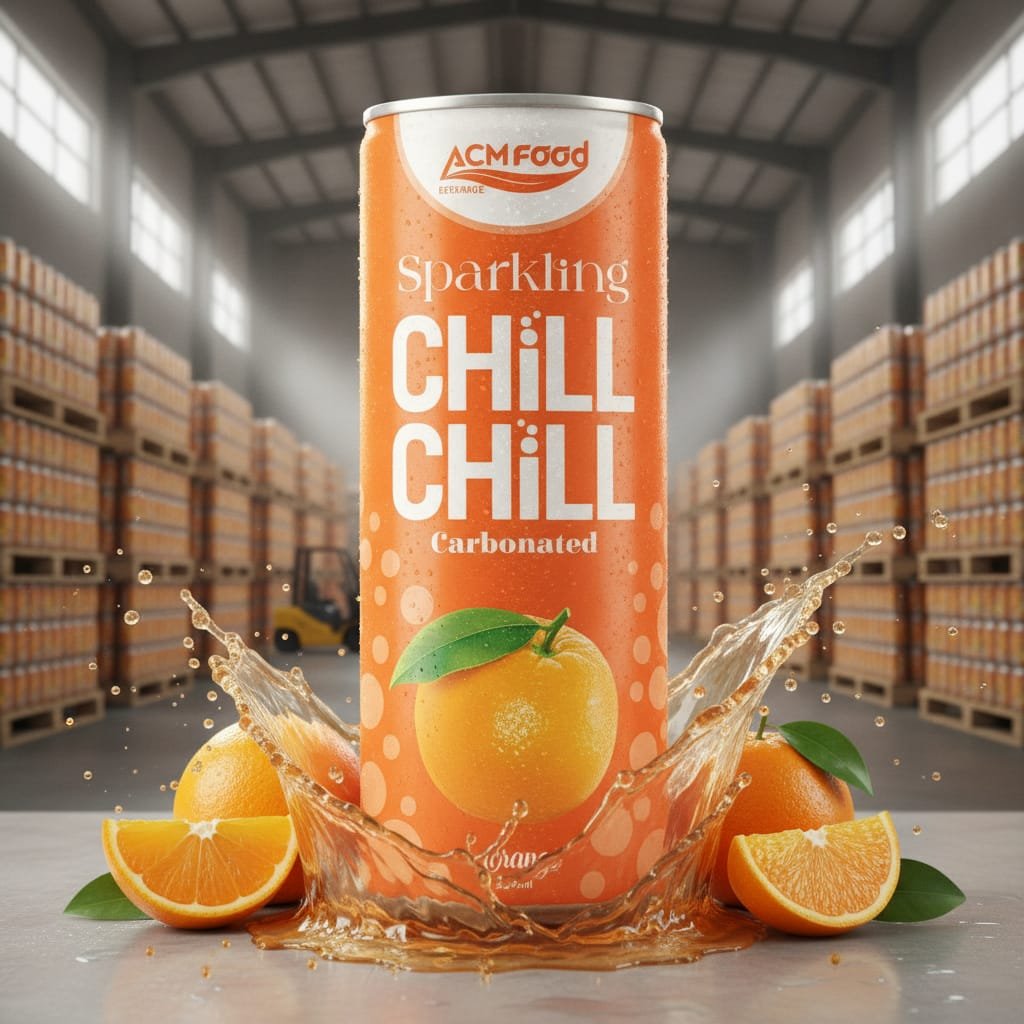
For illustrative purposes only
Leveraging the Market Opportunity
The global shift toward functional refreshment creates a perfect entry point for orange sparkling juice in export channels. Distributors who act early can build strong brand presence before competitors flood the market.
Partnering with a certified manufacturer like BIDU Beverage ensures quality consistency from batch to batch. With production capacity exceeding 300 containers per month, supply chain reliability is assured.
For comprehensive product specifications, pricing, and logistics quotes, contact ACM FOOD’s export team directly. The next shipment window opens Q2 2025.
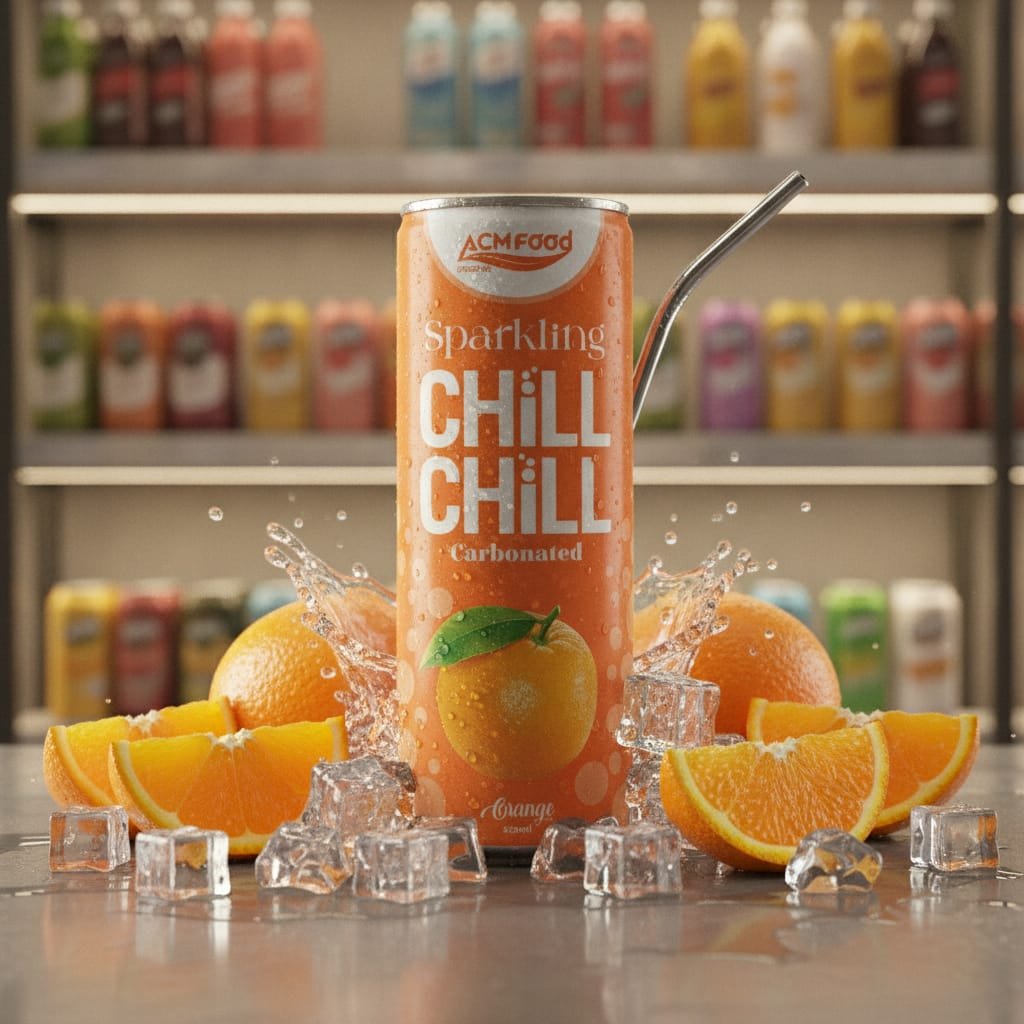
Final Thoughts on Sparkling Juice Globalization
Orange Sparkling Juice Export represents more than a single SKU; it’s a gateway into the burgeoning better-for-you carbonated category. As consumer preferences evolve, this product format will become a staple across continents.
Investing in product differentiation through sparkling juice allows distributors to build a competitive edge in a crowded beverage landscape.