


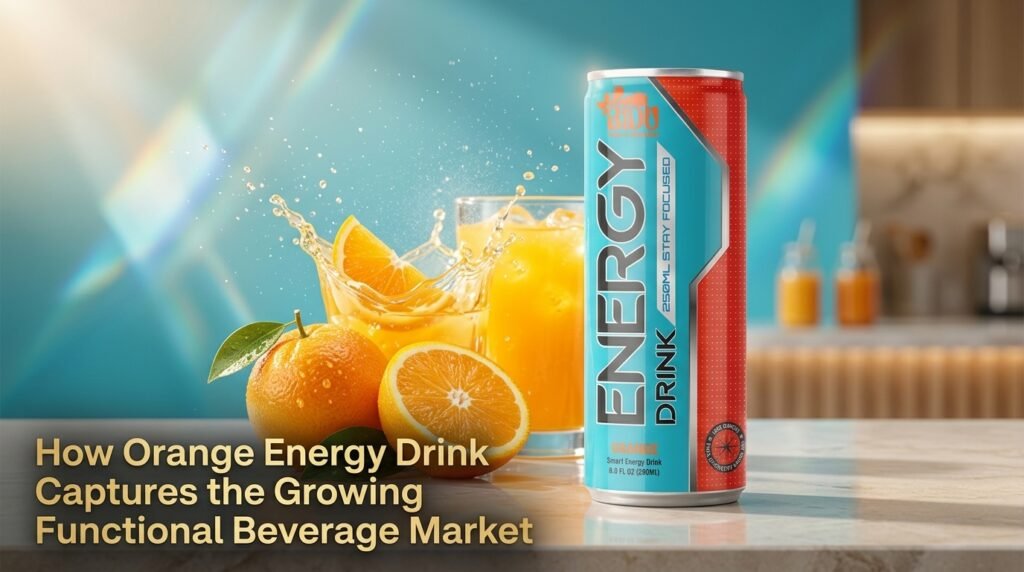
The global energy drink market is undergoing a structural transformation as consumers increasingly demand beverages that deliver both performance and taste. Functional energy drinks have moved beyond the gym locker room into mainstream daily consumption, with the sector expected to surpass $86 billion by 2027. This surge creates a strategic window for distributors and importers to secure reliable supply chains and innovative product formats.
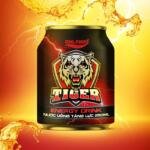
For wholesale buyers evaluating new SKUs, the Orange Energy Drink Wholesale in 250ml aluminum cans represents a calculated entry into a high-growth category. Combining the proven appeal of orange flavor with the functional benefits typical of premium energy drinks, this product offers both immediate consumer acceptance and the scalability that B2B partners require for long-term success.
Contents
- 1 The Rising Demand for Functional Energy Drinks
- 2 BIDU Orange Energy Drink: Functional Benefits in a Convenient Format
- 3 OEM/ODM Flexibility: A Key Advantage for B2B Partners
- 4 Navigating the Global Distribution Landscape
- 5 Frequently Asked Questions
- 5.1 1. What functional benefits does the orange energy drink provide compared to traditional energy drinks?
- 5.2 2. Can I private label this product for my own brand?
- 5.3 3. What certifications does the product have for international market entry?
- 5.4 4. How does the 250ml aluminum can impact shipping costs and shelf life?
- 5.5 5. What are the key trends driving energy drink consumption in emerging markets?
The Rising Demand for Functional Energy Drinks
The functional beverage landscape is increasingly shaped by the intersection of convenience and health. Energy drinks, once associated primarily with extreme sports and late-night work sessions, now appeal to a broad demographic seeking sustained mental alertness and physical endurance. According to industry reports, the Asia-Pacific region leads consumption growth, with Vietnam emerging as a key manufacturing hub for OEM exporters.
This shift is driven by evolving consumer behavior. Professionals in logistics, technology, and retail rely on functional drinks to maintain focus during long shifts. Simultaneously, younger demographics prioritize ingredients transparency and natural flavors. Orange energy drinks, with their familiar taste profile, bridge the gap between novelty and comfort, making them a safe bet for distributors entering new markets.
The energy drink options from ACMFOOD illustrate how manufacturers are adapting to these trends. By offering a 250ml can format, ACMFOOD optimizes portion control and portability—critical factors for convenience stores and on-the-go consumption. The slim can design also reduces shelf space requirements, a subtle but valuable advantage for retailers with limited real estate.
BIDU Orange Energy Drink: Functional Benefits in a Convenient Format
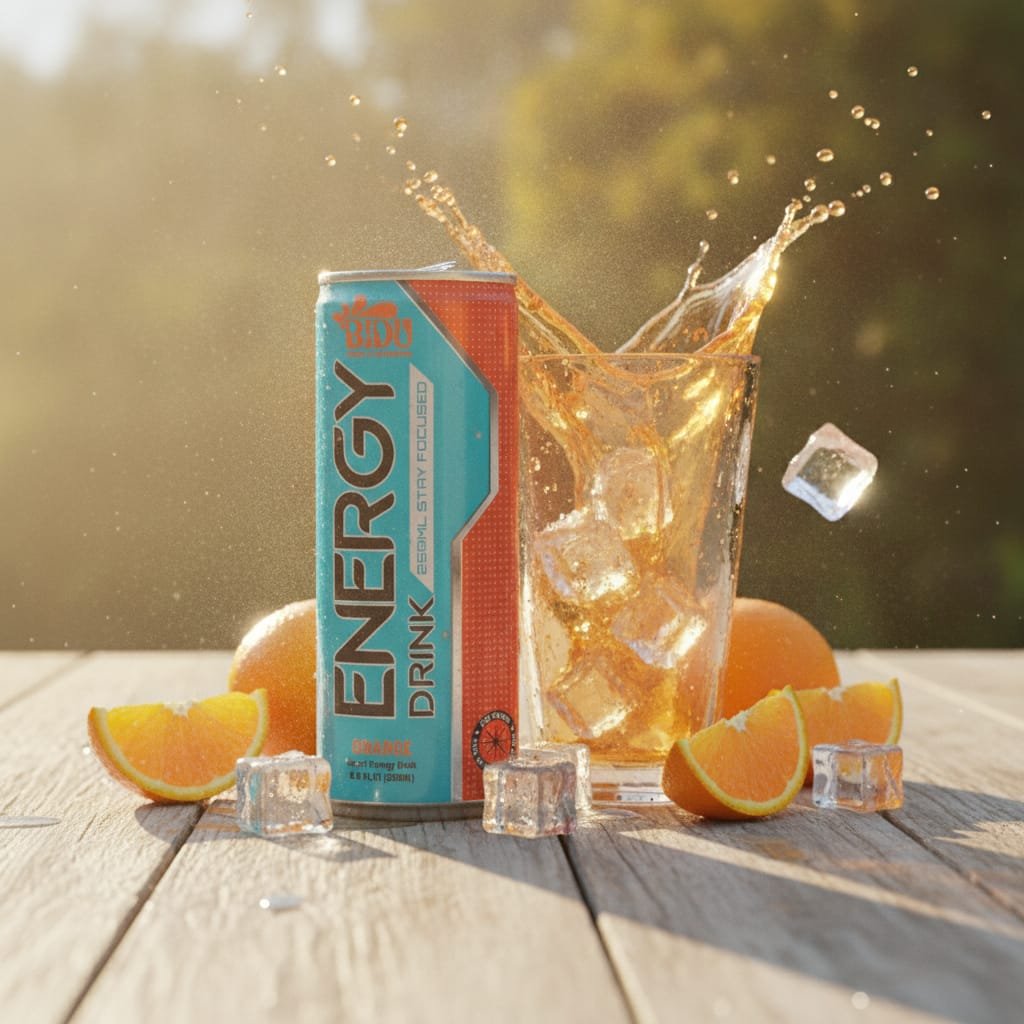
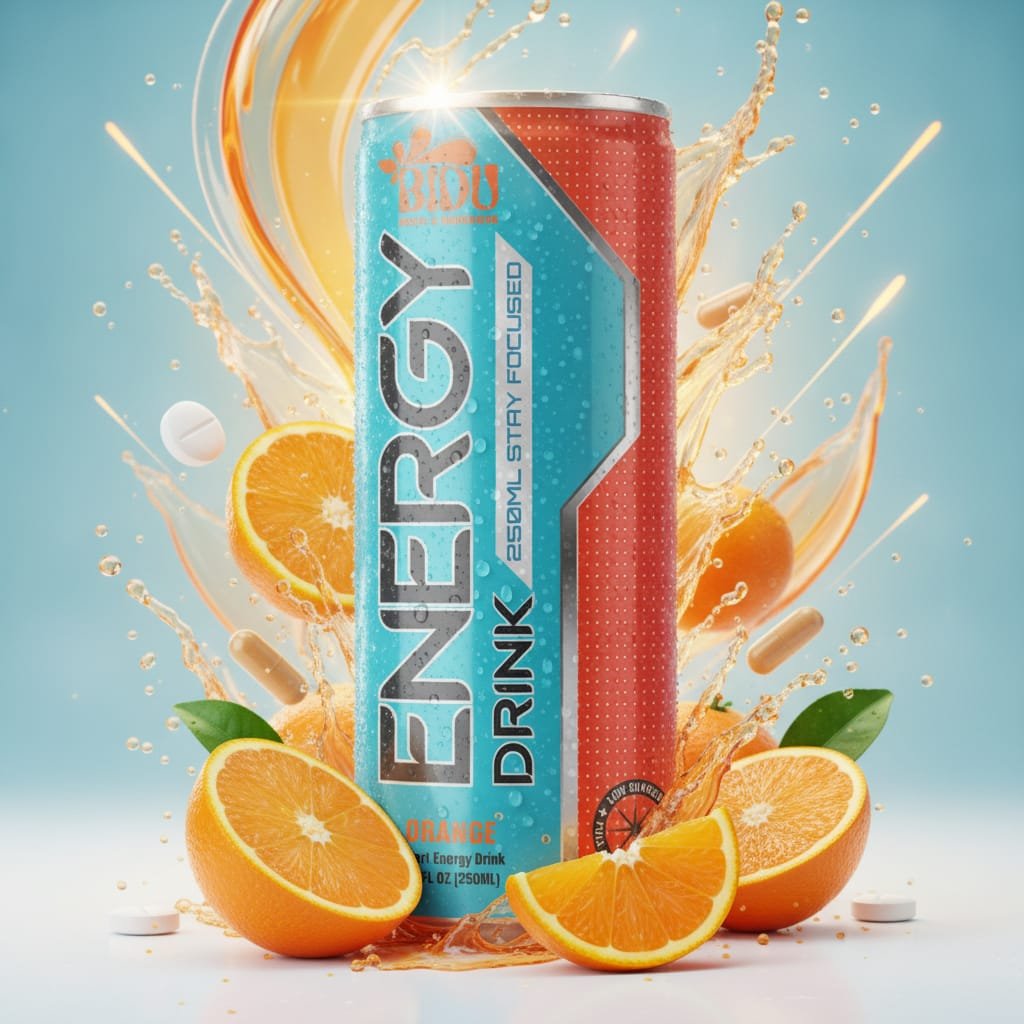
The 250ml cans energy drink orange flavour from BIDU is formulated to deliver a synergistic blend of caffeine, B vitamins, and taurine. Each can provides approximately 80mg of caffeine, equivalent to a standard cup of coffee, paired with B3, B5, B6, and B12 to support energy metabolism. The addition of taurine, an amino acid known for its role in muscle function and mental performance, enhances the drink’s functional profile.
What sets this product apart in the crowded energy drink segment is the authentic orange flavor. Unlike many competitors that rely on artificial citrus notes, BIDU uses a balanced formulation that avoids the medicinal aftertaste common in mass-market alternatives. This attention to flavor quality is critical for repeat purchases in competitive retail environments.
The 250ml aluminum can is another strategic advantage. Aluminum offers superior protection against light and oxygen, preserving the integrity of the ingredients over extended shelf life. It is also infinitely recyclable, aligning with growing global mandates for sustainable packaging. For distributors targeting environmentally conscious markets, this is a non-negotiable feature.
OEM/ODM Flexibility: A Key Advantage for B2B Partners
For importers and private label brands, the ability to customize a product is often the deciding factor in supplier selection. ACMFOOD and its BIDU brand offer comprehensive OEM/ODM services that cover everything from flavor adjustments to label design. This flexibility allows distributors to differentiate their portfolios without investing in costly R&D infrastructure.
Minimum order quantities (MOQs) are structured to accommodate both emerging brands and established players. A distributor testing a new market can start with smaller volumes to validate demand, then scale up as sales grow. This risk-mitigation approach is particularly valuable in the volatile energy drink category, where flavor trends can shift rapidly.
Beyond formulation, ACMFOOD provides end-to-end support in packaging customization. The 250ml can be printed with bespoke graphics, and the producer holds certifications including FSSC 22000, ISO, HALAL, and KOSHER. These credentials open doors to markets across the Middle East, Europe, and North America, where regulatory compliance is a prerequisite for entry.
As one industry analyst noted, successful distributors increasingly view their manufacturing partners not as vendors but as co-innovators. The energy drink category offered by BIDU exemplifies this partnership model, where agility in production supports rapid response to consumer demand.
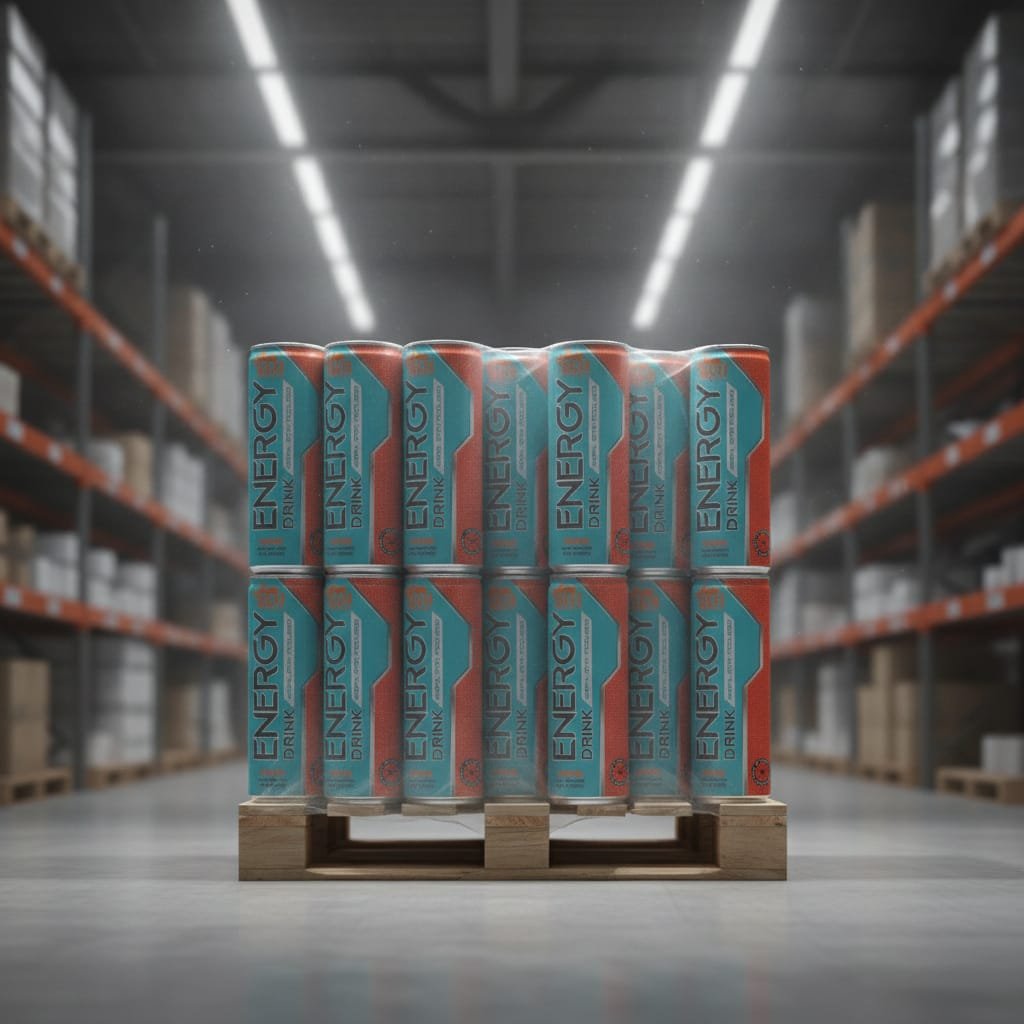
Export-oriented beverage manufacturing requires a robust logistics network. ACMFOOD operates from a factory in Cu Chi, Ho Chi Minh City, with monthly capacity exceeding 300 containers. This scale ensures consistent supply even during peak seasons, a critical concern for distributors in the Middle East where energy drink consumption spikes during Ramadan and summer months.
Shipping from Vietnam offers cost advantages due to established trade routes to major ports in the US, EU, and Asia. The 250ml can’s lightweight profile reduces freight costs per unit, improving margin flexibility for distributors. Additionally, the company’s experience in navigating complex customs documentation—including certificates of origin and halal certification—reduces delays at borders.
Distributors should also consider the strategic timing of order placements. Given the typical 30-45 day lead time for OEM production and shipping, aligning inventory with local marketing campaigns can maximize sell-through rates. The orange flavor, for instance, resonates strongly in markets with tropical climate perceptions, such as Southeast Asia, Africa, and parts of Latin America.
A targeted approach to market selection is essential. Rather than spreading resources thin across multiple regions, focusing on one or two high-potential markets allows distributors to build brand recognition efficiently. The functional energy drink segment offers margin premiums of 15-25% compared to standard soft drinks, making it an attractive category for retail partners looking to boost profitability.
For illustrative purposes only
Frequently Asked Questions
1. What functional benefits does the orange energy drink provide compared to traditional energy drinks?
This orange energy drink delivers a balanced combination of caffeine, B vitamins, and taurine to enhance mental focus and physical endurance. The natural orange flavor improves palatability, encouraging regular consumption without flavor fatigue.
2. Can I private label this product for my own brand?
Yes, ACMFOOD offers full OEM/ODM services for the 250ml can format. You can customize the flavor profile, sweetness level, and label design. Minimum order quantities are flexible to support both pilot runs and large-scale distribution.
3. What certifications does the product have for international market entry?
The product is manufactured under FSSC 22000, ISO, HALAL, and KOSHER standards. These certifications facilitate entry into markets across the Middle East, Europe, and North America. Additional documentation for specific countries can be provided upon request.
4. How does the 250ml aluminum can impact shipping costs and shelf life?
The lightweight aluminum can reduces freight costs per unit compared to glass bottles. It offers a shelf life of up to 12 months when stored properly. The can’s barrier properties protect against light and oxygen, maintaining ingredient potency.
5. What are the key trends driving energy drink consumption in emerging markets?
Urbanization, rising disposable incomes, and a growing culture of on-the-go consumption are primary drivers. Functional beverages are increasingly viewed as affordable alternatives to coffee in developing economies. Orange flavor remains a universal favorite, simplifying marketing strategies for distributors.